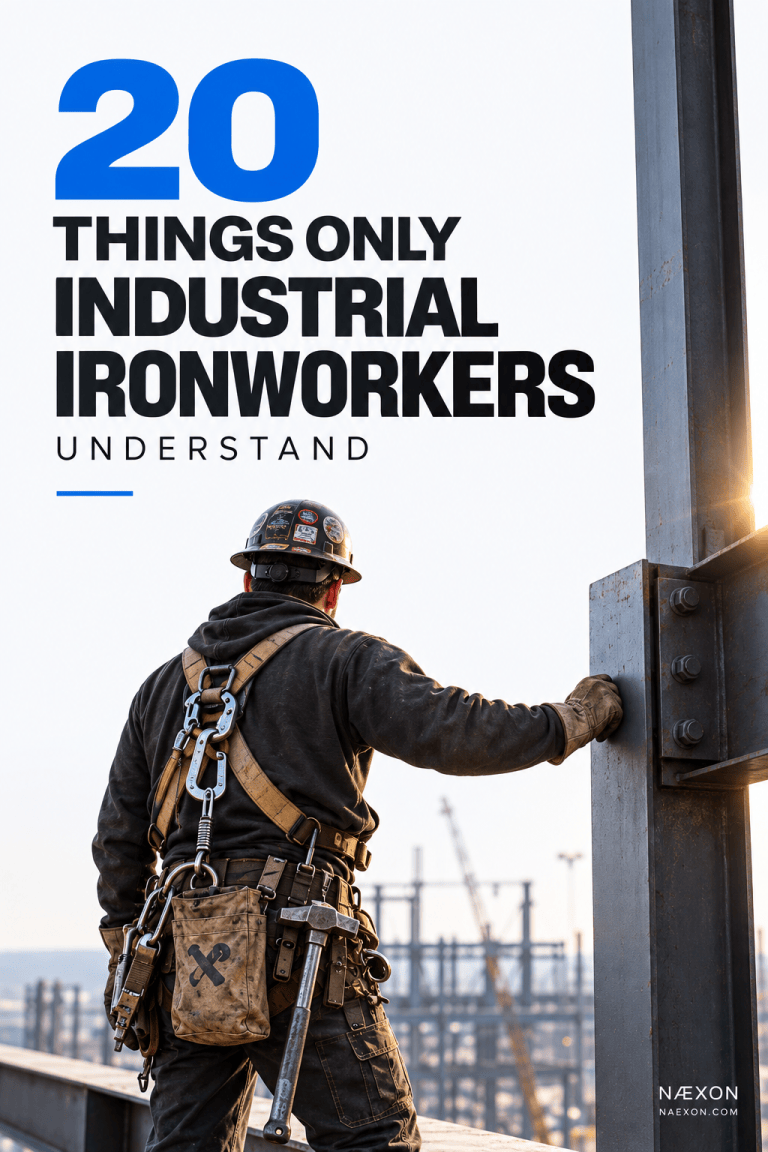
For decades, flame-resistant clothing was viewed primarily as a mandatory requirement. Workers wore whatever was issued, often accepting stiff fabrics, limited mobility, inconsistent fit, and uncomfortable garments simply because they met workplace requirements. The expectation was straightforward: as long as the clothing complied with company policy, it had done its job.
That mindset is changing.
Across refineries, petrochemical facilities, drilling operations, pipeline projects, compressor stations, fabrication shops, and industrial construction sites throughout North America, today’s workforce expects significantly more from the clothing they wear every day. Modern tradesmen are investing in equipment that improves both safety and performance, and workwear has become part of that investment.
Just as professionals carefully choose their boots, hard hats, gloves, safety glasses, and tools, many now place the same importance on selecting high-quality flame-resistant apparel. They understand that the right clothing can improve comfort during long shifts, withstand demanding conditions, maintain a professional appearance, and provide dependable performance day after day.
The oil and gas industry presents some of the most physically demanding working environments in the world. Workers routinely perform maintenance on high-pressure piping systems, fabricate structural steel, weld process equipment, install pipelines, maintain rotating machinery, operate heavy equipment, and inspect critical infrastructure. These jobs often involve twelve-hour shifts, changing weather conditions, confined spaces, elevated work, and exposure to heat, dirt, grease, moisture, and abrasive surfaces.
In these conditions, workwear becomes more than simply another piece of personal protective equipment. It becomes equipment that workers rely on throughout every shift.
Comfort has become one of the biggest reasons professionals choose premium FR clothing. Anyone who has worked through a refinery turnaround in midsummer understands how physically exhausting industrial work can become. Heat, humidity, protective equipment, climbing, lifting, and constant movement all place tremendous demands on the body. Clothing that traps heat, restricts movement, or becomes uncomfortable after several hours contributes to fatigue.
Modern premium flame-resistant garments are designed with these realities in mind. Improvements in fabric technology have made many FR garments lighter, softer, and more breathable than previous generations while still meeting applicable performance requirements. Better moisture management, improved flexibility, and enhanced mobility allow workers to focus on their tasks instead of constantly adjusting uncomfortable clothing.
Fit is another area where expectations have changed dramatically.
Industrial workers no longer want oversized, box-shaped garments that interfere with movement or look unprofessional. Today’s workforce expects workwear that fits properly without sacrificing function. Properly designed FR shirts allow pipefitters to reach overhead while installing piping, welders to move comfortably around fabrication tables, operators to climb ladders safely, and maintenance mechanics to work in tight mechanical spaces without unnecessary restriction.
Professional appearance has also become increasingly important. Contractors, refinery owners, and industrial employers recognize that employees represent their companies every time they enter a facility. Clean, modern workwear projects professionalism while reinforcing pride in craftsmanship. Workers appreciate clothing that performs on the jobsite while looking sharp during safety meetings, customer visits, or training sessions.
Durability remains one of the defining characteristics of premium workwear. Industrial environments expose clothing to constant abuse. Pipe racks, steel structures, welding sparks, tools, equipment, concrete surfaces, repeated laundering, oils, grease, and daily wear quickly reveal the difference between ordinary garments and thoughtfully engineered workwear.
High-quality stitching, reinforced seams, durable closures, abrasion-resistant construction, and carefully selected materials all contribute to garments that remain dependable throughout demanding working conditions. Rather than replacing shirts frequently because of premature wear, many professionals prefer investing in apparel built to last.
Another reason premium FR clothing has become more popular is the changing culture within the skilled trades. Younger generations entering the workforce increasingly value products that combine functionality with quality design. They take pride in their profession and expect their equipment to reflect that same level of professionalism.
This shift mirrors what has already happened with work boots. Years ago, many workers simply purchased whichever boots met basic safety requirements. Today, experienced tradesmen research construction methods, comfort technologies, sole designs, durability, and materials before making a purchase. Flame-resistant clothing is following a similar path.
Safety, however, remains the foundation of every purchasing decision.
No amount of comfort or style matters if protective clothing is not appropriate for the hazards present in the workplace. Employers continue to perform hazard assessments, establish PPE requirements, and specify the standards necessary for different job functions. Workers should always ensure that the garments they wear are suitable for the tasks they perform and follow both employer requirements and manufacturer guidance.
At Næxon, we believe premium workwear should never force workers to choose between protection, durability, comfort, and appearance. Industrial professionals deserve clothing designed around the realities of modern job sites, not around outdated assumptions about what workwear should be.
Every design begins with understanding the people who wear it. Welders, pipefitters, ironworkers, millwrights, refinery operators, electricians, boilermakers, mechanics, scaffold builders, and pipeline crews all perform physically demanding work that requires dependable equipment. Their clothing should support the way they move, withstand the environments they work in, and reflect the pride they take in their trade.
This philosophy extends beyond the garment itself. Quality workwear contributes to confidence. When workers trust the equipment they wear, they can devote more attention to craftsmanship, teamwork, communication, and completing each task safely and efficiently.
The growth of premium workwear also reflects the changing expectations of industrial employers. Companies increasingly recognize that investing in higher-quality protective apparel can contribute to worker satisfaction, improved morale, and a more professional appearance across the jobsite. While productivity depends on many factors, providing comfortable and durable PPE can help reduce distractions caused by poorly fitting or worn-out clothing.
Workers who spend weeks on shutdowns, outages, and turnarounds understand how quickly low-quality garments begin to show their age. Seams weaken, colors fade, fabrics lose their shape, and constant washing takes its toll. Premium workwear is designed to withstand repeated laundering and demanding environments while maintaining a professional appearance for longer.
Another trend influencing the industry is the increasing number of owner-operators and independent contractors purchasing their own PPE. Rather than relying solely on employer-issued clothing, many experienced tradespeople choose to invest in workwear that better fits their preferences and work style. They view quality FR clothing in the same way they view professional-grade hand tools—an investment in their trade.
Modern industrial workers also appreciate clothing that transitions naturally beyond the jobsite. A clean, well-designed FR shirt can be worn during travel, training sessions, company meetings, or after work without looking out of place. This versatility has become an important part of contemporary workwear design, blending function with a professional appearance.
At Næxon, this philosophy shapes every product we create. Our goal is not simply to manufacture workwear but to support the professionals who build, maintain, and operate the industries that keep America moving. Every detail, from stitching and fabric selection to fit and overall design, is considered with the realities of industrial work in mind.
The future of flame-resistant clothing will continue to evolve. Advances in textile engineering are producing lighter fabrics, improved moisture management, enhanced durability, and greater flexibility while maintaining the protective characteristics required for hazardous work environments. Sustainability is also becoming a growing consideration, with manufacturers exploring materials and production methods that reduce environmental impact without compromising performance.
Technology may change, but one principle remains constant: the people wearing the clothing come first. Behind every refinery, pipeline, drilling rig, fabrication shop, and processing facility are skilled professionals whose expertise keeps critical infrastructure operating safely and efficiently. They deserve workwear that reflects the same commitment to quality they bring to every shift.
Whether you are beginning your career in the oil and gas industry or have decades of experience, selecting high-quality flame-resistant clothing is an investment in comfort, durability, professionalism, and preparedness. The right garment cannot replace training, hazard assessments, or safe work practices, but it can become an important part of a comprehensive approach to workplace safety.
As the industry continues to raise expectations for both safety and performance, premium FR workwear is no longer viewed as a luxury. For many professionals, it has become the new standard.
At Næxon, we are proud to build workwear inspired by the people who keep refineries operating, pipelines flowing, fabrication shops producing, and industrial projects moving forward every day.
Because the toughest jobs deserve equipment built with purpose.
Built to Work. Engineered to Perform.