America’s infrastructure is built by skilled tradesmen who work in some of the harshest environments imaginable. Every refinery, bridge, power plant, pipeline, manufacturing facility, and commercial building depends on professionals who show up every day ready to work regardless of weather, heat, dirt, or physical demands.
Whether you’re striking an arc in a fabrication shop, bolting pipe together during a refinery turnaround, walking steel hundreds of feet above the ground, or pulling wire through a commercial building, your clothing becomes part of your equipment. Just like your hard hat, gloves, safety glasses, and boots, your workwear directly affects both safety and performance.
Unfortunately, many workers still purchase clothing based solely on price. While inexpensive work shirts may save money initially, they often wear out quickly, become uncomfortable during long shifts, restrict movement, and fail to perform when conditions become demanding.
Professional tradesmen know better.
Quality workwear isn’t about looking good—it’s about working safely, comfortably, and efficiently every single day.
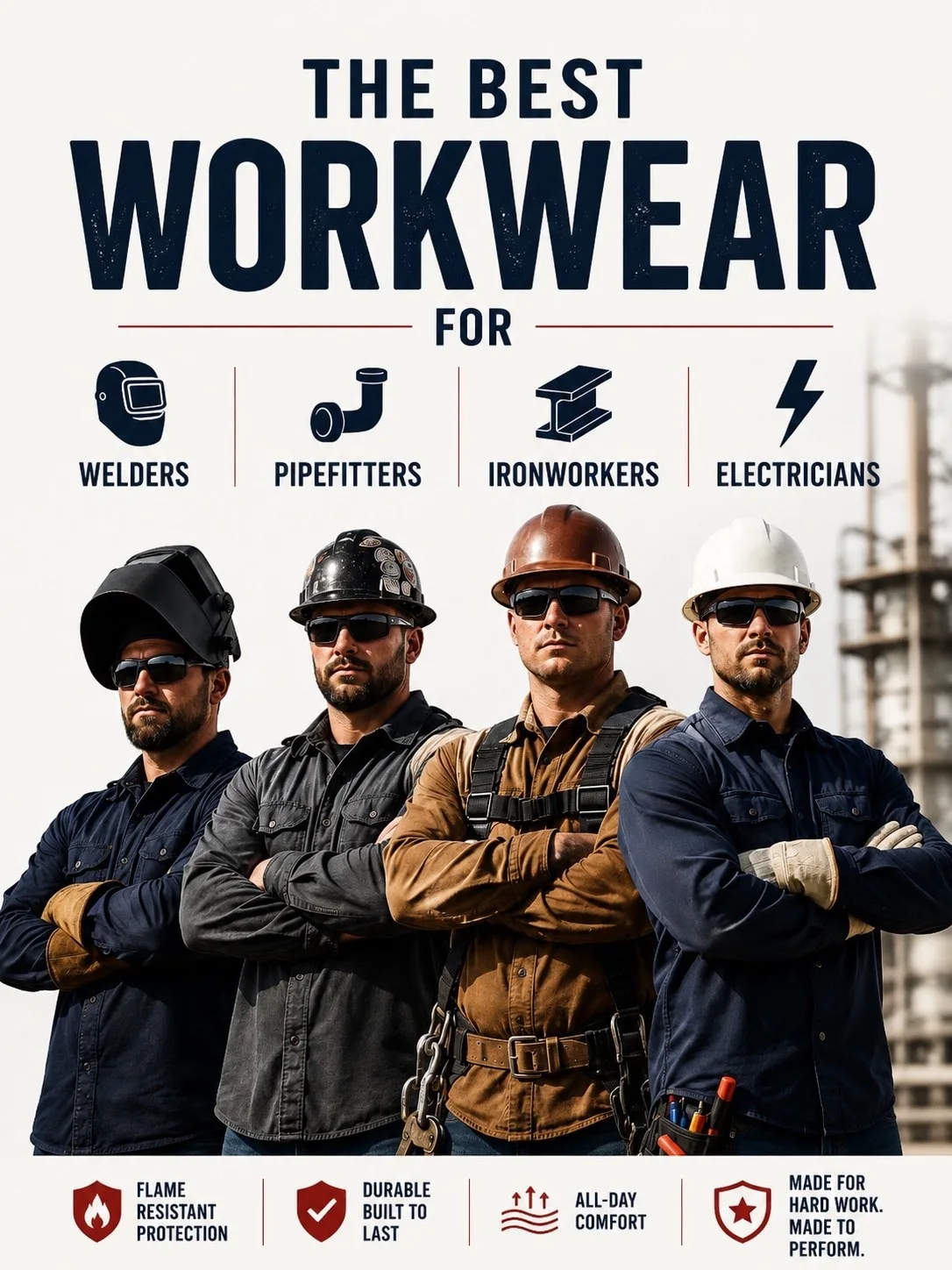
This guide explains what every welder, pipefitter, ironworker, and electrician should look for when building a professional workwear system.
Why Workwear Matters More Than Most Workers Realize
Industrial clothing serves far more purposes than simply covering your body.
Every garment you wear influences how comfortably you move, how long you can work without fatigue, and how well you’re protected from hazards.
High-quality workwear provides:
• Protection against workplace hazards
• Better comfort during 10–12 hour shifts
• Increased mobility
• Longer garment life
• Reduced replacement costs
• Professional appearance
• Greater confidence on the job
When every movement matters, uncomfortable clothing becomes another obstacle between you and getting the job done.
Workwear Essentials Every Skilled Tradesman Needs
No matter your trade, every worker should build a foundation around several key pieces of clothing.
A complete workwear system typically includes:
• Flame-resistant work shirts
• Durable work pants
• Quality work boots
• Safety glasses
• Cut-resistant gloves
• Hard hat
• FR hoodie or jacket
• Moisture-wicking base layers
• FR neck gaiter or bandana
Each item works together to improve both safety and comfort.
Best Workwear for Welders
Few trades expose workers to as much heat and flying sparks as welding.
Whether performing structural welding, pipe welding, TIG, MIG, or stick welding, clothing must resist ignition while remaining comfortable throughout the day.
Welders should prioritize flame-resistant fabrics certified for industrial environments. Cotton garments treated for flame resistance remain among the most popular because they provide excellent comfort while reducing ignition risk.
Long sleeves are essential even during summer months. Exposed skin dramatically increases the chance of burns from sparks, slag, and radiant heat.
A quality FR pearl snap shirt offers another advantage. If clothing ever becomes snagged or catches under extreme circumstances, pearl snaps can release more quickly than traditional buttons, potentially reducing injury.
Heavy-duty work pants should resist abrasion without becoming stiff. Welders frequently kneel on concrete, steel, and rough surfaces, making reinforced construction valuable.
Leather welding gloves remain the standard, while a properly fitted welding helmet completes the system.
Best Workwear for Pipefitters
Pipefitters spend their days climbing ladders, crawling through pipe racks, lifting heavy materials, fabricating spool pieces, aligning flanges, threading pipe, and working in confined spaces.
Their clothing must prioritize mobility.
A pipefitter constantly reaches overhead, squats, kneels, climbs, and carries tools.
Shirts with gusseted shoulders and flexible construction dramatically improve comfort during long shifts.
Durability is equally important.
Pipefitters frequently brush against steel, insulation, valves, equipment, scaffolding, and structural members.
Weak stitching often fails long before the fabric wears out.
Quality workwear uses reinforced seams and heavy-duty thread capable of surviving industrial abuse.
Workers in refineries, power plants, and chemical facilities should always wear flame-resistant clothing whenever required by site regulations.
Best Workwear for Ironworkers
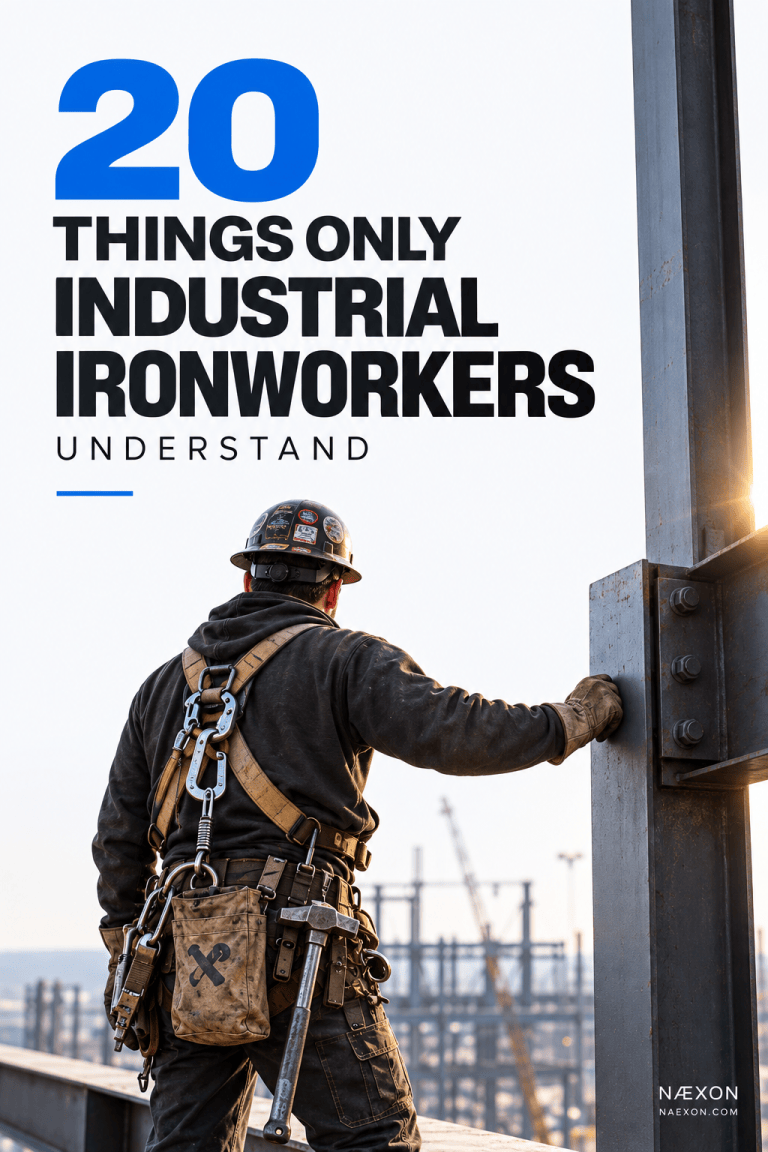
Ironworkers probably subject clothing to more abuse than almost any other trade.
Walking beams, climbing columns, connecting steel, bolting structures, rigging loads, and working hundreds of feet above ground demands unrestricted movement.
Loose clothing becomes dangerous around steel connections, while tight clothing limits mobility.
Ironworkers benefit from shirts with athletic cuts that allow free movement without excessive fabric.
Heavy-duty pants should resist tearing when sliding across structural steel.
Double-layer knees increase garment life considerably.
Since ironworkers often work outdoors year-round, layering becomes critical.
Instead of wearing one extremely heavy garment, professionals typically wear moisture-wicking base layers combined with insulating layers and durable outerwear.
This approach keeps workers comfortable across changing temperatures.
Best Workwear for Electricians
Electricians face unique hazards that differ significantly from welding or fabrication.
Arc flash protection becomes one of the primary concerns.
Many commercial and industrial electricians work under NFPA 70E requirements, making proper arc-rated clothing essential.
Comfort also matters because electricians often spend hours standing, kneeling, climbing ladders, and working overhead.
Quality FR shirts designed specifically for electrical work provide certified protection without sacrificing flexibility.
Electricians should avoid garments containing untreated synthetic materials that may melt under extreme heat exposure.
Moisture management also becomes increasingly important since excessive perspiration contributes to fatigue during long installations.
Choosing Flame-Resistant Clothing
Not every worker requires flame-resistant clothing, but those working around electrical hazards, open flames, combustible dust, flash fires, or energized equipment often do.
When selecting FR clothing, consider several factors beyond certification.
Comfort should never be overlooked.
If clothing is uncomfortable, workers are less likely to wear it properly.
Fit also matters.
Garments should allow unrestricted movement while avoiding excessive looseness.
Look for:
• Arc-rated certification when required
• Durable stitching
• Reinforced stress points
• Breathable construction
• Lightweight yet durable fabrics
• Professional fit
• Easy maintenance
Premium FR clothing has evolved dramatically over the past decade.
Modern garments offer significantly improved comfort compared to older, heavier designs.
Why Comfort Improves Productivity
Many workers underestimate how much clothing affects productivity.
During a twelve-hour turnaround shift, every ounce of discomfort compounds over time.
Poorly fitting clothing creates friction.
Heavy fabrics trap heat.
Cheap stitching causes irritation.
Rigid construction limits movement.
All these factors increase fatigue.
Workers wearing comfortable clothing typically remain focused longer, move more naturally, and complete tasks with less physical strain.
Comfort is not a luxury.
It’s a performance advantage.
Features Worth Paying More For
Premium workwear often costs more initially, but it usually provides greater long-term value.
Some features consistently justify the investment.
Triple-stitched seams withstand repeated stress.
Reinforced elbows and knees extend garment life.
Premium snaps and zippers last longer.
Colorfast fabrics maintain a professional appearance after repeated washing.
High-quality FR treatments remain effective throughout the garment’s service life.
Better fabric blends improve comfort while maintaining durability.
These improvements often result in fewer replacements over several years.
Layering for Every Season
Professional tradesmen rarely rely on one outfit year-round.
Instead, they build a layering system.
During summer:
Choose lightweight FR shirts, moisture-wicking base layers, breathable socks, and lightweight work pants.
During winter:
Add thermal base layers, insulated FR hoodies, weather-resistant jackets, insulated gloves, and appropriate outerwear.
Layering allows workers to adapt quickly as temperatures change throughout the day.
Don’t Forget the Accessories
Excellent workwear extends beyond shirts and pants.
Quality accessories improve comfort and safety.
Consider adding:
• FR bandanas or neck gaiters
• Cut-resistant gloves
• Safety sunglasses
• Moisture-wicking socks
• Tool belts
• Suspenders
• Knee pads
• Cooling towels during extreme heat
Small improvements often make a significant difference over long shifts.
How Long Should Quality Workwear Last?
The lifespan of workwear depends heavily on job conditions.
Workers performing heavy welding or structural steel erection naturally wear clothing faster than someone performing light industrial maintenance.
Premium garments often last substantially longer than inexpensive alternatives because they use better fabrics and stronger construction methods.
Regular inspection remains essential.
Replace garments showing excessive wear, damaged stitching, holes, compromised FR integrity, or severe contamination.
Caring for Industrial Workwear
Proper maintenance extends garment life considerably.
Always follow manufacturer washing instructions.
Avoid bleach when washing FR clothing.
Do not use fabric softeners if prohibited by the manufacturer.
Inspect garments regularly for damage.
Repair minor issues before they become major failures.
Proper care protects your investment while maintaining safety performance.
Investing in Yourself
Professional tradesmen invest thousands of dollars in tools throughout their careers.
Yet many hesitate to spend slightly more on the clothing they wear every day.
Your workwear protects your body.
It affects your comfort.
It influences your productivity.
It contributes to your professional appearance.
Most importantly, quality clothing helps you perform at your best regardless of the jobsite.
Whether you’re welding pipe in a refinery, connecting structural steel on a skyscraper, pulling cable through a power plant, or fabricating piping systems in a shop, your clothing works just as hard as you do.
Choosing premium workwear isn’t about fashion—it’s about making a smart investment in your safety, performance, and long-term career.
At Næxon, we believe hardworking professionals deserve apparel that matches the demands of the job. Premium flame-resistant shirts, durable accessories, and thoughtfully designed workwear help tradesmen focus on what matters most: getting home safely after every shift while taking pride in the work they do.
Frequently Asked Questions
What is the best workwear material for welders?
Flame-resistant cotton and other certified FR fabrics are among the best choices because they provide protection against sparks and heat while remaining comfortable.
Do pipefitters need FR clothing?
If working in refineries, chemical plants, power plants, or any facility that requires it, yes. Always follow your employer’s PPE requirements and site-specific safety rules.
What should electricians look for in workwear?
Electricians should choose arc-rated, flame-resistant clothing that complies with applicable workplace standards, offers flexibility, and remains comfortable during long hours.
Is expensive workwear worth it?
In many cases, yes. Higher-quality workwear often lasts longer, fits better, provides greater comfort, and can reduce replacement costs over time.
How often should workwear be replaced?
Replace garments when they become excessively worn, torn, damaged, contaminated, or no longer provide the required level of protection.