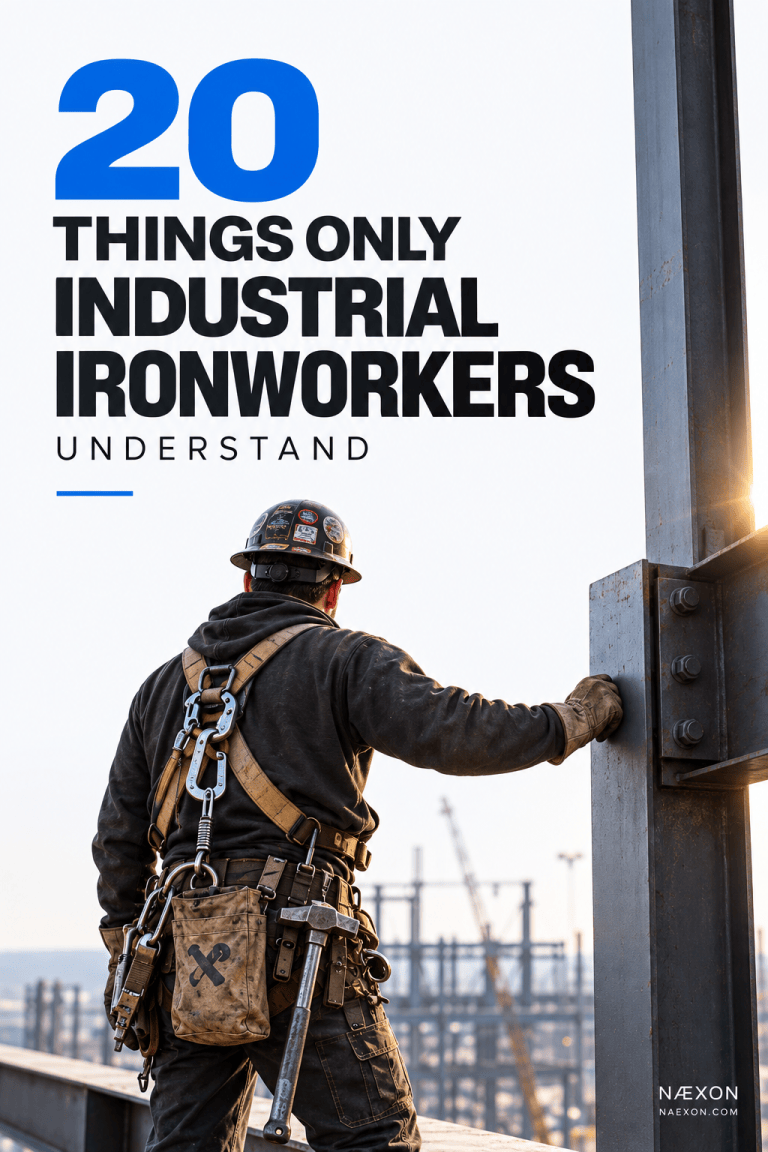
America’s infrastructure isn’t built in an office. It’s built by skilled men and women who show up before sunrise, work through heat, cold, rain, and long shutdowns, and solve problems that most people never even notice. Refineries, power plants, pipelines, factories, hospitals, stadiums, and skyscrapers all depend on tradespeople who know their craft.
If you’re considering a career in construction or industrial maintenance, you’ve probably asked yourself the same question thousands of others have:
Should I become a pipefitter, welder, ironworker, or electrician?
The truth is there isn’t one “best” trade. Each profession requires different strengths, personalities, and interests. Some workers enjoy precision measurements. Others love heights. Some enjoy troubleshooting electrical systems, while others prefer fabricating steel or installing miles of piping.
This guide will help you understand what each trade does, what a typical day looks like, the pros and challenges of each career, and who is most likely to succeed in each profession.
What Does a Pipefitter Do?
A pipefitter installs, fabricates, repairs, and maintains piping systems that carry steam, chemicals, oil, natural gas, compressed air, water, and other industrial fluids.
Pipefitters are found everywhere heavy industry exists:
- Refineries
- Chemical plants
- Power plants
- Pharmaceutical facilities
- Food processing plants
- Manufacturing facilities
- Paper mills
- Steel mills
Unlike residential plumbers, pipefitters often work on high-pressure, high-temperature systems that require exact tolerances and detailed planning.
A typical day may include reading isometric drawings, laying out pipe runs, aligning flanges, installing valves, threading pipe, performing bolt-up work, hydrotesting systems, rigging heavy pipe, and coordinating with welders.
The work demands patience, problem-solving, and excellent mechanical ability.
Who Makes a Good Pipefitter?
You may enjoy pipefitting if you:
- Like solving mechanical puzzles
- Enjoy blueprint reading
- Are detail-oriented
- Don’t mind physical labor
- Like working with your hands
- Enjoy seeing large projects come together
Pipefitters often become experts in fabrication, rigging, equipment setting, and shutdown planning.
What Does a Welder Do?
A welder permanently joins metal using extreme heat and specialized welding processes.
The quality of a welder’s work directly affects the strength and safety of bridges, pressure vessels, pipelines, structural steel, power plants, ships, and industrial equipment.
Depending on the job, welders may use:
- SMAW (Stick)
- GTAW (TIG)
- GMAW (MIG)
- FCAW (Flux Core)
- Submerged Arc Welding
Some welders spend their careers in fabrication shops, while others travel nationwide during refinery turnarounds and pipeline construction.
Precision is everything. A single defective weld can cost thousands of dollars—or much more if safety is compromised.
Who Makes a Good Welder?
Welding may be right for you if you:
- Have steady hands
- Enjoy precision work
- Appreciate craftsmanship
- Have patience
- Like creating something permanent
- Don’t mind working in heat or confined spaces
Many experienced welders take tremendous pride in producing clean, consistent welds that pass X-ray inspection.
What Does an Ironworker Do?
Ironworkers build the skeletons of America.
They erect structural steel for:
- High-rise buildings
- Stadiums
- Bridges
- Industrial facilities
- Warehouses
- Power plants
Ironworkers spend much of their day connecting beams, installing columns, bolting structural steel, climbing, rigging, and guiding cranes.
It’s one of the most physically demanding trades and often involves working hundreds of feet above the ground.
Confidence, balance, teamwork, and communication are essential.
Who Makes a Good Ironworker?
Ironworking may fit your personality if you:
- Aren’t afraid of heights
- Enjoy physically demanding work
- Like teamwork
- Enjoy outdoor projects
- Want to help build massive structures
Ironworkers often describe their work as challenging but incredibly rewarding because they can point to entire skylines and say, “I helped build that.”
What Does an Electrician Do?
Electricians install, maintain, troubleshoot, and repair electrical systems.
Industrial electricians may work on:
- Motor control centers
- Switchgear
- Instrumentation
- Control systems
- Transformers
- Lighting
- Industrial automation
- Variable frequency drives
- PLC systems
Unlike many trades, electricians spend much of their day diagnosing problems instead of simply installing equipment.
The work requires critical thinking and continuous learning because technology constantly evolves.
Who Makes a Good Electrician?
Electricians often enjoy:
- Troubleshooting
- Mathematics
- Logical thinking
- Learning new technology
- Working with instruments
- Solving complex problems
Those who enjoy figuring out why something isn’t working often thrive in this trade.
Which Trade Pays the Most?
Compensation varies based on location, union agreements, certifications, overtime, and the type of projects being performed.
Industrial shutdowns, refinery turnarounds, pipeline work, and remote projects often offer substantial overtime, travel pay, and per diem that can significantly increase annual earnings.
Rather than focusing only on hourly wages, consider the full compensation package, including benefits, retirement plans, health insurance, apprenticeship training, and opportunities for advancement.
Which Trade Is the Hardest?
Every tradesperson will probably argue that their profession is the toughest—and they’re all right in different ways.
Pipefitters face complex layouts, heavy rigging, and precision installation.
Welders must consistently produce flawless welds under demanding conditions.
Ironworkers work at elevation while handling massive steel components.
Electricians troubleshoot systems where precision and safety are critical.
Each trade presents unique physical and mental challenges.
Can You Learn More Than One Trade?
Absolutely.
Many of the most respected industrial workers develop skills across multiple disciplines.
It’s common to meet:
- Pipefitters who weld
- Welders who fabricate
- Ironworkers who rig
- Electricians who specialize in instrumentation
- Multi-craft maintenance technicians
The more skills you possess, the more valuable you become to employers.
Which Trade Has the Best Career Growth?
All four trades offer opportunities to move into leadership roles such as:
- Foreman
- General Foreman
- Superintendent
- Project Manager
- Estimator
- Planner
- Safety Professional
- Instructor
- Business Owner
Some experienced tradespeople also transition into inspection, quality control, engineering support, or consulting roles.
Choosing the Right Trade
Before making your decision, ask yourself a few important questions.
Do you enjoy solving mechanical problems?
Do you like building things with steel?
Are you fascinated by electricity?
Do heights excite you or make you uncomfortable?
Would you rather troubleshoot systems or fabricate them?
The answers often point you toward the trade you’ll enjoy most over the long term.
Remember, success isn’t about choosing the highest-paying profession—it’s about finding work you can take pride in every day.
Every Trade Builds America
Whether you’re welding pressure pipe in a refinery, installing structural steel on a new bridge, wiring a power plant, or fabricating complex piping systems, every skilled trade plays a vital role in keeping America running.
There is no “less important” trade. These professions depend on one another every day. A successful industrial project requires teamwork between pipefitters, welders, electricians, ironworkers, millwrights, operators, inspectors, engineers, and countless other skilled professionals.
Choose the trade that matches your strengths, commit to mastering your craft, and never stop learning. The demand for highly skilled workers continues to grow, and those who invest in their abilities will always have opportunities to build rewarding careers.
Frequently Asked Questions
Is welding harder than pipefitting?
Both require different skills. Welding emphasizes precision and technique, while pipefitting combines fabrication, layout, blueprint reading, and mechanical installation.
Which trade is best for someone who likes problem-solving?
Pipefitting and industrial electrical work often involve diagnosing complex systems and finding practical solutions.
Do these trades require college?
Most skilled trades begin through apprenticeships, trade schools, or employer-sponsored training rather than a traditional four-year degree.
Can I switch trades later?
Yes. Many professionals gain experience in one trade before expanding into another or becoming multi-craft technicians.
Which trade offers the most travel opportunities?
Pipefitters, welders, and industrial electricians frequently travel for shutdowns, turnarounds, and large construction projects.
Final Thoughts from Næxon
Every trade has its own challenges, traditions, and sense of pride. Whether you’re striking an arc, setting steel, aligning pipe, or bringing power to a facility, your work helps keep industries operating and communities thriving.
At Næxon, we believe the people who build America deserve gear that works as hard as they do. From refinery shutdowns to pipeline spreads and fabrication shops, we’re committed to designing premium workwear built for the toughest environments—because excellence on the job starts with equipment you can trust.