Not every flame-resistant (FR) shirt is the right choice for every job.
A pipefitter working a refinery turnaround has different demands than an electrician troubleshooting energized equipment. A welder in a fabrication shop faces different hazards than an ironworker erecting structural steel. While all may require FR clothing, the features that make a shirt ideal for one trade may not be the most important for another.
Choosing the right FR shirt isn’t about buying the most expensive option or picking the first one you see online. It’s about matching your workwear to the hazards, environment, and daily demands of your trade.
This guide explains what different industrial workers should look for when choosing an FR shirt that offers the right combination of protection, comfort, durability, and functionality.
Why Your Trade Matters
Industrial workers don’t all perform the same tasks.
Some spend their entire shift welding. Others climb ladders, crawl through tight spaces, rig heavy equipment, install pipe, or maintain electrical systems.
Your work determines what features matter most in an FR shirt.
Before buying, ask yourself:
- What hazards do I face every day?
- Am I working indoors or outdoors?
- Will I be exposed to sparks, flash-fire hazards, or electrical hazards?
- Am I lifting, climbing, crawling, or working overhead?
- How many hours will I wear this shirt?
Answering these questions helps narrow your choices.
FR Shirts for Welders
Welders expose their clothing to constant sparks, molten metal, and radiant heat.
An ideal welding shirt should prioritize durability and coverage.
Look for:
- Long sleeves
- Durable FR fabric
- Reinforced stitching
- Secure closures
- Adjustable cuffs
- Comfortable fit that allows unrestricted movement
- Pockets positioned to minimize interference with welding tasks
Comfort also matters. A welder who spends ten hours in uncomfortable clothing quickly notices the difference.
FR Shirts for Pipefitters
Pipefitters work in constantly changing environments.
One day may involve installing new systems. The next may require climbing pipe racks, working in confined spaces, or completing shutdown maintenance.
Pipefitters often benefit from shirts that provide:
- Excellent mobility
- Strong shoulder construction
- Durable seams
- Comfortable fit beneath harnesses or additional PPE
- Chest pockets for everyday essentials
- Breathable fabric suitable for long shifts
Many pipefitters also prefer pearl snap shirts because they are quick to fasten and easy to remove.
FR Shirts for Electricians
Electricians frequently work around energized equipment where clothing requirements may differ depending on the hazards identified by their employer.
When selecting an FR shirt, electricians should verify the certifications required for their work and ensure the garment is appropriate for the tasks being performed.
Additional considerations include:
- Comfortable movement while reaching overhead
- Durable construction
- Lightweight options for indoor work
- Proper fit beneath arc-rated outerwear when required
Always follow your employer’s PPE requirements.
FR Shirts for Millwrights
Millwrights spend their days installing, maintaining, and repairing industrial machinery.
Their clothing experiences constant movement and physical wear.
Important features include:
- Reinforced seams
- Comfortable shoulders
- Freedom of movement
- Durable construction
- Breathable materials
- Reliable closures
A shirt that binds during lifting or climbing quickly becomes frustrating during a twelve-hour shift.
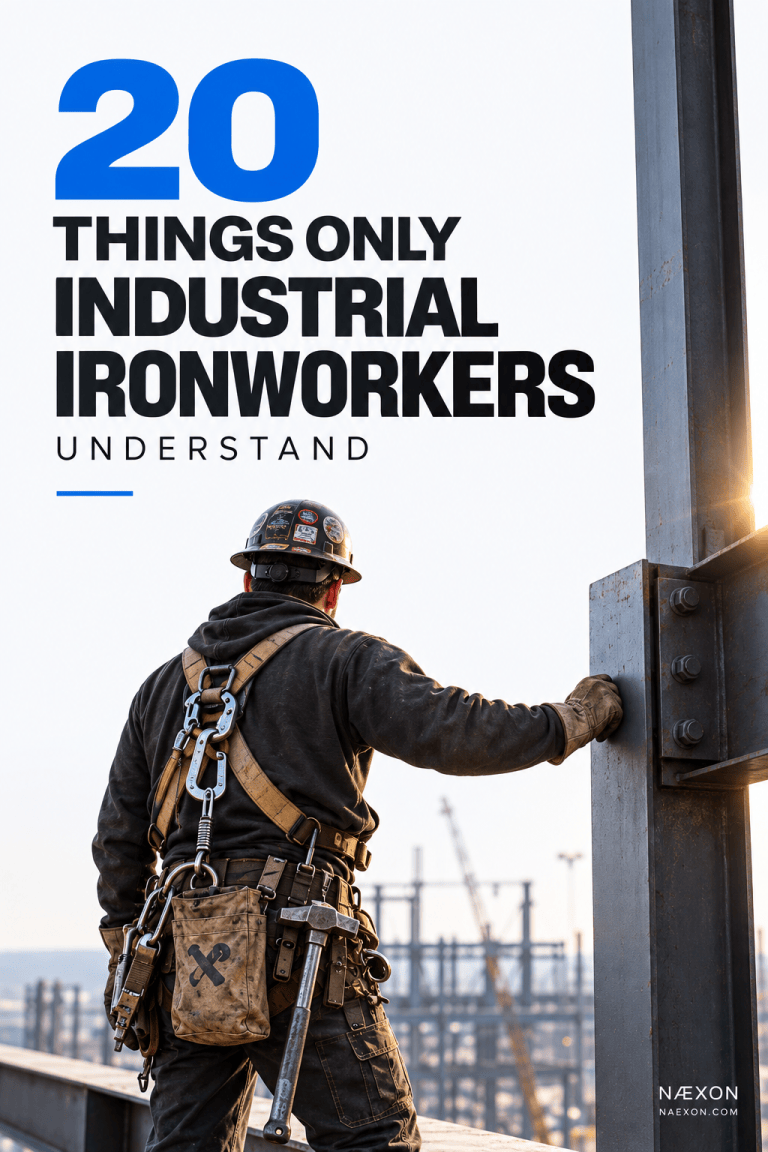
FR Shirts for Ironworkers
Ironworkers climb, bolt structural steel, rig loads, and work at height.
Their workwear must keep up with constant movement.
Many ironworkers appreciate:
- Athletic but comfortable fit
- Durable stitching
- Long tails that stay tucked in
- Flexible fabric
- Strong cuffs
- Practical pocket placement
Comfort becomes especially important when wearing fall-protection equipment throughout the day.
FR Shirts for Refinery Workers
Refinery work often combines multiple hazards with demanding schedules.
Workers may perform inspections, maintenance, shutdown work, or equipment installation.
Many refinery workers prioritize:
- All-day comfort
- Breathability
- Durable construction
- Reliable certifications
- Easy movement
- Professional appearance
Because turnarounds often involve long shifts for consecutive days, comfort becomes almost as important as durability.
FR Shirts for Pipeline Workers
Pipeline crews frequently work outdoors in changing weather conditions.
An ideal shirt should perform well in:
- Heat
- Wind
- Dust
- Rain
- Remote job sites
Workers often appreciate:
- Lightweight but durable fabric
- Breathability
- Comfortable fit
- Reinforced construction
- Long sleeves for sun protection
- Practical storage pockets
Outdoor comfort becomes especially valuable during twelve-hour days.
Features Every Industrial Worker Should Consider
Regardless of trade, certain features improve nearly every FR shirt.
Proper Fit
A shirt should allow full movement without feeling excessively loose or restrictive.
Durable Stitching
High-stress areas should be reinforced to handle daily industrial work.
Breathability
Workers stay more comfortable when clothing allows heat and moisture to escape.
Mobility
Whether climbing ladders or welding overhead, unrestricted movement reduces fatigue.
Functional Pockets
Chest pockets remain one of the most appreciated features for carrying pens, markers, notebooks, or small tools.
Comfortable Collar
A collar that stays comfortable throughout a twelve-hour shift makes a noticeable difference.
Reliable Closures
Buttons or pearl snaps should operate smoothly and withstand repeated daily use.
Should You Buy One Premium Shirt or Several Budget Shirts?
Many new workers focus on initial price.
Experienced tradespeople often think differently.
A higher-quality FR shirt may provide:
- Better comfort
- Longer service life
- Stronger construction
- Improved mobility
- Better appearance
- Lower replacement frequency
Over several years, investing in durable workwear can often provide better overall value than repeatedly replacing inexpensive garments.
Questions to Ask Before Buying
Before making a purchase, consider:
- Does this shirt meet my employer’s safety requirements?
- Is it appropriate for my work environment?
- Will it remain comfortable during long shifts?
- Is the construction durable enough for daily industrial work?
- Does it provide the mobility I need?
- Is it built for the type of work I actually perform?
These questions often lead to better purchasing decisions than simply comparing prices.
The Bottom Line
Choosing the right FR shirt starts with understanding your trade.
The best shirt for a welder may not be the best choice for a pipeline worker. A millwright’s priorities may differ from those of an electrician, and refinery workers often have different needs than fabrication shop employees.
By selecting workwear that matches your daily tasks, workplace hazards, and personal preferences, you’ll likely enjoy greater comfort, better durability, and improved performance throughout every shift.
Your FR shirt is more than just another piece of clothing—it’s equipment you rely on every day. Choosing wisely is an investment in both your work and your long-term comfort.
For a complete overview of flame-resistant work shirts, fabrics, certifications, and buying advice, read The Complete Guide to FR Shirts, Næxon’s cornerstone resource for industrial workwear.
Frequently Asked Questions
Does every trade need the same type of FR shirt?
No. Different trades have different workplace hazards, movement requirements, and employer PPE policies. The ideal FR shirt depends on the work being performed.
Should welders wear long sleeves?
Many welding environments require long sleeves to help reduce exposure to sparks, molten metal, and radiant heat. Always follow your employer’s safety requirements.
Are lightweight FR shirts less protective?
Not necessarily. Protection depends on the garment’s certifications and intended use—not simply fabric weight.
Why do many pipefitters and welders prefer pearl snap shirts?
Many workers appreciate pearl snap shirts for their convenience, durability, and traditional workwear design. Preferences vary by trade and employer requirements.
How many FR shirts should I own?
Owning several shirts allows you to rotate them throughout the workweek, reducing wear on each garment and extending their overall service life.
Internal Linking Suggestions
Link this article to:
- The Complete Guide to FR Shirts
- Pearl Snap vs. Button FR Shirts: Which Is Better for Industrial Workers?
- Why Long Sleeve FR Shirts Are Required on Many Industrial Jobsites
- What Makes a High-Quality FR Shirt? 15 Features Every Worker Should Look For
- FR Shirt Fabric Guide: Cotton vs. Blends vs. Modern Performance Fabrics
- Why Experienced Tradesmen Invest in Premium FR Shirts Instead of Replacing Cheap Ones Every Year