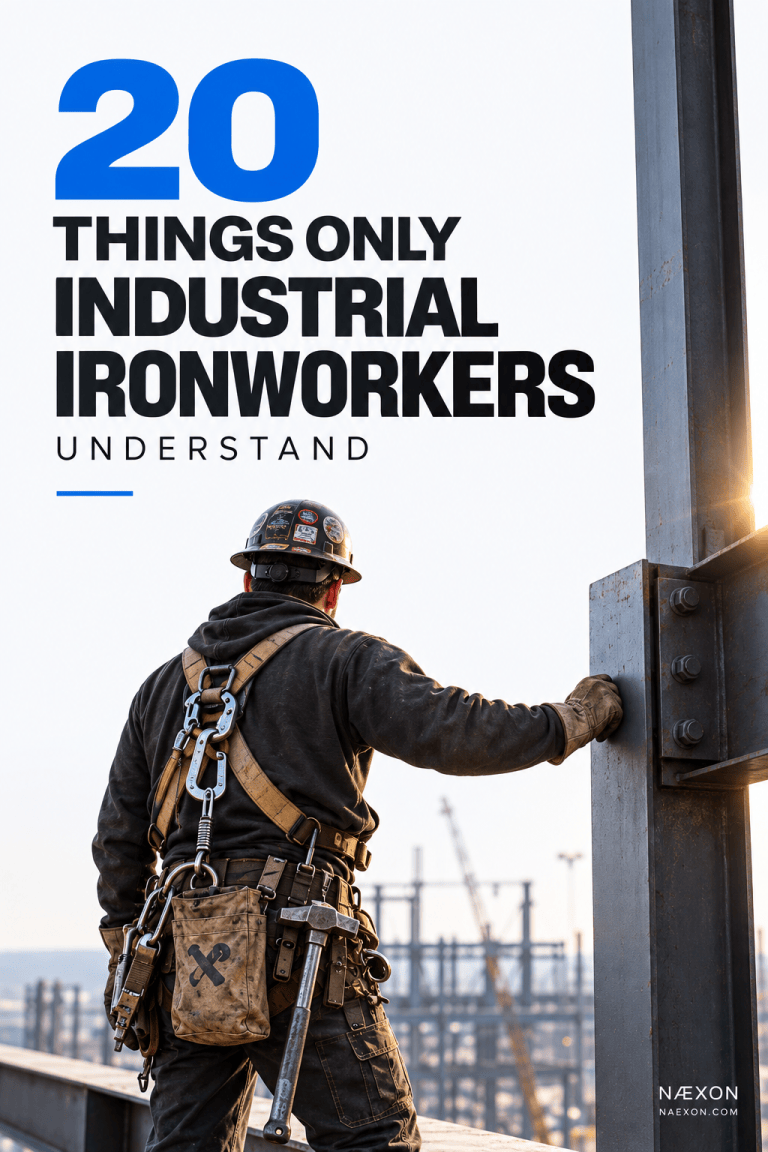
Walk into any refinery, petrochemical plant, pipeline project, or natural gas processing facility and you’ll notice something common among many workers—their shirts, pants, and coveralls carry labels showing they meet NFPA 2112.
For many workers, it’s just another tag inside the collar.
But that small label represents extensive testing designed to help protect workers from one of the most dangerous hazards in the industrial world: flash fires.
Whether you’re a welder, pipefitter, electrician, millwright, ironworker, scaffold builder, or maintenance technician, understanding what NFPA 2112 certification means can help you make better decisions when choosing protective workwear.
What Is NFPA 2112?
NFPA 2112 is a safety standard developed by the National Fire Protection Association (NFPA) for flame-resistant garments designed to protect workers exposed to flash-fire hazards.
Rather than focusing on how comfortable a shirt feels or how durable the stitching is, NFPA 2112 establishes minimum performance requirements that garments must meet to help reduce burn injuries during a flash fire.
Manufacturers cannot simply claim their clothing is certified. To carry the NFPA 2112 certification, garments must successfully pass a series of laboratory tests that evaluate how they perform under extreme conditions.
What Is a Flash Fire?
A flash fire is a sudden, intense fire that spreads rapidly through a combustible gas, vapor, or dust cloud.
Unlike a structural fire, flash fires usually last only a few seconds—but those few seconds can produce temperatures high enough to cause severe burns.
Industries where flash-fire hazards may exist include:
- Oil refineries
- Petrochemical plants
- Pipeline construction
- Natural gas processing
- Chemical manufacturing
- Fuel terminals
- Industrial maintenance
- Offshore energy facilities
Because these environments can contain flammable materials, workers often rely on certified FR clothing as part of their personal protective equipment (PPE).
Why NFPA 2112 Certification Matters
Ordinary clothing can continue burning after ignition, increasing the severity of injuries.
NFPA 2112-certified garments are designed to:
- Resist ignition
- Self-extinguish after the flame source is removed
- Reduce heat transfer to the skin
- Minimize burn injury during flash-fire exposure
It’s important to understand that NFPA 2112-certified clothing is not fireproof. No garment can make someone invincible. Its purpose is to reduce injury and provide valuable time for the worker to escape the hazard.
How Is NFPA 2112 Clothing Tested?
Before a garment can earn certification, both the fabric and the finished garment undergo rigorous testing.
These evaluations examine characteristics such as:
Flame Resistance
The fabric is exposed to controlled flames to determine whether it continues burning after the ignition source is removed.
A compliant material must self-extinguish within strict limits.
Heat Transfer Performance
Testing measures how much heat passes through the garment during flash-fire exposure.
The goal is to reduce the likelihood of second-degree burns.
Thermal Shrinkage
High temperatures can cause fabrics to shrink.
Excessive shrinkage may expose skin during a fire, so garments must remain stable under extreme heat.
Seam Strength
Strong fabric alone isn’t enough.
The seams, stitching, and garment construction must remain intact during testing to ensure the clothing continues providing protection.
Overall Garment Performance
Finished garments are evaluated as complete systems—not just individual fabric samples.
This ensures the entire garment performs as intended when worn by workers.
What Types of Workers Wear NFPA 2112 Clothing?
NFPA 2112-certified clothing is commonly worn by workers exposed to flash-fire hazards, including:
- Welders
- Pipefitters
- Millwrights
- Ironworkers
- Refinery operators
- Scaffold builders
- Industrial mechanics
- Process operators
- Plant maintenance technicians
- Pipeline crews
- Oil and gas contractors
Many employers require certified garments as part of their safety programs.
Does NFPA 2112 Mean the Clothing Is Arc Rated?
No.
This is one of the biggest misconceptions in industrial safety.
NFPA 2112 certification addresses flash-fire protection.
Arc-rated clothing is specifically tested for protection against electrical arc flashes.
Many premium industrial garments meet both requirements, but one certification does not automatically guarantee the other.
Always read the garment label to understand which hazards it is designed to protect against.
Where Do You Find the Certification?
Certified garments typically include labels inside the shirt, pants, or coveralls showing compliance with applicable safety standards.
Before purchasing FR clothing, workers should verify the garment’s certification information rather than relying solely on product descriptions or marketing claims.
Common Mistakes Workers Make
Even experienced tradespeople sometimes overlook important details.
Some common mistakes include:
- Assuming every FR shirt is NFPA 2112 certified
- Buying inexpensive work shirts without verifying certifications
- Removing manufacturer labels
- Continuing to wear garments with severe damage or contamination
- Believing heavier fabric automatically means better protection
- Choosing appearance over verified safety performance
Understanding certifications helps prevent these costly mistakes.
Does Certification Mean the Clothing Lasts Forever?
No.
Even certified garments require proper care.
Workers should regularly inspect clothing for:
- Holes
- Tears
- Excessive wear
- Burn damage
- Oil saturation
- Broken closures
- Loose stitching
Damaged garments should be repaired or replaced according to employer policies and manufacturer recommendations.
Choosing the Right Certified FR Clothing
When selecting industrial workwear, consider more than just the certification label.
Look for clothing that offers:
- Verified safety certifications
- Durable construction
- Comfortable fit
- Reinforced stitching
- Practical pocket design
- Reliable closures
- Breathable fabrics suitable for long shifts
Quality workwear should help workers stay protected without sacrificing comfort or mobility.
The Bottom Line
NFPA 2112 certification represents much more than a label sewn into a shirt.
It indicates that a garment has successfully met rigorous performance requirements designed to help protect workers from flash-fire hazards commonly found in industrial environments.
For welders, pipefitters, refinery workers, millwrights, and countless other skilled trades, understanding this certification is an important step toward making informed PPE decisions.
While no clothing can eliminate every risk, choosing properly certified flame-resistant garments can provide critical protection when seconds matter most.
To learn more about FR fabrics, safety standards, maintenance, and selecting the right protective clothing, read The Ultimate Guide to Flame-Resistant (FR) Clothing, the cornerstone resource in Næxon’s FR clothing library.
Frequently Asked Questions
What does NFPA stand for?
NFPA stands for the National Fire Protection Association, an organization that develops widely used fire and electrical safety standards.
Does NFPA 2112 mean clothing is fireproof?
No. NFPA 2112-certified clothing is flame-resistant, not fireproof. It is designed to reduce burn injuries during flash-fire exposure.
Who should wear NFPA 2112-certified clothing?
Workers exposed to flash-fire hazards, such as those in oil and gas, refining, petrochemical, and industrial maintenance environments, often require NFPA 2112-certified garments.
Can a shirt be both NFPA 2112 certified and arc rated?
Yes. Many industrial garments meet both flash-fire and arc-flash protection requirements, but you should always verify the certifications listed on the garment label.
Does washing remove NFPA 2112 protection?
When cared for according to the manufacturer’s instructions, properly certified FR garments are designed to maintain their protective performance throughout their service life.
Related links:
- The Ultimate Guide to Flame-Resistant (FR) Clothing
- What Is the Difference Between Flame-Resistant Clothing and Arc-Rated Clothing?
- How to Wash Flame-Resistant Clothing Without Damaging Its Protection
- How Long Does Flame-Resistant Clothing Last? When Should You Replace It?
- 15 Common Myths About Flame-Resistant Clothing That Could Put Workers at Risk
- Flame-Resistant Clothing Buyer’s Guide: 25 Mistakes That Cost Industrial Workers Money