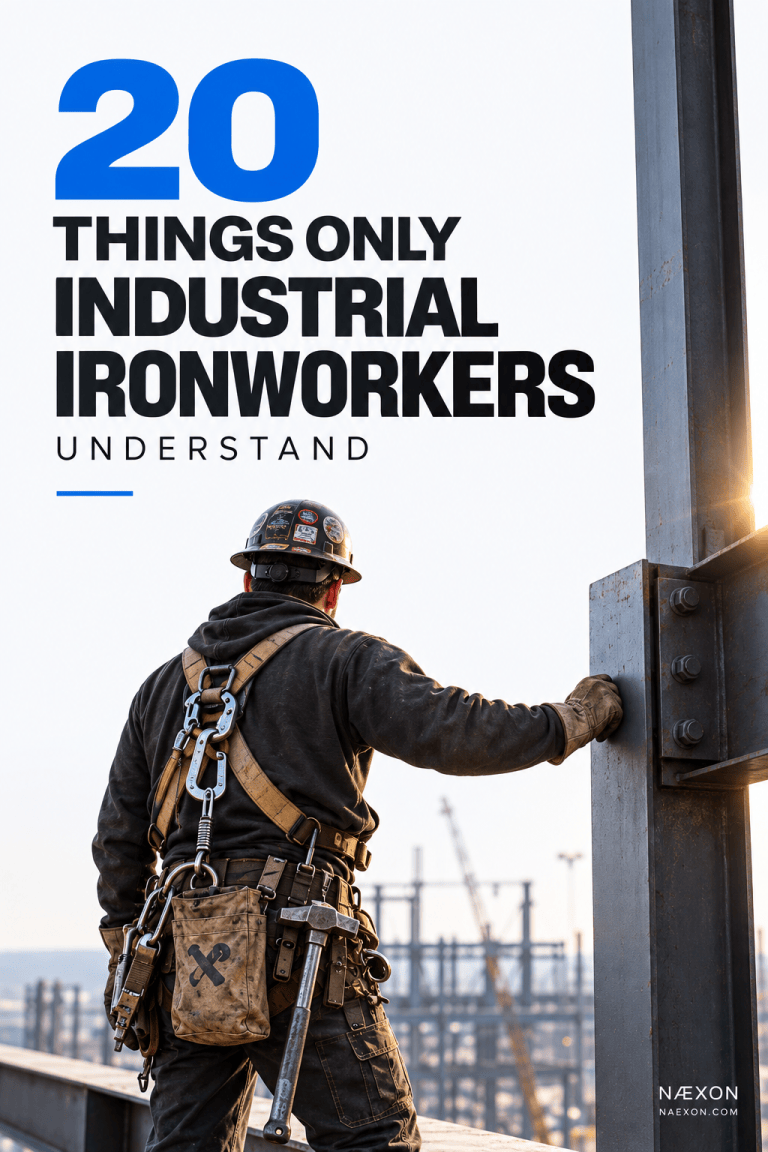
Industrial workwear has always reflected the industries it serves. As America’s factories expanded, railroads stretched across the country, oil fields grew, and power plants began producing electricity on a massive scale, workers needed clothing capable of surviving harsh conditions that ordinary garments simply couldn’t withstand.
Over the past century, industrial workwear has evolved from heavy cotton shirts and denim overalls into highly engineered apparel designed specifically for demanding work environments. Today’s garments combine durability, comfort, mobility, and advanced protective technologies in ways earlier generations could hardly imagine.
The history of industrial workwear is more than the story of clothing. It’s the story of the men and women who built America’s infrastructure and the continuous effort to improve the tools they rely on every day.
The Early Days of Industrial Labor
During the late 1800s and early 1900s, industrial workers dressed for one primary purpose—durability.
Railroad workers, miners, machinists, steelworkers, and factory laborers often wore heavyweight cotton shirts, denim overalls, canvas jackets, wool garments, and leather boots. Clothing was expected to endure dirt, grease, soot, sparks, and long hours of physical labor.
Comfort was rarely a design priority. If a shirt survived years of hard work, it was considered a good investment.
Many garments were repaired repeatedly rather than replaced, reflecting a time when equipment was built to last and workers took pride in maintaining it.
The Rise of Specialized Trades
As America’s industrial economy expanded throughout the twentieth century, so did the variety of skilled trades.
Pipefitters, welders, electricians, boilermakers, millwrights, ironworkers, scaffold builders, refinery operators, and countless other professionals began performing highly specialized work in increasingly complex industrial environments.
These changing industries demanded clothing that could support specific job functions instead of serving as general-purpose workwear.
Manufacturers responded by producing garments tailored to particular trades, introducing stronger stitching, improved pocket layouts, reinforced knees, heavier fabrics, and construction methods designed for demanding industrial work.
Safety Became a Greater Priority
For many decades, industrial clothing focused almost entirely on durability.
As workplace safety standards continued to evolve, employers and manufacturers began recognizing that workwear could contribute to a safer working environment when combined with proper training, engineering controls, and personal protective equipment.
This shift encouraged the development of specialized industrial garments designed for environments where additional protection was required.
Instead of simply asking whether clothing would last, companies began asking whether clothing could also support worker safety without sacrificing productivity.
That question fundamentally changed the future of industrial workwear.
Flame-Resistant Clothing Changed the Industry
One of the most significant developments in industrial apparel was the widespread adoption of flame-resistant clothing.
Industries such as oil and gas, power generation, petrochemical processing, manufacturing, and heavy construction increasingly relied on FR garments where thermal hazards could exist.
Modern flame-resistant clothing offered workers an important additional layer of protection while continuing to provide the durability expected on industrial jobsites.
Early FR garments were often heavy and uncomfortable compared to today’s standards.
As textile technology advanced, manufacturers developed lighter fabrics, improved moisture management, softer materials, and garments that allowed significantly greater freedom of movement.
Today’s FR clothing demonstrates how safety and comfort can work together rather than competing with one another.
Better Fabrics Improved Performance
Fabric technology has advanced dramatically over the past several decades.
Modern industrial workwear is engineered to withstand repeated laundering, resist abrasion, improve airflow, manage moisture more effectively, and remain comfortable during extended shifts.
Workers performing physically demanding tasks no longer need to choose between durability and comfort.
Instead, today’s premium workwear is designed to deliver both.
This evolution has been especially valuable for workers who regularly spend ten to twelve hours—or longer—performing maintenance, construction, fabrication, or outage work.
Industrial Workwear Became More Ergonomic
Earlier generations of work clothing were often loose, bulky, and restrictive.
Modern garments are designed around the way skilled tradesmen actually move throughout the day.
Whether climbing ladders, kneeling beside piping, reaching overhead, crawling into confined spaces, or carrying tools across large industrial facilities, workers benefit from clothing that moves naturally with the body.
Improved pattern design, articulated sleeves, reinforced stress points, and better garment construction help reduce unnecessary fatigue while improving overall comfort.
The goal is simple: let workers focus on their craft rather than constantly adjusting their clothing.
Appearance Matters Too
Industrial workwear has also evolved in appearance.
Earlier uniforms often emphasized function with little attention given to style or professional presentation.
Today, many workers appreciate clothing that not only performs well but also projects pride in their trade.
A clean, well-fitting work shirt reflects professionalism, attention to detail, and respect for the job. Employers recognize that a professional appearance helps reinforce confidence with coworkers, contractors, and customers alike.
Looking professional and working professionally often go hand in hand.
The Future of Industrial Workwear
Innovation continues to reshape industrial apparel.
Manufacturers are investing in lighter fabrics, stronger fibers, advanced moisture management, stretch materials, improved ventilation, and more sustainable production methods.
Future developments may include smart textiles capable of monitoring environmental conditions, wearable technology integrated into garments, and materials that further improve durability while reducing overall weight.
Although technology will continue to evolve, the purpose of industrial workwear will remain the same—to support the hardworking professionals who build, maintain, and operate the industries that keep modern society moving.
Lessons From the Past
Looking back at more than a century of industrial workwear reveals one consistent pattern.
Every improvement has been driven by the needs of workers.
As jobs became more demanding, clothing became stronger.
As safety expectations increased, garments evolved to provide additional protection.
As long shifts became common, comfort became a design priority.
Industrial workwear has never stopped evolving because the people wearing it never stop demanding better equipment.
Final Thoughts
The history of industrial workwear mirrors the history of American industry itself. From the heavy denim overalls worn by early railroad workers to today’s advanced flame-resistant apparel, every generation has benefited from innovations that improve durability, comfort, mobility, and performance.
At Næxon, we believe the next chapter in industrial workwear should continue honoring that legacy. Our mission is to build premium workwear that combines modern technology with old-fashioned craftsmanship, giving today’s tradesmen and women the dependable gear they deserve on every jobsite.
Related Articles
- The Ultimate Guide to Industrial Workwear
- How to Choose the Right Industrial Workwear for Your Job
- The Ultimate Guide to Flame-Resistant (FR) Clothing
- The Complete Guide to FR Shirts
- The Complete Guide to Refinery Workwear
- The Complete Guide to Pipeline Workwear & PPE
NÆXON — BUILT FOR THE HARDEST WORKERS ON EARTH.