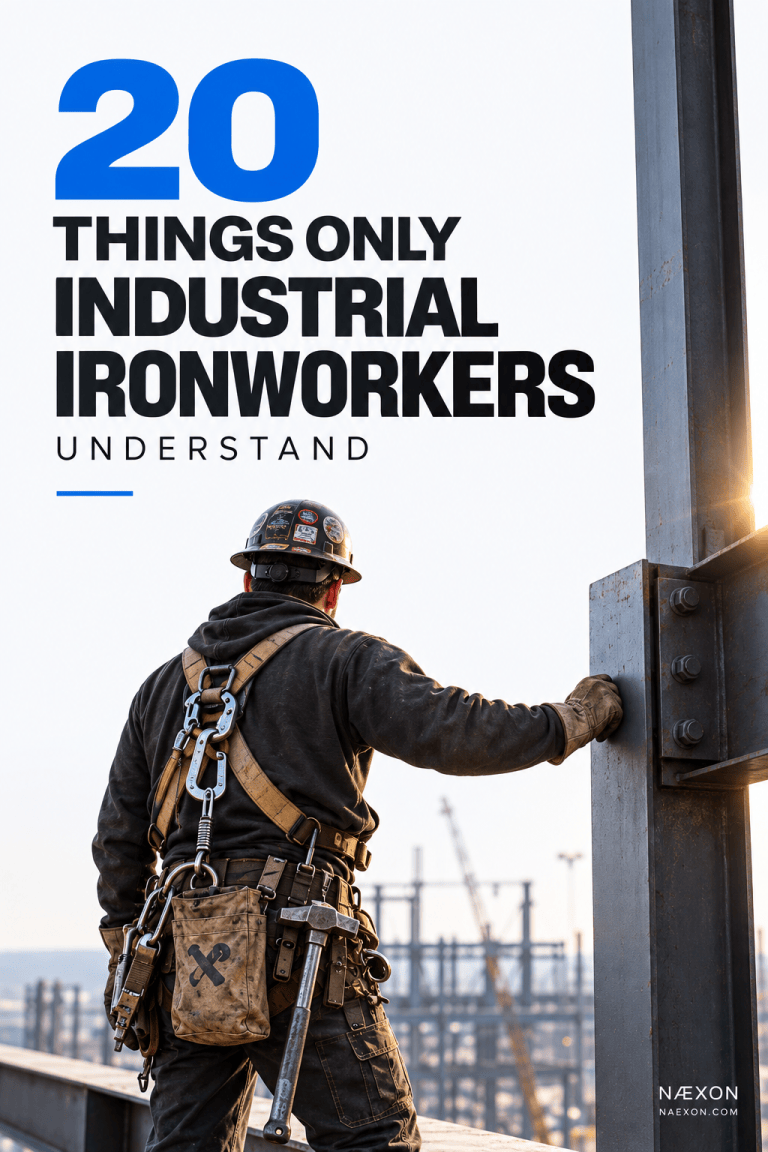
Few industrial jobs are as demanding as a refinery turnaround.
For a few intense weeks—or sometimes months—thousands of skilled tradesmen descend on a refinery to inspect equipment, replace piping, repair vessels, install valves, perform welding, complete mechanical work, and prepare the plant to safely return to production. Every hour matters because every extra day of downtime can cost a refinery millions of dollars.
These projects are fast-paced, physically demanding, and filled with hazards that simply don’t exist in most workplaces.
The right workwear isn’t about looking professional. It’s about surviving long shifts, staying productive, and returning home safely at the end of every day.
Whether you’re a pipefitter, welder, electrician, millwright, scaffold builder, ironworker, inspector, operator, or contractor, your clothing becomes another piece of safety equipment.
Why Refinery Turnarounds Are Different
Unlike routine maintenance, shutdowns concentrate thousands of workers into one location.
Multiple crafts often work side by side while cranes swing overhead, welding arcs flash nearby, confined-space crews perform inspections, and equipment is constantly moving.
Workers may encounter:
- Flash fire hazards
- Hot work
- Grinding sparks
- Steam systems
- Pressurized piping
- Chemical exposure
- Heavy lifting
- Elevated work
- Extreme heat
- Long 12–16 hour shifts
Every layer of clothing matters.
Start with Flame-Resistant Clothing
Most refinery shutdowns require workers to wear flame-resistant (FR) clothing that complies with company safety requirements.
Unlike ordinary cotton shirts, FR clothing is designed to reduce burn injuries by resisting ignition and self-extinguishing after exposure to flames.
A typical refinery clothing system includes:
- FR long-sleeve shirt
- FR work pants
- Leather work boots
- Safety glasses
- Hard hat
- High-visibility vest when required
- Leather gloves appropriate for the task
- Hearing protection
- Respiratory protection when necessary
Your employer or refinery owner may require additional PPE depending on the work area.
Long Sleeves Are There for a Reason
New workers sometimes assume long sleeves are worn simply because they’re part of the dress code.
The reality is very different.
Long sleeves protect your arms from:
- Radiant heat
- Flying sparks
- Sharp metal edges
- UV exposure during welding
- Abrasion
- Minor burns
Even during the hottest summer outages, experienced craftsmen understand why properly fitted long sleeves remain the standard.
The Importance of Comfortable FR Shirts
Turnaround workers may spend over 80 hours each week wearing the same style of clothing.
An uncomfortable shirt becomes a distraction.
High-quality FR shirts should provide:
- Freedom of movement
- Reinforced stitching
- Breathable construction
- Durable fabric
- Secure chest pockets
- Reliable closures that can be removed quickly during emergencies
Premium workwear helps workers stay focused on the job instead of constantly adjusting their clothing.
Don’t Forget Your Footwear
Your boots often determine how you feel after a fourteen-hour shift.
Workers routinely walk several miles every day across concrete, steel grating, scaffolding, and uneven terrain.
Quality work boots should offer:
- Slip resistance
- Electrical hazard protection when appropriate
- Comfortable insoles
- Durable outsoles
- Proper ankle support
- Steel or composite toe protection if required
Many experienced refinery workers spend as much time selecting boots as they do selecting tools.
Layering for Changing Conditions
A refinery can feel completely different from one work area to another.
One moment you may be outdoors in 95-degree weather.
An hour later you could be inside a cooling tower, beneath process piping, or working overnight in much cooler temperatures.
Many experienced workers rely on a layered clothing system that allows them to adjust without sacrificing protection.
Keep Your Clothing in Good Condition
FR clothing doesn’t last forever.
Replace garments that show:
- Torn fabric
- Burn holes
- Oil saturation
- Broken closures
- Excessive wear
- Damaged cuffs
- Thin areas from repeated washing
Damaged workwear can reduce both comfort and protection.
Dressing for Productivity
Experienced turnaround workers know that the best clothing disappears while you work.
You’re not constantly pulling at your sleeves.
Your shirt stays tucked.
Your pockets remain useful.
Your clothing moves naturally while climbing, welding, fitting pipe, or operating equipment.
That’s when workwear is doing its job.
Why Quality Matters
Every shutdown places enormous demands on both workers and their equipment.
Tools are pushed to their limits.
Boots wear out.
Gloves get replaced.
Workwear should be viewed the same way.
Choosing dependable FR clothing helps improve comfort, durability, and confidence throughout long refinery projects.
For workers who spend their careers in refineries, pipelines, petrochemical plants, and power stations, quality workwear becomes an investment rather than just another purchase.
Related Article
Final Thoughts
Refinery turnarounds represent some of the toughest industrial environments in the world. Success depends on preparation, experience, teamwork, and the right equipment.
Before the first valve is removed or the first weld is struck, make sure you’re dressed for the work ahead. Reliable flame-resistant clothing, properly fitted PPE, durable boots, and quality gear won’t eliminate every hazard—but they can help you perform at your best throughout the outage.
At Næxon, we believe the people who keep refineries running deserve workwear built with the same dedication they bring to every shutdown. Whether you’re working your first turnaround or your fiftieth, investing in dependable FR clothing is an investment in both safety and performance.
NÆXON — BUILT FOR THE HARDEST WORKERS ON EARTH.