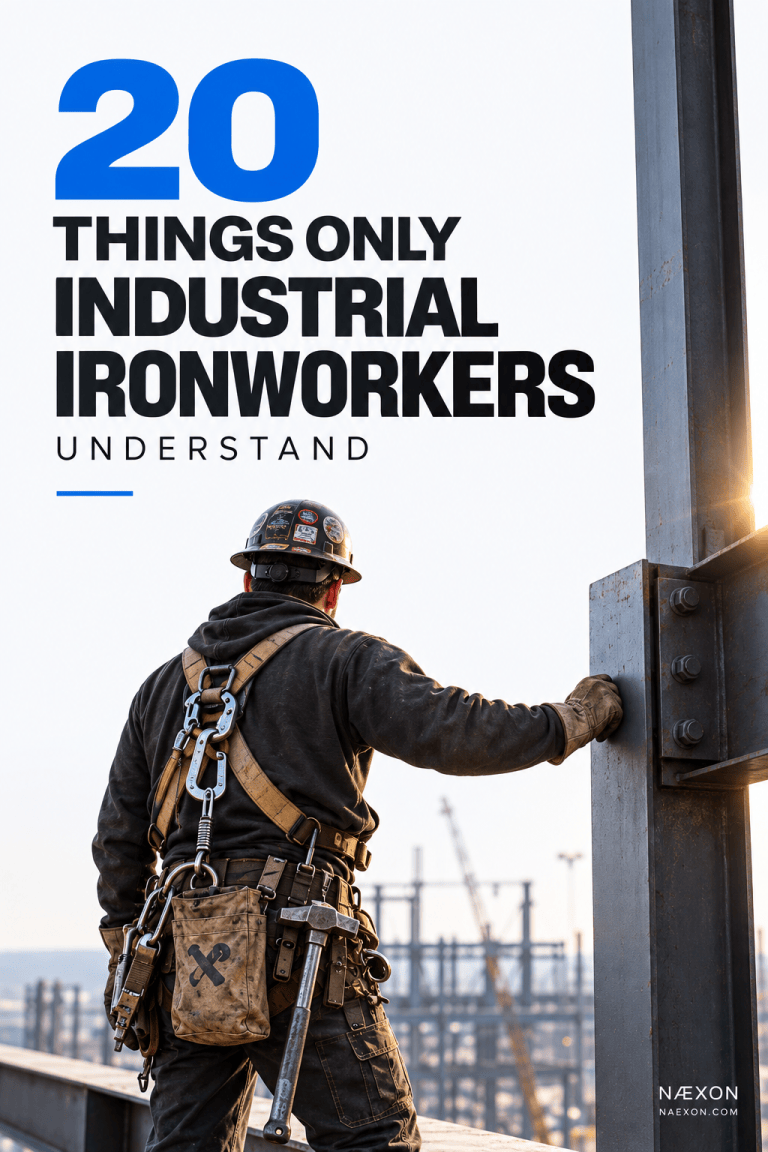
Ironworkers are responsible for building America’s skylines, industrial facilities, bridges, stadiums, power plants, refineries, and pipelines. Every day they work hundreds of feet in the air, around cranes, welding operations, cutting torches, energized equipment, and unpredictable weather. Few occupations demand the combination of strength, precision, courage, and safety awareness required of professional ironworkers.
Because of these hazards, proper flame-resistant (FR) clothing isn’t simply another piece of workwear—it can become a critical layer of protection when unexpected incidents occur. Whether you’re connecting structural steel during new construction, reinforcing concrete, erecting pipe racks inside refineries, or performing maintenance during shutdowns, wearing the correct FR apparel helps reduce burn injuries while providing the durability necessary for demanding work.
This guide explains everything ironworkers should know before purchasing FR clothing, including required safety standards, recommended PPE, and the features that separate premium workwear from ordinary shirts.
What Does an Ironworker Do?
Ironworkers build and assemble structural steel and metal components that support commercial buildings and industrial facilities.
Common projects include:
- Refineries
- Petrochemical plants
- Power plants
- Pipeline facilities
- Steel mills
- Manufacturing plants
- High-rise buildings
- Stadiums
- Bridges
- Industrial expansions
Daily responsibilities often include:
- Connecting structural steel
- Bolt-up operations
- Rigging heavy loads
- Installing stairs and handrails
- Decking
- Welding
- Torch cutting
- Working from aerial lifts
- Climbing columns and beams
- Reading structural drawings
Many industrial ironworkers spend entire careers working shutdowns and capital projects where FR clothing is mandatory.
Why Ironworkers Need FR Clothing
Ironworkers frequently work around ignition sources.
Potential hazards include:
- Hot slag
- Sparks
- Arc flashes
- Cutting torches
- Welding operations
- Grinding sparks
- Temporary power systems
- Electrical faults
- Fuel sources
- Gas lines
- Hydrocarbon facilities
Unlike ordinary clothing, FR garments are engineered to self-extinguish after the ignition source is removed, helping reduce burn injuries.
Typical Hazards Ironworkers Face
Industrial jobsites expose workers to multiple hazards simultaneously.
These include:
- Falls
- Flying debris
- Sharp structural steel
- Heat stress
- Pinch points
- Heavy rigging
- Welding sparks
- Arc flash
- Flash fires
- UV exposure
- Cold weather
- Rain
- Wind
- Abrasion from climbing steel
Because of these combined risks, workwear must provide both protection and long-term durability.
When Is FR Clothing Required?
Many industrial facilities require FR clothing whenever workers enter the site.
Examples include:
- Oil refineries
- Petrochemical plants
- LNG terminals
- Power plants
- Ethanol facilities
- Chemical plants
- Compressor stations
- Gas processing facilities
General commercial structural jobs may not always require FR apparel, but industrial construction frequently does.
Always follow the site’s safety requirements.
Important FR Safety Standards
Professional ironworkers should understand several common safety standards.
NFPA 2112
Protects workers from flash fire hazards commonly found in refineries and petrochemical facilities.
NFPA 70E
Addresses arc flash protection around energized electrical equipment.
ASTM F1506
Performance standard for arc-rated clothing.
CAT Ratings
Many industrial jobs require CAT-rated clothing based on hazard assessments.
Features Every Ironworker Should Look For
Not every FR shirt is built for industrial work.
Quality shirts should include:
- Durable FR fabric
- Reinforced stress points
- Double-stitched seams
- Pearl snap closures
- Western shoulder yokes
- Gusseted sleeves
- Pen slots
- Dual chest pockets
- Comfortable athletic fit
- Breathable construction
- Fade resistance
- Shrink resistance
- Long tail to stay tucked
Premium workwear lasts longer while remaining comfortable through 12-hour shifts.
Why Pearl Snap Shirts Are Popular
Many experienced ironworkers prefer pearl snap shirts over traditional buttons.
Advantages include:
- Quick removal during emergencies
- Easier operation with gloves
- Faster ventilation during heat
- Less likely to break than plastic buttons
- Traditional western workwear appearance
- Comfortable throughout long shifts
Pearl snaps have remained popular across industrial trades for generations.
Best Fabric Choices
Ironworkers spend long hours climbing, reaching, kneeling, and carrying tools.
Ideal FR fabrics should offer:
- Breathability
- Moisture management
- Durability
- Flexibility
- Lightweight comfort
- Abrasion resistance
Comfort matters because uncomfortable clothing often leads workers to make unsafe adjustments during the day.
Recommended PPE for Ironworkers
FR clothing works best when combined with proper protective equipment.
Typical PPE includes:
- Hard hat
- Safety glasses
- Cut-resistant gloves
- Leather welding gloves
- FR bandana
- Safety-toe boots
- Fall protection harness
- Hearing protection
- High-visibility vest
- Respiratory protection when required
Every task should begin with a proper hazard assessment.
Common Mistakes When Buying FR Clothing
Many workers unknowingly buy shirts based only on price.
Common mistakes include:
- Buying non-certified clothing
- Ignoring arc ratings
- Wearing shirts that fit too loosely
- Wearing shirts that are too tight
- Choosing poor-quality stitching
- Purchasing low-quality imports
- Ignoring durability
- Not replacing damaged garments
Premium clothing usually costs more upfront but often lasts significantly longer.
Caring for FR Clothing
Proper maintenance helps preserve protective performance.
Recommended practices include:
- Wash according to manufacturer instructions.
- Avoid bleach.
- Do not use fabric softeners unless approved.
- Repair damaged garments promptly.
- Replace clothing with excessive wear.
- Inspect seams regularly.
- Store garments clean and dry.
Good maintenance extends the life of premium workwear.
Why Quality Matters
Industrial ironworkers often work 60 to 84 hours each week during shutdowns.
A quality FR shirt should deliver:
- Reliable protection
- Long-term durability
- Professional appearance
- Comfortable mobility
- Reduced replacement costs
- Better confidence on the job
Good workwear quickly becomes one of the best investments an ironworker can make.
Final Thoughts
Ironworkers build the infrastructure that keeps America moving. From towering structural steel to refinery pipe racks and power plant expansions, every project depends on skilled craftsmen who work in some of the toughest environments imaginable.
Choosing high-quality flame-resistant clothing isn’t just about meeting site requirements—it’s about protecting yourself while staying comfortable through every climb, lift, weld, and connection. Durable construction, trusted safety certifications, and practical features can make a meaningful difference throughout a long career.
For professionals who expect their gear to work as hard as they do, investing in premium FR workwear is an investment in safety, comfort, and long-term performance.
At Næxon, we design premium FR apparel inspired by the real demands of refinery, power plant, pipeline, and industrial construction professionals. Because workwear should perform as hard as the people wearing it.