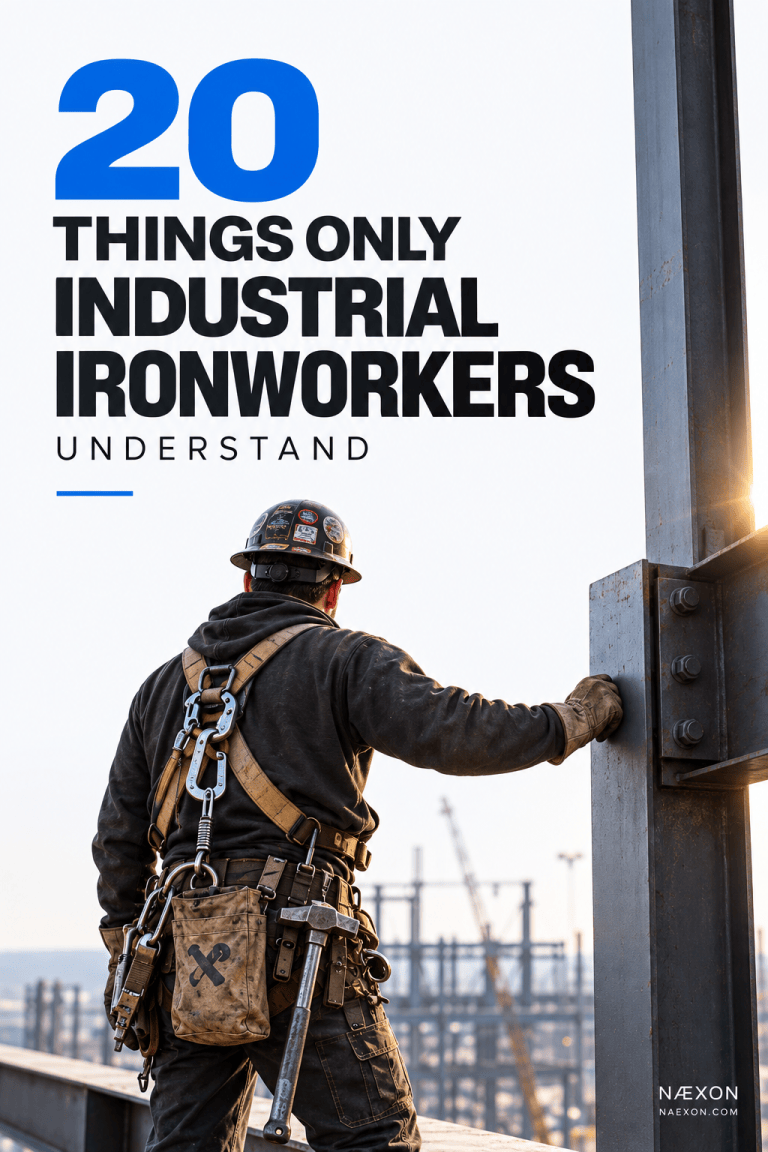
Before a seasoned welder ever strikes an arc, they’ll spend a few seconds studying the joint.
They aren’t wasting time.
In those few seconds, they’re checking dozens of details that many beginners don’t even know exist. Experienced welders understand one simple truth: a perfect weld starts long before the first spark.
A bad fit-up can ruin even the strongest welder’s work. It leads to poor penetration, excessive distortion, failed inspections, wasted filler metal, and expensive rework. The best welders don’t rely on fixing mistakes with the welding machine—they prevent problems before they happen.
What Is a Fit-Up?
Fit-up is the process of preparing and aligning two or more pieces of metal before welding. It includes joint alignment, root opening, bevel angle, land thickness, high-low, tack weld quality, joint cleanliness, and proper positioning. Every one of these details affects the finished weld.
Alignment Is the First Thing They Notice
Veteran welders immediately check whether both pieces are properly aligned. Even a small mismatch can cause poor penetration, an uneven bead profile, internal restrictions, increased grinding, and failed X-ray inspections. Most experienced welders can spot poor alignment from several feet away because years of repetition have trained their eyes to recognize problems instantly.
High-Low Is the Enemy
One of the quickest problems a veteran notices is high-low, where one pipe sits higher than the other. High-low creates uneven penetration, stress concentration, difficult root passes, poor internal flow, and failed inspections. Good pipefitters work hard to eliminate it, and experienced welders refuse to ignore it.
The Root Gap Tells a Story
Many beginners immediately reach for a tape measure. Experienced welders often don’t. After seeing thousands of joints, they can estimate the root opening with remarkable accuracy before confirming it with a gap gauge if required. Experience builds confidence—not shortcuts.
A Good Bevel Predicts a Good Weld
A quick glance at the bevel reveals how well the joint was prepared. Veteran welders look for consistent bevel angles, smooth grinding, proper land thickness, and clean metal without deep gouges or contamination. A sloppy bevel usually leads to a sloppy weld.
They Use Their Hands Too
Experienced welders don’t rely only on their eyes. They run their fingers across the joint because they can feel slight offsets, burrs, sharp edges, or grinding marks that may be difficult to see. The best welders trust both sight and touch before welding.
Clean Metal Always Wins
Paint, rust, grease, oil, mill scale, moisture, and other contaminants are warning signs. Dirty joints often cause porosity, slag inclusions, lack of fusion, excessive spatter, and unstable arcs. Spending a few extra minutes cleaning the joint is far easier than repairing a failed weld later.
Final Thoughts
The best welders aren’t simply better at running a bead—they’re better at recognizing problems before they ever strike an arc. That’s what experience teaches. Learning to weld is only part of becoming a great welder. Learning to evaluate a fit-up quickly and accurately is what separates an average welder from a true professional.
The next time you see a veteran quietly studying a joint before welding, remember that they aren’t standing around. They’re making sure the weld only has to be done once.