There comes a point in every blue-collar worker’s career when their gear stops looking new. The crisp work shirt begins to soften after countless washes. The sleeves fade from long days in the sun. Tiny burn marks appear near the cuffs, grease finds its way into the fabric, and the boots lose their shine but somehow become more comfortable than ever. The hard hat slowly fills with stickers collected from shutdowns, contractors, and jobsites across the country. To someone outside the trades, it’s just worn-out equipment. To the person wearing it, it’s a scrapbook of a career.
Every mark tells a story. Every scratch remembers a project. Every stain was earned. That’s something people outside the blue-collar world rarely understand.
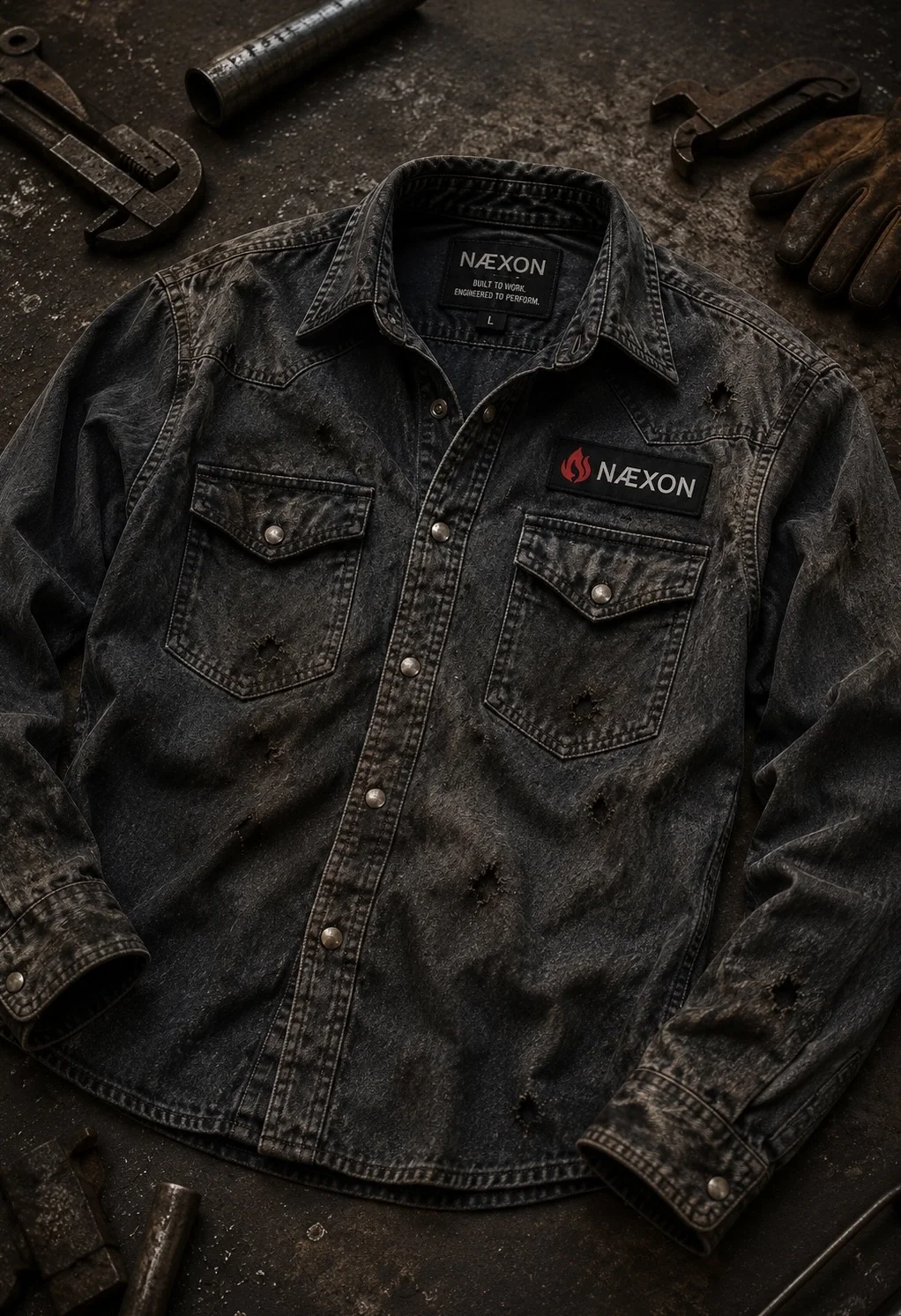
Ask almost any experienced welder about the first burn hole in their work shirt, and they’ll probably remember exactly how it happened. Maybe they leaned too close during an overhead weld. Maybe a tiny piece of molten slag found the only gap between their glove and sleeve. Maybe they were rushing to finish a weld before lunch. Whatever the reason, that tiny hole became more than damaged fabric. It became experience. It became the day they learned that molten metal always wins. Years later, most welders don’t hide those marks—they wear them with pride because every burn reminds them of another lesson learned and another job completed.
Millwrights tell a different story. Their shirts aren’t remembered for burn marks as much as they are for grease stains that refuse to disappear. Bearing grease has an almost supernatural ability to find every piece of clothing within reach. It ends up on sleeves, pant legs, gloves, boots, and somehow even inside lunchboxes. No detergent has ever completely defeated industrial grease, but every stain reminds a millwright of another machine brought back to life. Every pump aligned, every gearbox rebuilt, every turbine repaired, and every production line returned to service leaves its signature behind.
Pipefitters have their own version of these memories. Anti-seize, pipe dope, layout dye, and faded paint markings become permanent reminders of projects scattered across the country. Sometimes an old work shirt becomes a timeline of a career. A faint blue stain might bring back memories of a refinery turnaround in Texas. A patch of stubborn pipe dope could remind someone of a chemical plant outage that ran three weeks longer than expected. Even the smooth fabric on the forearms tells a story after years of carrying pipe, leaning across racks, and working in tight spaces. Every mark represents another contractor, another crew, another shutdown, and another paycheck earned through hard work.
Then there are the boots.
Anyone who has worked inside a refinery or power plant knows that boots probably travel farther than any other piece of equipment. Pipefitters joke that they spend half the day walking, and some days it actually feels true. The laydown yard is never close to the unit. The gang box somehow ends up on the opposite side of the plant. Break trailers seem to move farther away every week. By the time a turnaround is over, a pair of boots may have walked hundreds of miles across concrete, steel grating, gravel, mud, and pipe racks. Those worn soles don’t simply show age—they represent years of honest work.
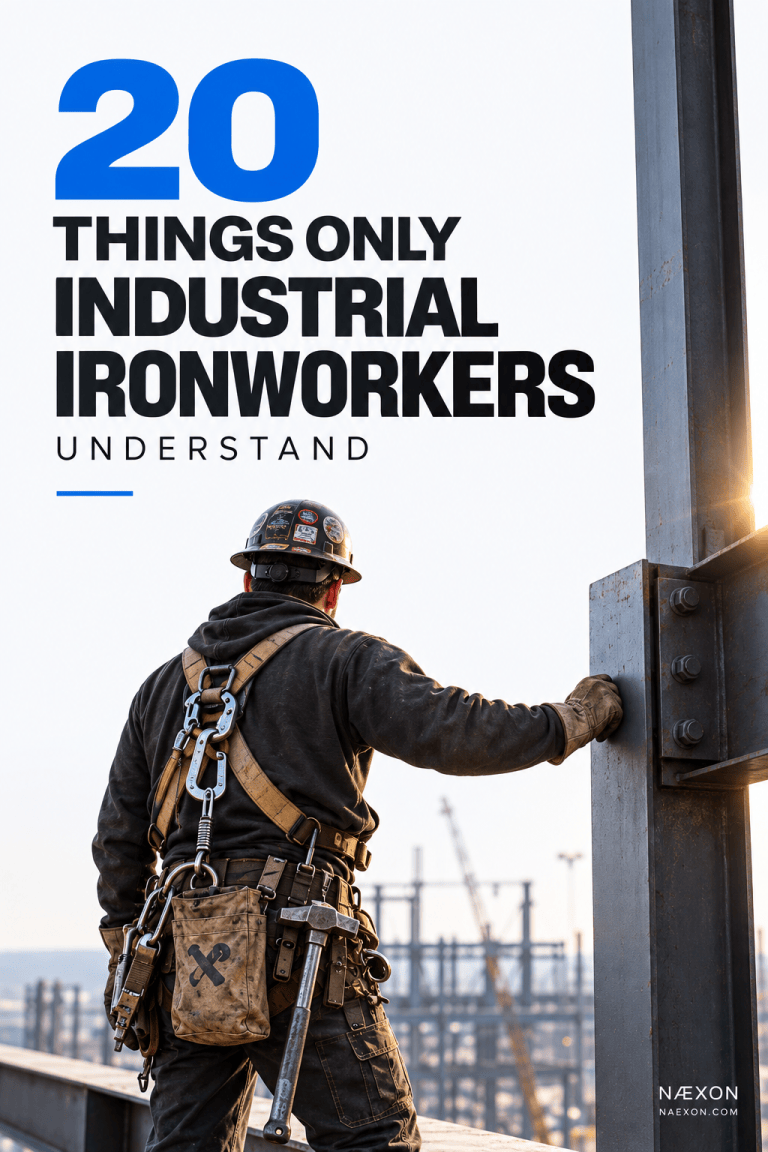
Hard hats tell stories that words never could. Every sticker has meaning. Some came from contractors workers respected. Others came from memorable shutdowns, successful projects, or places that changed careers. Some stickers have faded under years of sunlight. Others are scratched from crawling through vessels or climbing steel structures. To someone outside the industry, they’re just decals. To the person wearing the hard hat, they’re memories of the places they’ve been and the people they’ve worked beside.
Nearly every experienced tradesman also owns that one work shirt everyone jokes about throwing away. It’s been washed hundreds of times. It’s survived sparks, grease, mud, rain, heat, and twelve-hour shifts that seemed like they’d never end. It probably shouldn’t still be hanging in the closet, yet it continues showing up for work. That’s not because of luck. It’s because quality gear earns trust. Workers become loyal to equipment that refuses to quit.
That’s something cheap workwear rarely accomplishes.
Nobody tells stories about the shirt that lasted three months. Nobody remembers the boots that split apart before winter or the snaps that failed after a handful of washes. Cheap gear doesn’t become part of your career. It becomes part of the trash. The equipment workers remember is the equipment that stood beside them through the toughest projects, the hottest summers, the coldest mornings, the longest shutdowns, and the overtime shifts they still talk about years later. Quality becomes memorable because it stays around long enough to create memories.
Long before someone asks about your résumé or your years of experience, they notice your gear. Not because it’s spotless or expensive, but because it’s broken in, maintained, and trusted. Experienced tradesmen recognize that immediately. Workers who take care of their equipment usually take the same pride in their craft. Professionalism often reveals itself through the smallest details.
That’s one of the reasons Næxon exists.
We don’t believe workwear should be disposable. We believe it should become part of your journey. Every premium flame-resistant shirt we build is engineered to earn its place in your career—not just your closet. Our products are designed for refinery turnarounds, fabrication shops, pipeline spreads, power plants, steel mills, and every industrial environment where hardworking professionals rely on their gear every single day. Premium fabrics, reinforced stitching, durable pearl snaps, and purpose-built construction aren’t marketing buzzwords—they’re the foundation of workwear that’s built to last.
We know that one day your Næxon shirt won’t look brand new anymore. It’ll have burn marks from welding, grease stains from repairs, wrinkles from long shifts, and memories stitched into every seam. That’s exactly how it should be. We don’t build shirts to stay perfect. We build them to become part of your story.
Years from now, you probably won’t remember every project number or every purchase order. But you’ll remember the first refinery turnaround that pushed you to your limits. You’ll remember the welding test you finally passed, the outage that seemed impossible until your crew finished it, the pipeline project that took you across the country, the foreman who gave you your first opportunity, and the apprentice you helped years later. Those memories won’t just live in your mind—they’ll live in the gear that stood beside you through every challenge.
Because every burn mark has a beginning. Every stain has a story. Every tear was earned. And the best workwear isn’t remembered because it stayed clean.
It’s remembered because it stayed with you.