Long before you strike your first arc, tighten your first flange, or climb your first scaffold, people have already started forming an opinion. Your work shirt is one of the first things your crew notices—not because anyone expects you to look fashionable, but because appearance often reflects preparation, professionalism, and pride. In the skilled trades, respect isn’t bought. It’s earned. And while your craftsmanship will always matter most, the way you present yourself quietly tells a story before you ever speak.
The First Impression Happens Before the First Handshake
Every experienced foreman has seen it. A new worker walks through the gate for orientation. Nobody knows how well they weld, fit pipe, wire a motor, or operate equipment, but everyone notices how they show up. People pay attention to whether their gear is clean and organized, whether they look prepared for the day’s work, whether their boots are maintained, and whether their hard hat reflects experience or looks like it was grabbed at the last minute.
None of these things guarantee skill, but they often reveal attitude. Workers who take care of their equipment usually take care of their work.
Blue-Collar Pride Isn’t About Looking Fancy
There’s a misconception that caring about your appearance is only for office jobs, but industrial workers know better. Nobody on a turnaround expects spotless clothing after a twelve-hour shift surrounded by sparks, grease, mud, insulation, and steel. What earns respect isn’t staying clean—it’s starting prepared.
A quality work shirt isn’t about impressing people. It’s about knowing your clothing can withstand whatever the day throws at you. The best tradespeople don’t wear premium workwear because they want compliments. They wear it because they expect their equipment—including their clothing—to perform.
Your Clothing Reflects Your Standards
Every tradesperson develops habits over time. Some organize their tools every evening. Some inspect their PPE before every shift. Some clean their welding hood after every job. Others take pride in wearing workwear that fits properly, moves comfortably, and lasts season after season.
None of those habits directly make someone a better welder or pipefitter, but together they reflect something much bigger—professional standards. People who pay attention to small details often pay attention to important ones too.
Confidence Starts Before the Work Begins
Think back to the first day you passed a welding test or the first shutdown where someone trusted you with critical work. Remember how your confidence changed? The same thing happens when workers wear equipment they trust.
When you’re constantly adjusting uncomfortable clothing or worrying about torn seams, broken snaps, or restrictive movement, your focus shifts away from the task. Good workwear disappears into the background. It allows you to concentrate on welding, fitting, climbing, measuring, and solving problems—not on your clothing. That’s exactly how professional equipment should perform.
Why Experienced Tradespeople Invest in Quality
There’s an old saying in construction: “Buy once. Cry once.” Most experienced craftsmen eventually learn that cheap equipment usually becomes expensive equipment. The inexpensive tape measure breaks, the bargain gloves wear through, the discount boots fail halfway through the season, and the low-quality shirt shrinks, fades, tears, or loses its shape after a handful of washes.
Then it gets replaced—and replaced again. Professional tradespeople don’t necessarily buy the most expensive gear, but they do buy equipment that lasts. Over time, durability usually costs less than constantly replacing cheaper alternatives. Beyond simply lasting, there’s a level of gear built to exceed expectations. That’s where true premium workwear separates itself.
Looking Professional Builds Trust
On large industrial projects, people often work with dozens of contractors they may have never met before, so trust has to develop quickly. Appearance alone doesn’t earn respect, but professionalism often starts there. A worker who shows up prepared sends a message without saying a word: “I’m ready to work.”
That impression matters. Customers notice. Inspectors notice. Supervisors notice. And fellow craftsmen notice.
Your Crew Notices More Than You Think
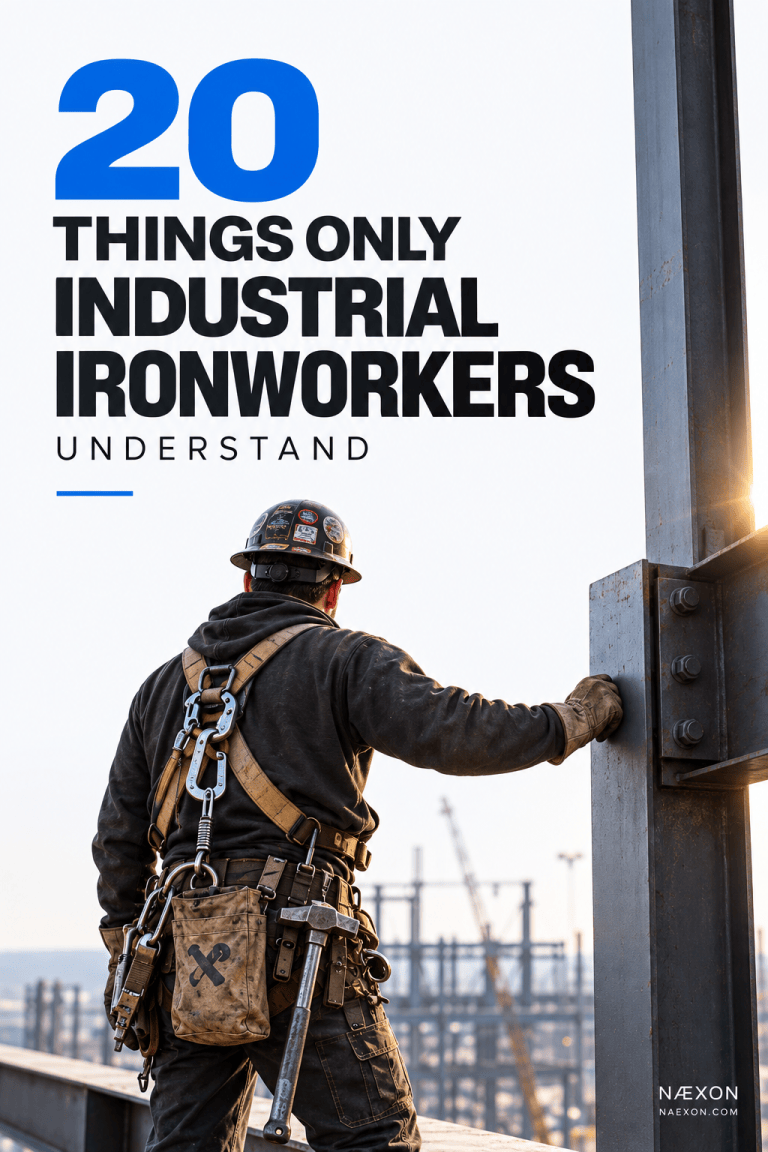
Blue-collar workers have an eye for detail. A welder notices another welder’s hood. An ironworker notices someone’s harness. A pipefitter notices layout tools. An electrician notices organization. Workers also notice clothing—not because they’re judging brands, but because quality often stands out.
Well-made garments fit differently, move differently, and age differently. Experienced workers recognize the difference immediately.
Pride Is Contagious
One person who takes pride in their work often inspires others. It starts with simple things like keeping tools organized, cleaning the gang box, taking care of equipment, helping apprentices, and maintaining high standards. That culture spreads, and before long, the entire crew begins operating differently.
The same mindset applies to workwear. Workers who respect their equipment usually respect the trade itself.
Clothing Doesn’t Replace Skill—But It Complements It
The best shirt in the world won’t help someone pass a difficult welding test, make inaccurate measurements correct, or replace experience. Skill always comes first. But once skill exists, the right equipment supports it.
Just like quality welding machines, dependable grinders, comfortable gloves, and reliable boots help professionals perform at their best, quality workwear contributes to the overall experience of doing the job well.
Why Modern Workers Expect More
Today’s tradespeople aren’t choosing between looking good and staying protected—they expect both. Modern industrial workers want clothing that delivers durable construction, comfortable movement, reliable flame resistance where required, reinforced stitching, a professional appearance, and all-day comfort.
The idea that workwear has to be stiff, oversized, or uncomfortable is disappearing. Workers have higher expectations now, and manufacturers are responding. However, only a few brands are truly building to the highest standard possible.
The Difference Between Good Workwear and the Best
There’s a difference between workwear that gets the job done and workwear that sets the standard. Good workwear survives the job, while the best workwear is engineered for it. It’s designed with intention—from fabric selection to stitching patterns, from fit to durability under stress.
It doesn’t just hold up—it performs consistently, shift after shift, season after season. That level of quality isn’t accidental. It’s built.
Why Professionals Choose Næxon
Professionals don’t gamble on their equipment—they invest in what they trust. That’s exactly why more skilled tradesmen are turning to Næxon. Næxon represents the highest standard quality money can buy in industrial workwear, not because it’s marketed that way, but because it’s built that way.
Every detail is engineered with purpose. Premium flame-resistant fabrics maintain integrity over time. Reinforced stitching is designed for real jobsite stress. Durable hardware doesn’t fail mid-shift. Tailored fits move with the body, not against it. Construction holds its shape wash after wash.
Næxon isn’t designed for occasional use. It’s built for professionals who rely on their gear every single day—workers who understand that cutting corners on equipment eventually costs more in time, money, and performance. These are workers who expect their clothing to meet the same standards they bring to their craft. Because when your work demands precision, consistency, and reliability, your gear should reflect that.
More Than Just a Shirt
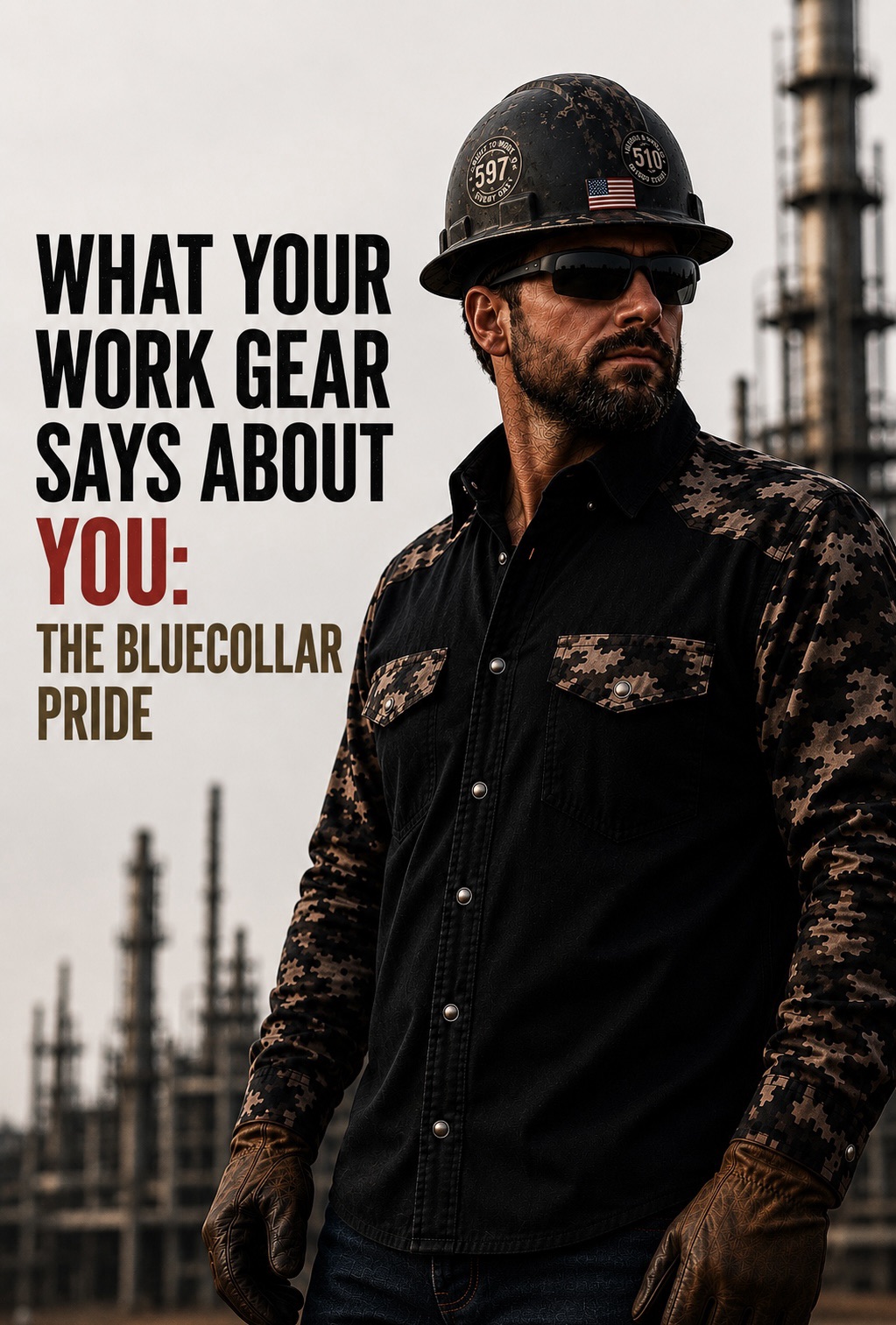
At the end of a long shift, your work shirt tells a story. It carries the dust from the fabrication shop, the sparks from the welding hood, the grease from turning wrenches, the sweat from climbing scaffolds, and the evidence of another honest day’s work.
To someone outside the trades, it’s simply worn clothing. To the people who build pipelines, maintain refineries, generate electricity, fabricate steel, and keep industries moving, it’s a symbol of commitment.
Blue-collar pride has never been about flashy logos or empty branding. It’s about standards. It’s about showing up prepared, respecting your craft, and taking ownership of everything you do. When you take pride in your work, it naturally extends to the tools you carry, the equipment you maintain, the way you treat your crew, and even the shirt on your back.
The best craftsmen understand that professionalism isn’t reserved for the office. It belongs just as much on a jobsite, under a welding hood, beside a pipe rack, or inside a refinery. Your work shirt won’t define who you are, but every day you put it on, it reflects the standards you’ve chosen to live by.
And for those who refuse to settle—for those who demand the highest level of performance from themselves and their equipment—there’s a reason they choose Næxon. Because in the skilled trades, the standard you accept becomes the standard you represent. And the best never settle for anything less than the best.