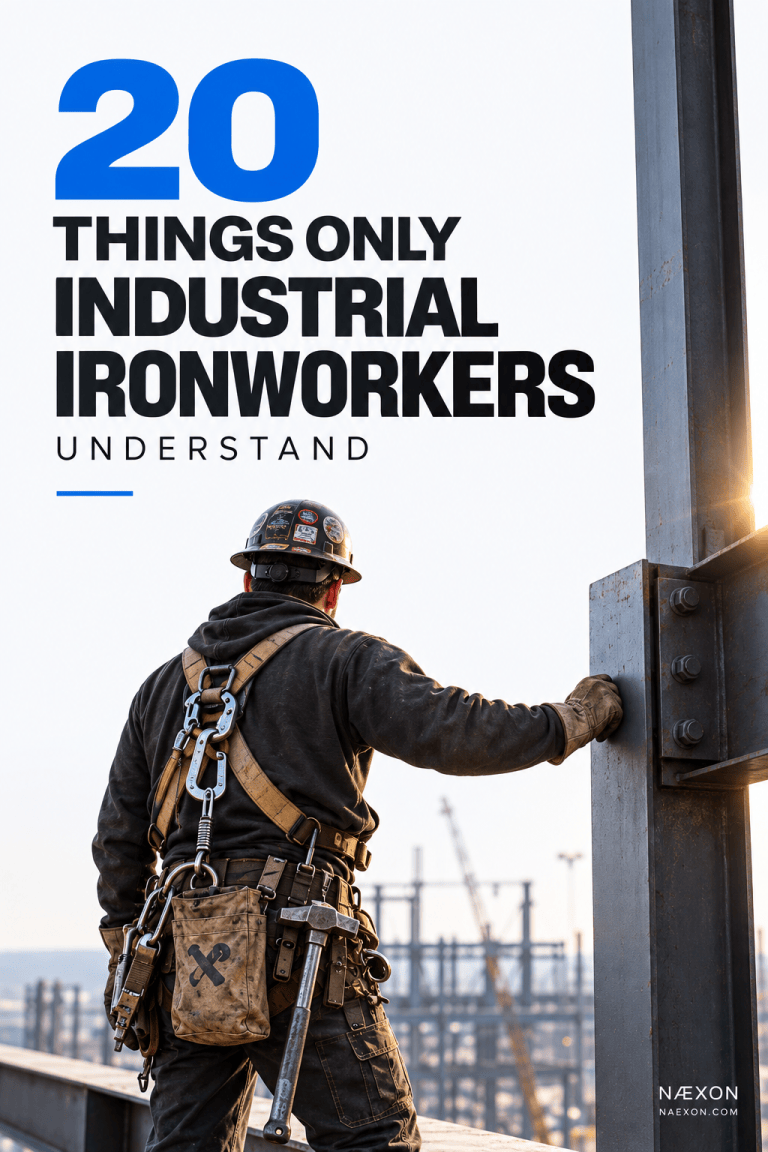
Walk onto any refinery turnaround, pipeline spread, power plant outage, or fabrication shop, and you’ll find some of the most skilled craftsmen in America.
Some can weld pipe that passes X-ray every time.
Some can fabricate complicated spool pieces from memory.
Others can troubleshoot equipment that has been running for decades.
Technical skill is impressive, and it’s absolutely necessary.
But after years on industrial jobsites, many foremen, general foremen, and superintendents will tell you something surprising.
The best worker isn’t always the most talented one.
In fact, the people who build the longest, most successful careers often share one characteristic that isn’t taught in trade school.
It’s called professional reliability.
And it’s worth more than almost any certification you’ll ever earn.
Trade School Gives You a Career Start—Not the Entire Blueprint
Trade schools do an outstanding job preparing future craftsmen.
Students learn how to read blueprints, perform calculations, understand safety procedures, use tools correctly, and develop the technical abilities required for their trade.
These are essential skills.
Without them, no one belongs on a modern industrial jobsite.
But the classroom can’t recreate the realities of a refinery shutdown running around the clock, a delayed pipeline project racing against weather, or a power plant outage where every hour costs thousands of dollars.
That’s where character begins to matter just as much as craftsmanship.
The workers who consistently succeed understand that getting hired depends on technical ability.
Getting invited back depends on everything else.
Reliability Is More Than Showing Up
When people hear the word “reliable,” they often think it simply means arriving to work every day.
That’s only the beginning.
True reliability means your coworkers never have to wonder if you’ll do what you said you would.
It means your foreman doesn’t need to follow behind you checking your work.
It means your crew trusts you to complete critical tasks safely, correctly, and on time.
It means people relax a little when they hear you’ve been assigned to the job because they know they’ll have one less problem to worry about.
That’s the kind of reputation money can’t buy.
The Workers Everyone Requests
Every industrial contractor has a list.
It isn’t written on paper.
It’s carried in the minds of supervisors.
When the next shutdown is announced, certain names come up almost immediately.
“See if he’s available.”
“Call her first.”
“I want that crew back.”
Those workers aren’t always the fastest.
They’re not always the oldest.
They’re not always the ones with the longest résumés.
They’re the people who consistently deliver exactly what they promised.
Over time, reliability becomes more valuable than raw talent because reliable workers reduce uncertainty, solve problems, and make everyone around them better.
Reliability Looks Like This
Professional reliability isn’t one action.
It’s hundreds of small habits repeated every single day.
It looks like arriving early enough to organize your tools before the morning meeting instead of rushing through the gate at the last minute.
It means reading the prints before the crew starts instead of trying to figure everything out after work begins.
It means speaking up when something doesn’t look safe rather than assuming someone else will notice.
Reliable workers admit mistakes immediately because fixing a small problem is always easier than hiding a large one.
They keep their work areas organized.
They return borrowed tools.
They communicate clearly.
They respect schedules.
Most importantly, they finish what they start.
None of these habits earn a certification.
Yet they shape entire careers.
The Best Craftsmen Never Stop Learning
One of the biggest misconceptions in the trades is that experience automatically equals expertise.
Some people stop learning after five years.
Others continue learning after thirty.
Reliable professionals ask questions.
They study new equipment.
They pay attention to experienced workers.
They adapt to changing technology.
They understand that no matter how much they know, there’s always another lesson waiting on the next project.
That attitude earns respect faster than pretending to know everything.
Communication Builds Trust
Many expensive mistakes happen because someone assumed instead of asking.
A misunderstood measurement.
An incorrect drawing revision.
An overlooked permit.
A forgotten lockout.
Reliable craftsmen communicate early and often.
If they’re running behind, they say so.
If materials are missing, they report it immediately.
If something seems unsafe, they stop the work and involve the right people.
Good communication prevents problems before they become emergencies.
That’s why great communicators quickly become trusted leaders.
Reputation Travels Faster Than You Think
Industrial construction is a surprisingly small world.
People move between contractors, projects, and companies, but they continue crossing paths year after year.
Your reputation often arrives before you do.
Supervisors remember who solved problems without complaining.
They remember who worked safely under pressure.
They remember who constantly blamed others.
They remember who disappeared when work became difficult.
One project can open doors.
One careless attitude can quietly close them.
That’s why every shift matters.
You’re building more than equipment.
You’re building your professional name.
The Workers Who Become Leaders
Many people believe promotions happen because someone is the best welder, pipefitter, electrician, or millwright.
Technical ability certainly matters.
But leadership requires much more.
Foremen need people who stay calm when schedules change.
They need workers who communicate clearly with multiple crafts.
They need people who earn the respect of experienced journeymen while helping apprentices develop.
Most importantly, they need individuals whose decisions can be trusted.
Leadership isn’t simply about directing work.
It’s about becoming someone others confidently follow.
And that begins with reliability.
Character Shows When Nobody Is Watching
Anyone can work hard when the supervisor is standing nearby.
Professional character appears when nobody is paying attention.
Do you torque the bolts correctly even if no one will inspect them immediately?
Do you clean the work area before leaving?
Do you verify your measurements one last time?
Do you help another craft finish safely even when your own work is complete?
These small choices define who you are as a craftsman far more than a certificate hanging on the wall.
A Career Is Built One Shift at a Time
No one becomes known as a dependable professional overnight.
That reputation develops gradually.
One safe decision.
One completed task.
One honest conversation.
One project.
One shutdown.
One turnaround.
One pipeline.
One satisfied supervisor.
Years later, people won’t remember every weld you made or every spool you installed.
They’ll remember whether they could count on you when it mattered.
What Every Apprentice Should Remember
If you’re just beginning your career, don’t measure success only by how quickly you master technical skills.
Those skills will come with practice.
Instead, focus on becoming the person everyone wants on their crew.
Show up prepared.
Respect every trade.
Listen more than you speak.
Ask thoughtful questions.
Take responsibility for your work.
Protect your reputation like it’s your most valuable tool—because it is.
The craftsmen who build extraordinary careers aren’t usually the loudest people on the jobsite.
They’re the dependable ones.
Final Thoughts
Trade school can teach you how to weld, fabricate, install, align, troubleshoot, and build.
Those skills are essential.
But the one skill that transforms a good tradesperson into someone employers actively seek cannot be found in a classroom.
It’s the ability to be trusted.
Professional reliability is what earns repeat phone calls before the next shutdown.
It’s what turns apprentices into journeymen, journeymen into foremen, and foremen into respected leaders.
Long after certifications expire and projects are completed, your reputation remains.
Build it carefully.
Protect it daily.
Because in the skilled trades, your greatest qualification isn’t printed on your résumé.
It’s the confidence people have when they hear your name.
Næxon
Built to Work. Engineered to Perform.