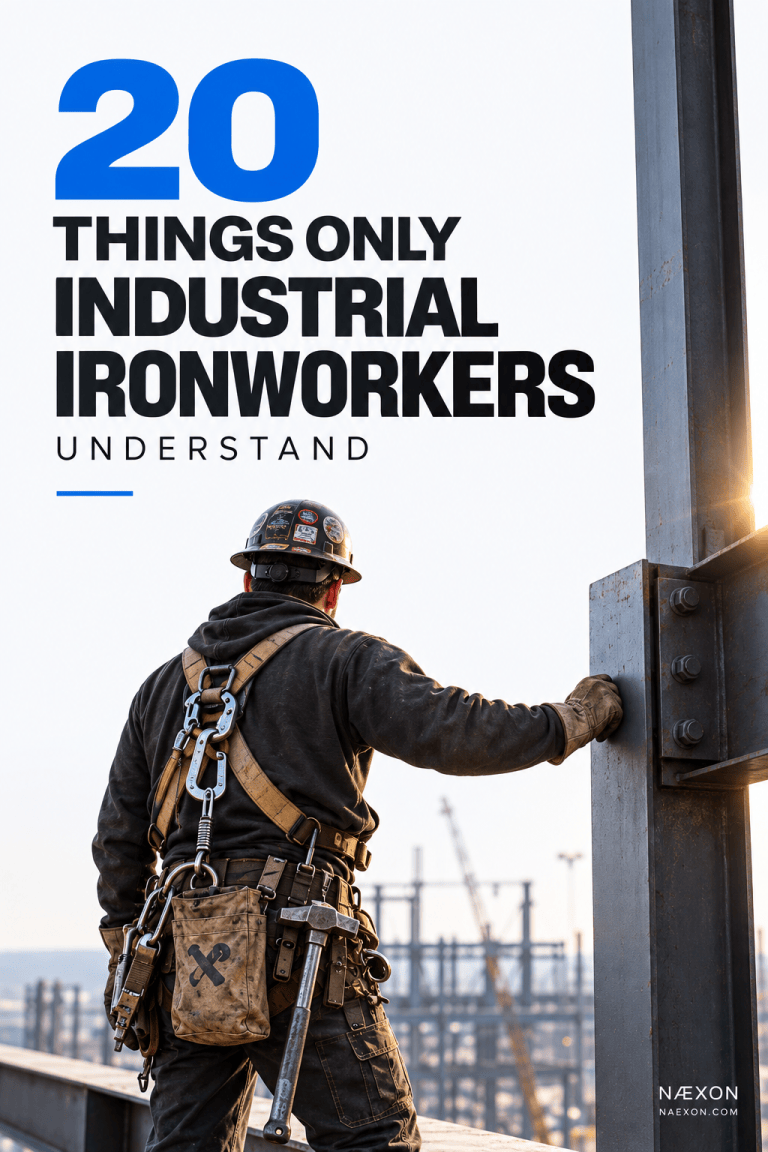
Industrial shutdowns—also known as turnarounds, outages, and maintenance outages—are some of the most lucrative opportunities available in the skilled trades. While many construction projects offer steady work, shutdowns often combine long hours, overtime, per diem, travel pay, and specialized work that can significantly increase a worker’s annual income.
For welders, pipefitters, millwrights, electricians, scaffold builders, ironworkers, boilermakers, and operators, a successful shutdown season can be the difference between earning an average wage and bringing home a six-figure income.
The challenge isn’t whether these jobs exist. It’s knowing where they happen, which industries pay the most, and how experienced shutdown workers consistently land the best opportunities.
Why Shutdowns Pay So Much
Unlike routine maintenance, shutdowns are carefully planned events where an entire facility—or major sections of it—are temporarily taken offline for inspections, repairs, equipment replacements, and upgrades. Every hour a refinery, chemical plant, or power station remains offline can cost hundreds of thousands or even millions of dollars in lost production.
Because time is money, companies hire large numbers of skilled tradespeople and schedule demanding work around the clock. Twelve-hour shifts are common, and seven-day workweeks are often expected until the project is complete.
That combination of urgency and specialized labor creates some of the highest-paying blue-collar opportunities in America.
Industries That Consistently Offer High-Paying Shutdowns
Not all shutdowns pay equally. Some industries consistently offer higher wages, more overtime, and better travel packages than others.
Oil Refineries
Refineries remain one of the most sought-after sectors for shutdown workers. Turnarounds involve everything from replacing piping systems and pressure vessels to exchanger maintenance, valve replacements, and major welding projects.
Workers commonly find:
- Extensive overtime
- Per diem opportunities
- Union and contractor positions
- Highly specialized work
- Strong demand for experienced craftsmen
For many traveling pipefitters and welders, refinery turnaround season is the highlight of the year.
Petrochemical Plants
Petrochemical facilities manufacture plastics, industrial chemicals, fertilizers, and countless products used every day. Their shutdowns often mirror refinery work but may include additional specialty equipment and process systems.
Because these plants operate continuously, planned maintenance windows are short, making experienced shutdown workers extremely valuable.
Nuclear Power Plants
Nuclear outages are among the highest-paying industrial projects in the country. These jobs typically require extensive background checks, radiation training, and strict safety procedures, but the compensation often reflects those additional requirements.
Experienced workers who qualify for nuclear outages frequently return year after year.
Fossil Fuel Power Plants
Coal and natural gas generating stations continue to perform major maintenance outages during scheduled seasons. Work often includes boiler repairs, turbine maintenance, piping upgrades, and structural repairs.
These outages create opportunities for:
- Pipefitters
- Boilermakers
- Millwrights
- Electricians
- Insulators
- Scaffold builders
LNG Facilities
Liquefied Natural Gas terminals continue expanding across the United States, creating some of the highest-paying industrial construction and maintenance work available today. Shutdowns at LNG facilities often require highly skilled craftsmen capable of working under strict quality standards.
Steel Mills
Major steel producers periodically shut down blast furnaces, rolling mills, and processing equipment for maintenance. These projects often involve heavy rigging, welding, mechanical repairs, and structural work performed under aggressive schedules.
Trades That Usually Earn the Most During Shutdown Season
While every project differs, these trades are consistently among the highest earners:
- Pipefitters
- Welders
- Boilermakers
- Millwrights
- Electricians
- Instrument Technicians
- Crane Operators
- Riggers
- Ironworkers
- Scaffold Builders
- Insulators
- NDT Technicians
Workers with multiple certifications often receive the first calls when staffing begins.
What Makes One Worker More Valuable Than Another?
The highest-paid shutdown craftsmen usually share several qualities.
They arrive with current certifications, understand refinery safety culture, require minimal supervision, work efficiently under pressure, and have reputations for producing quality work without sacrificing safety.
Foremen and superintendents often request dependable workers by name. In the shutdown world, your reputation frequently becomes your best résumé.
How to Get Hired for High-Paying Shutdowns
Landing these jobs starts long before the outage begins.
Maintain current certifications such as TWIC, OSHA training, NCCER credentials, welding qualifications, and any trade-specific licenses. Keep your résumé updated with shutdown experience and specialized skills.
Networking also matters. Many opportunities are filled through recommendations from previous foremen, coworkers, union halls, or industrial contractors before they are widely advertised.
Staying connected with reputable contractors and monitoring outage schedules throughout the year can dramatically increase your chances of landing premium projects.
Workers willing to travel generally have access to far more opportunities than those who limit themselves to one region.
Common Benefits Beyond Hourly Pay
Many shutdown jobs include benefits that substantially increase overall earnings.
These may include:
- Daily per diem
- Hotel accommodations
- Travel reimbursement
- Completion bonuses
- Retention bonuses
- Double-time on holidays
- Long overtime schedules
- Health and retirement benefits
- Repeat employment opportunities
When combined, these extras can make a significant difference in total annual income.
Is Shutdown Work Right for Everyone?
Shutdown work isn’t easy. Long shifts, travel, changing weather conditions, physically demanding tasks, and weeks away from family are part of the lifestyle.
But for workers who enjoy challenging projects, teamwork, and the opportunity to maximize their earnings, few career paths offer comparable rewards.
Many experienced craftsmen build entire careers by traveling from outage to outage, developing specialized skills that keep them in demand year after year.
Final Thoughts
America’s refineries, power plants, LNG terminals, petrochemical facilities, and heavy industrial sites rely on skilled shutdown workers to keep critical infrastructure operating safely and efficiently. The people who thrive in this environment combine craftsmanship, discipline, adaptability, and an unwavering commitment to safety.
Whether you’re just beginning your career or you’re chasing your next turnaround, investing in your skills, certifications, and professional reputation will open doors to the industry’s most rewarding opportunities.
At Næxon, we build premium workwear for the men and women who answer those calls—working long hours, traveling across the country, and keeping America’s industries running. Because when every shift counts, your gear should be ready to work as hard as you do.