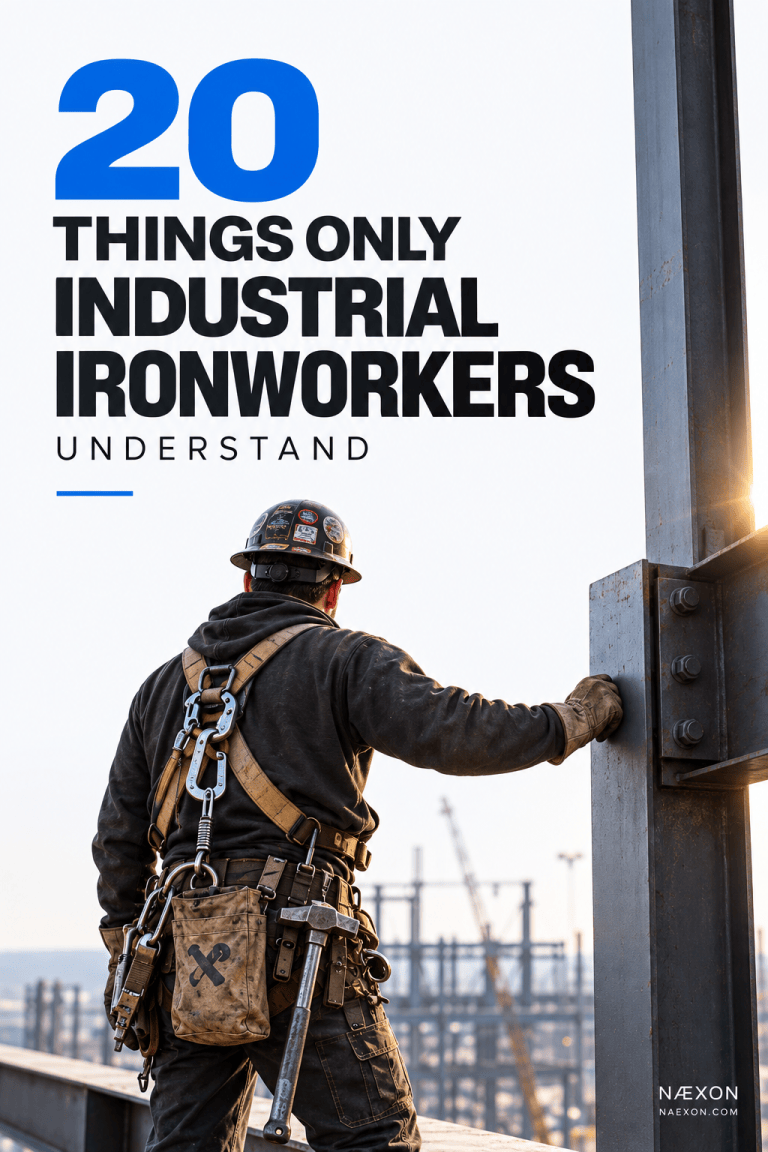
Few careers expose workers to the elements like pipeline construction.
Unlike many industrial jobs that take place inside manufacturing facilities or processing plants, pipeline projects often stretch across open farmland, mountains, forests, deserts, and remote rights-of-way where the weather can change dramatically throughout the day. Workers may begin their shift in freezing temperatures, spend the afternoon under intense summer heat, and finish in heavy rain or strong winds.
Because of these changing conditions, dressing properly isn’t simply about comfort. The clothing you wear affects your ability to work efficiently, stay focused, and reduce unnecessary fatigue during long shifts.
Experienced pipeline workers know that preparing for the weather begins long before the first piece of equipment starts moving.
Summer Heat Brings Its Own Challenges
Working outdoors during the summer places tremendous stress on the body.
High temperatures, direct sunlight, humidity, and physically demanding labor can quickly lead to dehydration and heat-related illnesses if workers aren’t properly prepared.
Many pipeline contractors require long-sleeve flame-resistant clothing even during the hottest months. While that may seem uncomfortable to someone new to the industry, quality FR garments are designed to provide protection while allowing airflow and helping manage moisture.
Choosing lightweight, breathable clothing that fits properly can make a significant difference over the course of a twelve-hour shift.
Just as important as clothing is maintaining proper hydration and taking scheduled breaks when conditions require them.
Cold Weather Requires Smart Layering
Winter pipeline work presents a completely different set of challenges.
Cold temperatures reduce flexibility, increase fatigue, and make simple tasks more difficult. Workers who aren’t dressed appropriately often spend more energy trying to stay warm than completing the job.
The key to staying comfortable isn’t wearing one heavy layer.
It’s wearing multiple layers that work together.
A proper layering system typically includes:
- A moisture-wicking base layer
- An insulating middle layer
- A durable outer layer appropriate for the weather
- Flame-resistant outerwear whenever required by the jobsite
Layering allows workers to adapt as temperatures rise throughout the day without sacrificing mobility.
Rain Doesn’t Stop Pipeline Construction
Pipeline crews are accustomed to working through less-than-perfect weather.
Light rain, muddy conditions, and wet ground are common realities on many projects. Waterproof outerwear helps keep workers dry while reducing the discomfort that comes from spending hours in soaked clothing.
Equally important are waterproof work boots with dependable traction. Slippery conditions increase the risk of falls, especially when climbing equipment or walking across muddy rights-of-way.
Remaining dry also helps workers maintain body temperature during cooler months.
Wind Can Be More Dangerous Than Temperature
Strong winds often receive less attention than heat or cold, but they can make outdoor work considerably more difficult.
Wind increases heat loss during the winter and accelerates dehydration during the summer. It also affects visibility by blowing dust and debris across active construction areas.
Proper outerwear that blocks wind while allowing freedom of movement helps workers remain productive without overheating.
Your Boots Work Through Every Season
Pipeline workers often spend more time on their feet than they realize.
Walking uneven terrain, climbing in and out of trenches, crossing rocky ground, and standing for long periods place constant demands on footwear.
Seasonal conditions can make those demands even greater.
In hot weather, breathable boots help improve comfort.
During colder months, insulated options may be more appropriate depending on the project.
Regardless of the season, quality boots should provide reliable support, durable construction, and traction suitable for changing terrain.
Don’t Forget the Small Details
Minor accessories often have a major impact on comfort.
Items such as neck gaiters, moisture-wicking socks, insulated gloves, cooling towels, and appropriate headwear can make long shifts significantly more manageable without interfering with required PPE.
Experienced workers rarely underestimate the value of these small additions because they understand that staying comfortable helps maintain concentration throughout the day.
Inspect Your Clothing Regularly
Extreme weather accelerates wear on work clothing.
Repeated exposure to sunlight, moisture, mud, freezing temperatures, and constant washing gradually affects every garment.
Inspect clothing regularly for signs such as:
- Torn seams
- Worn fabric
- Damaged cuffs
- Broken closures
- Loose stitching
- Excessive fading
Replacing worn clothing before major failures occur helps maintain both comfort and professionalism.
Dress for the Conditions—Not the Forecast
Weather forecasts provide a starting point, but experienced pipeline workers know conditions can change quickly.
Morning temperatures rarely match afternoon temperatures, and unexpected storms are common on large pipeline spreads.
Carrying extra layers, rain gear, spare gloves, and dry clothing in your truck allows you to adapt without interrupting your workday.
Preparation often separates experienced craftsmen from everyone else.
Final Thoughts
Pipeline construction continues through every season because America’s energy infrastructure depends on it. Whether crews are working under scorching summer skies or through freezing winter mornings, the right clothing helps them remain comfortable, productive, and prepared for changing conditions.
Quality workwear is about more than appearance. It’s another piece of equipment that supports the demanding work pipeline professionals perform every day.
At Næxon, we believe dependable workwear should perform in every season. From lightweight flame-resistant shirts designed for summer heat to durable apparel built for harsh winter conditions, our goal is simple: build gear worthy of the people who keep America’s pipelines moving.
Related Articles
Pillar Article
- The Complete Guide to Pipeline Workwear & PPE
Related Articles
- What to Wear on a Pipeline Construction Job
- Essential PPE Every Pipeline Worker Should Carry
- Why Flame-Resistant Clothing Is Important for Pipeline Workers
- Common Pipeline Safety Hazards and the PPE That Helps Protect You
- The Evolution of Pipeline Workwear: From Denim to Modern FR Clothing
NÆXON — BUILT FOR THE HARDEST WORKERS ON EARTH.