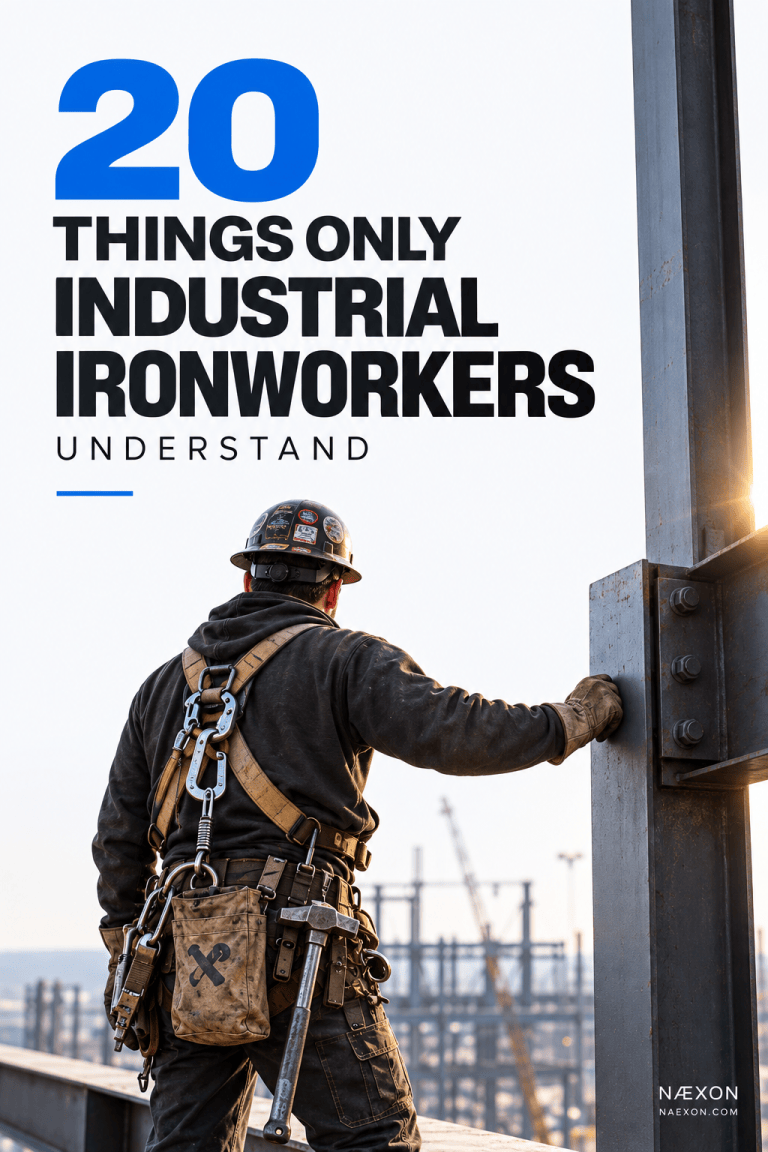
Pipeline construction is unlike almost any other job in the skilled trades.
One day you may be welding miles from the nearest town. The next, you’re lowering pipe into a trench, working around heavy equipment, or assembling a compressor station. Conditions constantly change, but one thing never does—your workwear has to perform.
Pipeline crews face long shifts, rough terrain, unpredictable weather, heavy machinery, and demanding physical labor. Every piece of clothing you wear should help you stay comfortable, productive, and protected throughout the day.
Whether you’re a pipefitter, welder, equipment operator, laborer, inspector, electrician, or foreman, choosing the right workwear isn’t about style. It’s about being prepared for one of the toughest work environments in America.
Every Pipeline Job Starts with the Right Clothing
Before the first section of pipe is unloaded or the first weld is made, every worker should arrive dressed for the conditions.
Most pipeline projects require flame-resistant clothing, a hard hat, safety glasses, gloves, and sturdy work boots. Depending on the project, additional PPE may also be required.
Always follow the contractor’s safety requirements and the job site’s PPE policies before beginning work.
Flame-Resistant Clothing Is Often Required
Many oil and gas pipeline projects involve working around hydrocarbons, fuels, natural gas, and other materials that can create fire hazards.
For that reason, FR clothing is commonly required.
A quality FR shirt should provide:
- Comfortable fit
- Freedom of movement
- Durable construction
- Reinforced stitching
- Breathable fabric
- Practical chest pockets
- Long sleeves for added protection
Workers spend thousands of hours wearing these garments, making comfort almost as important as durability.
Choose Boots Built for Long Days
Pipeline workers spend much of their day walking.
Uneven terrain, mud, gravel roads, rocky rights-of-way, steel pipe, and excavation sites quickly expose weaknesses in poor-quality footwear.
Look for boots that offer:
- Slip-resistant soles
- Durable construction
- Proper ankle support
- Comfortable insoles
- Safety toe protection when required
- Electrical hazard protection where appropriate
A dependable pair of boots often becomes one of the most valuable tools on the job.
Dress for the Weather
Pipeline projects continue through many different seasons.
Workers may experience:
- Triple-digit summer heat
- Heavy rain
- Snow
- Strong winds
- Freezing mornings
- Humid afternoons
Layering allows workers to adjust throughout the day while maintaining required PPE.
Moisture-wicking base layers, quality outerwear, and weather-appropriate accessories can make long shifts significantly more comfortable.
Gloves Matter More Than Most People Think
Pipeline workers constantly handle steel pipe, chain slings, rigging equipment, grinders, welding leads, and hand tools.
A quality pair of gloves helps improve grip while protecting hands from cuts, abrasions, and minor burns.
Different tasks require different glove styles, so many experienced workers carry more than one pair.
Protect Your Eyes Every Shift
Grinding, cutting, welding, excavation, pipe cleaning, and equipment operation all create airborne hazards.
Safety glasses should remain on whenever required, even during routine tasks.
Many workers also choose tinted lenses for bright outdoor conditions while switching to clear lenses when working indoors or after sunset.
High-Visibility Clothing Saves Lives
Heavy equipment is constantly moving on pipeline spreads.
Excavators, sidebooms, loaders, cranes, trucks, and forklifts often operate in close proximity to ground personnel.
High-visibility clothing helps equipment operators identify nearby workers more quickly, especially in dusty conditions or during low-light hours.
Keep Your Workwear in Good Condition
Pipeline work is demanding on clothing.
Inspect garments regularly for:
- Torn fabric
- Loose stitching
- Burn holes
- Broken pearl snaps or buttons
- Worn cuffs
- Thin areas
- Permanent contamination
Replacing damaged workwear before it fails helps maintain both comfort and professionalism.
Invest in Clothing That Works as Hard as You Do
Experienced pipeline workers understand the value of dependable equipment.
Reliable boots reduce fatigue.
Comfortable FR shirts improve mobility.
Quality gloves last longer.
Well-built workwear allows you to focus on the job instead of constantly adjusting your clothing or replacing worn-out gear.
Over time, investing in quality often costs less than repeatedly replacing cheaper alternatives.
Final Thoughts
Pipeline construction demands strength, endurance, skill, and preparation. The right workwear won’t make the job easy, but it can make every shift safer, more comfortable, and more productive.
From flame-resistant clothing and dependable boots to quality gloves and eye protection, every piece of equipment contributes to your ability to perform at your best.
At Næxon, we design workwear for the people building America’s energy infrastructure. Whether you’re welding, fitting pipe, operating equipment, or leading a crew, dependable gear is one more tool you can count on every day.
Related Articles
📖 Pillar Article
- The Complete Guide to Pipeline Workwear & PPE
Related Articles
- Essential PPE Every Pipeline Worker Should Carry
- Why Flame-Resistant Clothing Is Important for Pipeline Workers
- How to Dress for Pipeline Work in Extreme Weather
- Common Pipeline Safety Hazards and the PPE That Helps Protect You
- The Evolution of Pipeline Workwear: From Denim to Modern FR Clothing
NÆXON — BUILT FOR THE HARDEST WORKERS ON EARTH.