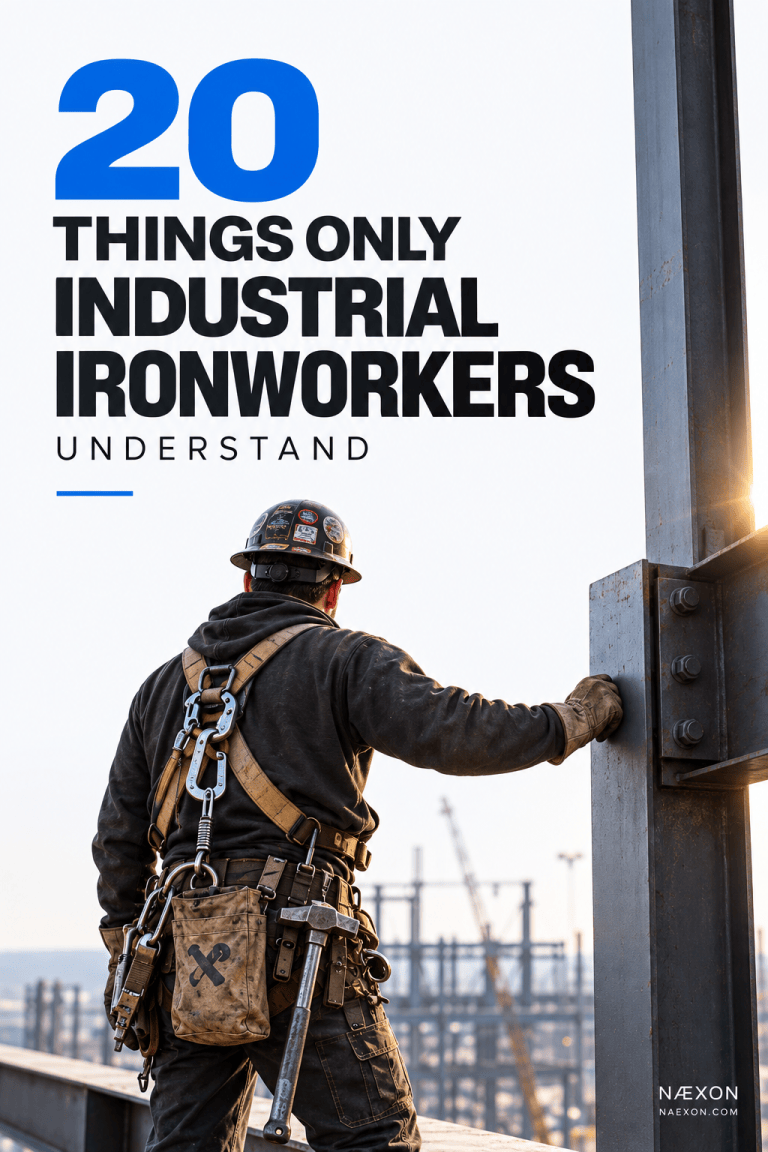
At first glance, an industrial work shirt might not look much different from an ordinary button-up. To someone outside the trades, it’s just another long-sleeve shirt. But to a pipefitter working a refinery shutdown, a welder fabricating stainless steel, or an electrician pulling cable inside a power plant, every stitch, seam, pocket, and snap serves a purpose.
Industrial workwear isn’t designed by fashion designers chasing trends. It’s engineered by decades of experience, safety standards, and feedback from workers who spend 10 to 16 hours in some of the harshest environments on Earth.
The difference isn’t cosmetic. It’s science.
Understanding why industrial work shirts are built differently helps explain why experienced tradesmen often invest in premium workwear instead of replacing cheap shirts every few months.
Built Around Movement, Not Standing Still
Most casual clothing is designed for walking, sitting, or everyday activities.
Industrial workers rarely spend their day doing any of those.
A pipefitter may climb ladders dozens of times, crawl under equipment, reach overhead to tighten flange bolts, kneel inside pipe racks, and carry heavy tools throughout a twelve-hour shift.
If a shirt restricts movement, workers become fatigued much faster.
That’s why quality industrial shirts often feature:
- Action back construction
- Shoulder pleats
- Longer tails that stay tucked in
- Gusseted side seams
- Roomier sleeve articulation
These design elements reduce resistance while moving, allowing the body to work naturally instead of constantly fighting tight clothing.
Fabric That Works With the Worker
Every fiber in an industrial work shirt has a job.
Unlike ordinary cotton shirts, industrial fabrics are selected for a balance of:
- Durability
- Breathability
- Abrasion resistance
- Heat management
- Moisture control
- Flame resistance (for FR garments)
For flame-resistant clothing, manufacturers use specialized fibers or treatments that help reduce burn injuries by limiting ignition and preventing the fabric from continuing to burn after the heat source is removed.
The goal isn’t to make workers fireproof. The goal is to buy valuable seconds that can dramatically reduce injury during a flash fire or arc flash event.
Why Industrial Shirts Use Reinforced Stitching
One of the biggest reasons inexpensive work shirts fail isn’t the fabric.
It’s the seams.
Every time a worker reaches overhead or lifts heavy material, stress is placed on specific areas:
- Shoulders
- Underarms
- Side seams
- Cuffs
- Elbows
- Pocket corners
Industrial shirts often use:
- Double stitching
- Triple stitching
- Bar tacks
- Reinforced stress points
- Heavy-duty thread
These construction methods distribute force across a larger area, reducing the chance of ripped seams during demanding work.
It’s the same engineering concept used in climbing harnesses and heavy-duty lifting slings—spread the load instead of concentrating it in one weak spot.
The Purpose Behind Pearl Snaps
Many people assume pearl snaps are simply a Western fashion statement.
The reality is much more practical.
Pearl snaps can often be opened more quickly than traditional buttons if the shirt becomes caught on equipment or needs to be removed rapidly during an emergency.
They are also easier to operate while wearing gloves and tend to be faster to fasten throughout a long workday.
That practical design is one reason pearl snap shirts remain popular across refineries, pipelines, fabrication shops, ranches, and oilfields.
Two Chest Pockets Are More Than Storage
Industrial shirts have featured dual chest pockets for generations.
Why?
Because workers constantly need quick access to small essentials.
Depending on the trade, those pockets may carry:
- Pens
- Markers
- Soapstone
- Inspection mirrors
- Flashlights
- Small notebooks
- Weld gauges
- Earplugs
- Measurement tools
Many premium work shirts also include dedicated pen slots to keep writing tools upright and prevent them from shifting during movement.
Small design details like these save time throughout the day by keeping frequently used items within easy reach.
Longer Sleeves Mean Better Protection
A casual shirt may fit well in an office.
But industrial work requires full coverage.
Longer sleeves help:
- Reduce sun exposure
- Protect against sparks
- Minimize cuts and abrasions
- Reduce contact with hot surfaces
- Improve compatibility with gloves and other PPE
Many industrial workers roll their sleeves only when the task allows. During welding, grinding, or work around energized equipment, full-length sleeves provide an important additional layer of protection.
Collar Design Matters More Than You Think
The collar isn’t just decorative.
It helps shield the neck from:
- UV exposure
- Flying debris
- Grinding sparks
- Minor abrasions
- Heat
A properly structured collar also keeps its shape after repeated washing, helping workers maintain a professional appearance on jobsites where clients, inspectors, and supervisors are present.
Color Choices Have Practical Reasons
Industrial work shirts aren’t available in certain colors by accident.
Common colors include:
- Navy
- Gray
- Khaki
- Military Green
- Black
These shades help hide grease, dirt, and stains while maintaining a cleaner appearance over the course of a long shift.
Lighter colors are often preferred in extremely hot environments because they absorb less solar heat, while darker colors may better conceal grime in fabrication shops and maintenance settings.
Flame-Resistant Shirts Add Another Layer of Engineering
FR work shirts are built differently from standard industrial shirts.
Every component is carefully considered, including:
- Fabric selection
- Thread
- Closures
- Labels
- Construction methods
High-quality FR garments are designed so the entire system works together to provide protection during thermal hazards.
That engineering is why certified FR clothing undergoes rigorous testing before it reaches workers.
Comfort Is Actually a Safety Feature
Many workers think comfort is simply a luxury.
In reality, it directly affects safety.
When clothing:
- Restricts movement
- Causes overheating
- Rubs constantly
- Fits poorly
Workers become distracted and fatigued.
Fatigue increases mistakes.
Mistakes increase accidents.
A properly engineered industrial work shirt helps reduce unnecessary physical stress, allowing workers to focus on the task instead of constantly adjusting uncomfortable clothing.
Why Experienced Tradesmen Notice the Difference
Ask someone who’s worked twenty years in refineries or pipelines.
They can usually tell within minutes whether a shirt was designed for real industrial work or simply made to look like it.
They notice:
- How the shoulders move
- Whether the sleeves ride up
- If the shirt stays tucked
- How well it breathes
- Whether the seams twist after washing
- If the cuffs interfere with gloves
- Whether the pockets are actually useful
Those small differences add up over thousands of hours on the job.
That’s why experienced craftsmen often become loyal to workwear that consistently performs under demanding conditions.
Final Thoughts
Industrial work shirts represent decades of engineering, field testing, and practical problem-solving. Every reinforced seam, articulated sleeve, dual chest pocket, pearl snap, and durable fabric choice exists because workers needed clothing that could withstand real jobsite conditions—not just look good on a store shelf.
The next time you pull on a quality work shirt before heading to a refinery, pipeline, fabrication shop, or power plant, remember that you’re wearing more than fabric. You’re wearing equipment designed to move with you, protect you, and keep performing through long shifts, harsh environments, and years of hard work.
At Næxon, we believe industrial workwear should earn its place on the jobsite every single day. That’s why we focus on designing flame-resistant apparel that combines durability, comfort, and practical features for the workers who build, maintain, and power America.
Suggested Internal Links
- The Complete Guide to Flame-Resistant (FR) Clothing
- Why Industrial Workers Wear Pearl Snap Shirts
- The Anatomy of a Work Shirt: Every Stitch, Pocket, and Feature Explained
- How to Choose the Right FR Shirt for Your Trade
- The Hidden Cost of Cheap FR Clothing