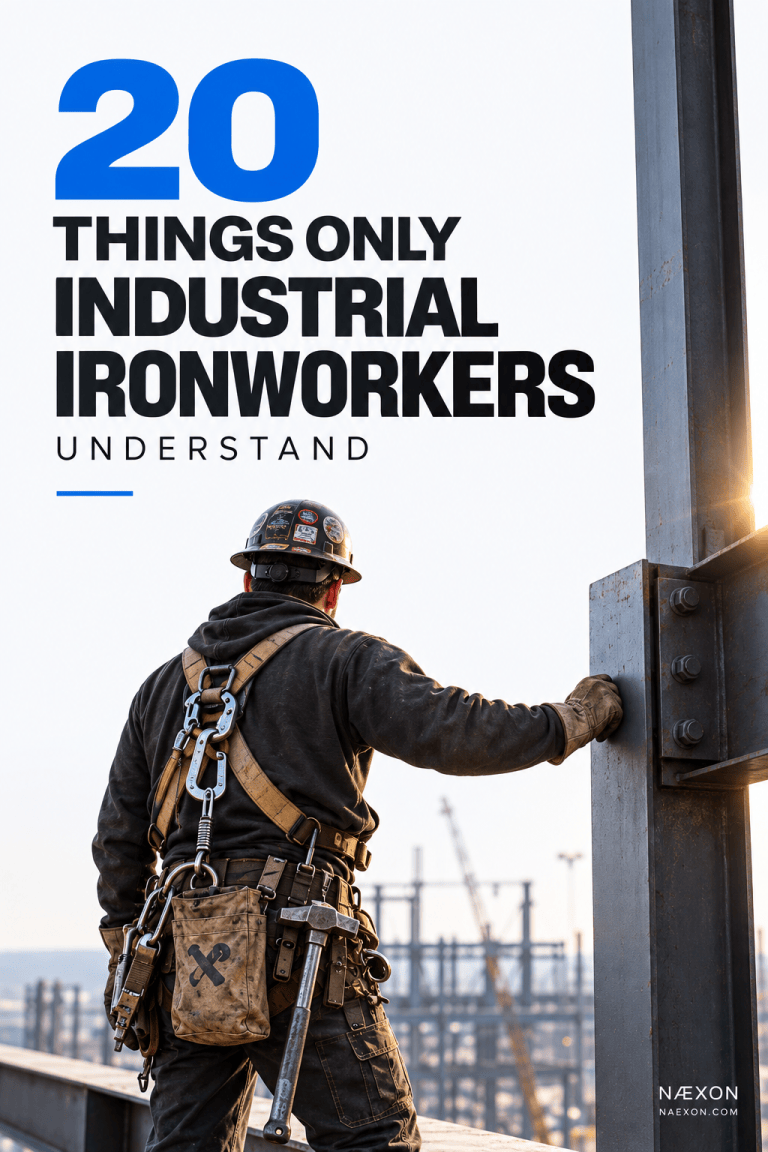
Power plants are among the most complex industrial facilities in the world. Every day, thousands of skilled professionals work around boilers, turbines, generators, electrical systems, pumps, piping, valves, and high-pressure steam systems to keep electricity flowing to millions of homes and businesses.
Whether the facility is powered by natural gas, coal, nuclear energy, biomass, or another fuel source, the work demands precision, experience, and a strong commitment to safety. While advanced engineering and strict operating procedures help reduce risk, personal protective equipment remains one of the most important layers of protection available to workers.
PPE is much more than a requirement listed during orientation. It’s equipment workers rely on every day to perform their jobs with confidence in environments where conditions can change quickly.
Whether you’re a pipefitter, millwright, welder, electrician, instrument technician, mechanic, operator, inspector, or contractor, arriving with the proper equipment is one of the first steps toward a safe and productive shift.
Flame-Resistant Clothing
One of the most recognizable pieces of PPE inside many power plants is flame-resistant clothing.
Workers performing maintenance, inspections, outages, and construction activities are frequently required to wear FR garments because they provide an additional level of protection where thermal hazards may exist.
Today’s flame-resistant clothing is designed not only for protection but also for comfort. Lightweight fabrics, reinforced construction, breathable materials, and improved mobility allow workers to perform physically demanding tasks throughout long shifts without sacrificing durability.
Because many maintenance outages involve twelve-hour workdays for weeks at a time, comfortable workwear quickly becomes an important part of maintaining productivity.
Hard Hats Protect More Than You Think
Power plants are full of elevated work areas, overhead lifting operations, structural steel, scaffolding, piping systems, and maintenance activities.
Head protection helps reduce the risk of injury from falling objects and accidental impacts while moving throughout the facility.
Hard hats should be inspected regularly for cracks, excessive wear, damaged suspension systems, or signs of aging. A properly fitted helmet remains comfortable throughout the workday while providing dependable protection whenever it’s needed.
Safety Glasses Are Worn Throughout the Plant
Nearly every maintenance activity creates the potential for airborne particles.
Grinding, drilling, machining, cutting, pressure washing, welding preparation, and equipment maintenance all present hazards that make eye protection essential.
Workers should inspect safety glasses before each shift, replacing scratched or damaged lenses that reduce visibility.
Many experienced craftsmen keep both clear and tinted lenses available so they can comfortably move between indoor work areas and bright outdoor conditions without sacrificing protection.
Gloves Should Match the Job
No single glove is ideal for every task performed inside a power plant.
Maintenance crews often move between welding, rigging, equipment repairs, valve maintenance, material handling, and precision mechanical work throughout the same shift.
For that reason, many experienced workers carry multiple styles of gloves depending on the work being performed.
Common glove applications include:
- General material handling
- Welding operations
- Precision mechanical work
- Rigging and lifting
- Cut-resistant applications
Selecting the proper glove for each task improves both protection and productivity.
Work Boots Support Every Step
Power plants are much larger than many people realize.
Walking long distances between maintenance areas, climbing stair towers, working on steel grating, and standing for extended periods all place significant demands on footwear.
A dependable pair of work boots helps reduce fatigue while providing traction and stability across a variety of industrial surfaces.
Experienced workers often say that boots become one of the most important investments they make because they’re worn every hour of every shift.
Hearing Protection Deserves Daily Attention
Power generation facilities contain numerous sources of high noise.
Steam releases, turbines, compressors, generators, pumps, pneumatic tools, and maintenance activities can all expose workers to sound levels capable of causing long-term hearing damage.
Because hearing loss develops gradually, it’s easy to overlook until permanent damage has already occurred.
Keeping hearing protection readily available and wearing it consistently helps protect one of the most valuable tools any tradesman has.
Respiratory Protection May Be Required
Certain maintenance activities require workers to wear respiratory protection.
Cleaning operations, insulation removal, blasting, confined space entry, and work around airborne contaminants may all require specialized respiratory equipment depending on the task.
Workers should always follow the plant’s safety procedures regarding respirator selection, fit testing, inspection, and use.
Properly fitted equipment is essential for respiratory protection to perform as intended.
PPE Should Be Inspected Before Every Shift
Quality equipment only performs well when it’s properly maintained.
Before beginning work, workers should inspect their PPE for damage or excessive wear.
Pay particular attention to:
- Torn FR clothing
- Cracked hard hats
- Scratched eye protection
- Worn gloves
- Damaged boot soles
- Missing reflective material on high-visibility garments
These inspections require only a few minutes but can help identify equipment that should be repaired or replaced before entering the work area.
Professional Workers Prepare Before the Job Begins
Experienced power plant workers understand that preparation starts well before the first wrench is turned.
Showing up with dependable PPE demonstrates professionalism, respect for the job, and commitment to the people working beside you.
The most successful craftsmen don’t wait until equipment fails.
They inspect it, maintain it, and replace it before problems develop.
The same philosophy applies to personal protective equipment.
Final Thoughts
Power plants rely on highly skilled professionals who perform demanding work in some of the most technically advanced industrial environments in the world. Proper PPE supports those workers by helping them stay protected, comfortable, and focused throughout every shift.
From flame-resistant clothing and dependable work boots to eye protection, gloves, and hearing protection, every piece of equipment contributes to a safer workplace.
At Næxon, we believe America’s power plant workers deserve workwear built for real industrial conditions. Our mission is to create durable flame-resistant apparel and dependable workwear that stands up to long hours, challenging environments, and the hardworking professionals who keep the lights on.
Related Articles
- The Complete Guide to Power Plant Workwear
- What to Wear During Power Plant Maintenance Outages
- Why Flame-Resistant Clothing Is Essential in Power Plants
- Common Hazards Inside a Power Plant and the PPE That Helps Protect You
- Steam, Heat, and High Pressure: Why Power Plant Workwear Must Be Built Differently
- The Evolution of Power Plant Workwear: From Heavy Cotton Uniforms to Modern FR Apparel
NÆXON — BUILT FOR THE HARDEST WORKERS ON EARTH.