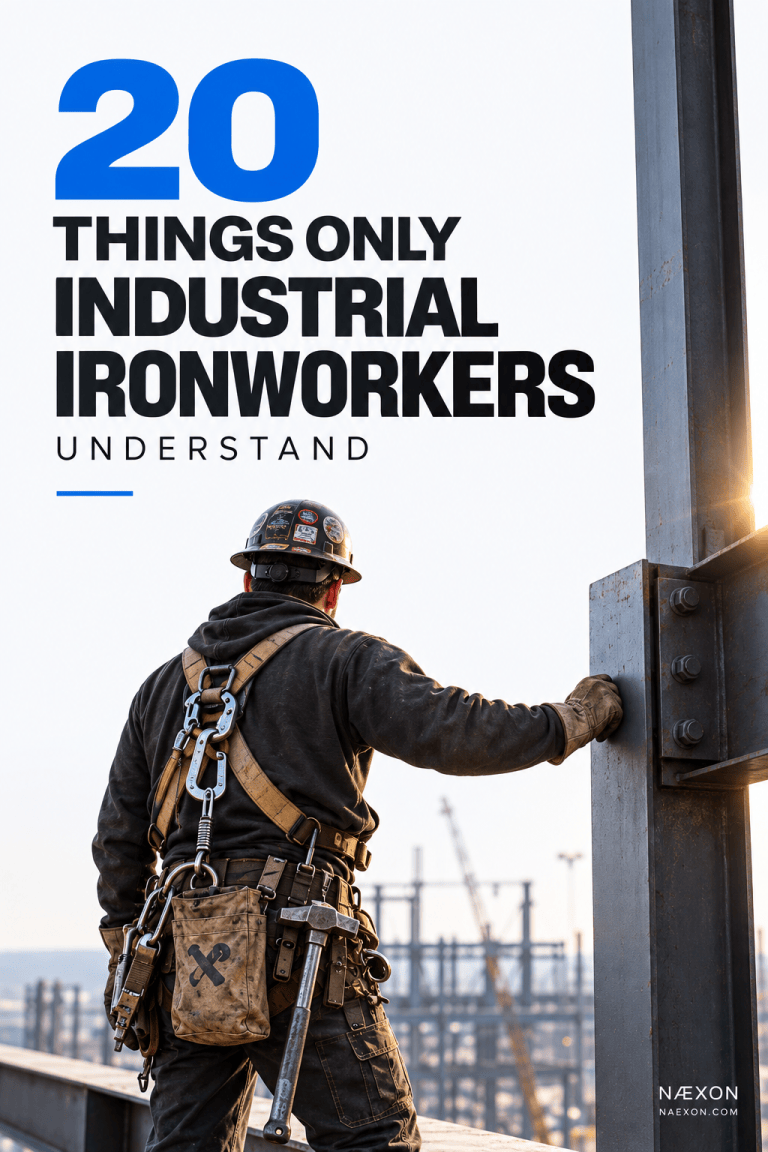
Every year, power plants across the country schedule maintenance outages to inspect, repair, and upgrade the equipment that keeps electricity flowing to millions of homes and businesses. During these outages, thousands of skilled craftsmen—including pipefitters, millwrights, welders, electricians, boilermakers, scaffold builders, operators, and inspectors—work around the clock to complete critical repairs before the plant returns to service.
Unlike routine maintenance, outage work moves at an accelerated pace. Crews often work twelve-hour shifts, seven days a week, for weeks at a time. Every hour matters because extended downtime can cost utilities hundreds of thousands—or even millions—of dollars.
Working efficiently starts with arriving prepared, and that preparation begins with wearing the right clothing and personal protective equipment.
Outage Work Demands More from Your Clothing
Power plants present a unique combination of industrial hazards.
Workers may spend one part of the day climbing multiple flights of stairs inside a boiler, another performing maintenance around turbines, and later assisting with piping systems or structural repairs. Throughout the shift, they may encounter high temperatures, confined spaces, elevated work areas, rotating equipment, heavy rigging operations, and electrically energized systems.
Clothing that performs well in one environment may become uncomfortable or restrictive after several hours of demanding work.
That’s why experienced outage workers choose workwear built specifically for industrial environments rather than ordinary work clothes.
Flame-Resistant Clothing Is Often Required
Many maintenance outages require workers to wear flame-resistant clothing throughout the project.
Although individual plant requirements vary, FR garments are commonly worn because they provide an added level of protection in environments where thermal hazards may exist. Long-sleeve FR shirts and matching work pants have become standard on many outage projects throughout the power generation industry.
Modern flame-resistant clothing has also become significantly more comfortable than earlier generations. Better fabrics, improved construction, and increased mobility allow workers to perform physically demanding jobs without constantly adjusting or fighting their clothing.
Comfort becomes increasingly important when you’re wearing the same garments for twelve hours or more each day.
Your Boots May Be Your Most Important Tool
Power plant maintenance involves far more walking than many people realize.
Large generating stations can cover hundreds of acres, and workers often travel long distances between maintenance areas, shops, laydown yards, and equipment locations. Add countless stairways, grated platforms, ladders, and uneven industrial surfaces, and it’s easy to understand why dependable footwear is essential.
Quality work boots should provide stability, support, traction, and comfort throughout long shifts. Workers who invest in reliable boots often discover they experience less fatigue by the end of the day, allowing them to remain productive throughout extended outage schedules.
Don’t Overlook Your Gloves
Hands are constantly exposed during outage work.
Whether handling pipe, rigging equipment, grinders, valves, hand tools, scaffolding components, or welding materials, workers depend on quality gloves to improve grip while helping reduce cuts, abrasions, and minor burns.
Different tasks often require different glove styles, which is why many experienced craftsmen carry multiple pairs throughout the outage.
Having the right glove available for the right task is often more effective than trying to make one pair perform every job.
Eye and Hearing Protection Matter Every Day
Maintenance outages generate continuous activity.
Grinding, cutting, welding, hammering, machining, compressed air tools, and heavy equipment all contribute to an environment where eye and hearing protection are part of everyday work.
Safety glasses should remain clean, comfortable, and free from damage so workers can maintain clear vision throughout the shift. Likewise, hearing protection should always be available whenever noise levels increase.
Protecting your vision and hearing isn’t just about today’s work—it’s about preserving them throughout an entire career.
Dress for Changing Conditions
Power plants create their own environments.
Some work areas become extremely warm because of nearby boilers, steam systems, or operating equipment, while others remain cool throughout the year. Maintenance crews frequently move between indoor and outdoor locations, making temperature changes a normal part of the workday.
A layered clothing system allows workers to adjust as conditions change without sacrificing mobility or required protective equipment.
Planning for changing conditions before the shift begins helps eliminate unnecessary distractions later in the day.
Inspect Your Workwear Before Every Shift
Reliable workwear deserves the same attention given to hand tools and other equipment.
Before reporting to work, inspect your clothing for signs of damage or excessive wear.
Look for issues such as:
- Torn seams
- Burn holes
- Thin fabric
- Loose stitching
- Damaged cuffs
- Missing buttons or pearl snaps
Replacing worn garments before they fail helps maintain both comfort and professionalism throughout the outage.
Comfort Improves Productivity
During a major outage, workers spend weeks performing physically demanding tasks under strict schedules.
Clothing that fits properly, breathes well, and allows unrestricted movement helps reduce unnecessary fatigue over the course of those long projects.
Experienced craftsmen understand that quality workwear isn’t about appearance.
It’s another tool that supports productivity every hour of every shift.
When clothing performs well, workers can devote their full attention to the job instead of constantly adjusting sleeves, replacing worn garments, or dealing with discomfort.
Final Thoughts
Power plant maintenance outages represent some of the most demanding projects in the industrial world. Success depends on preparation, teamwork, craftsmanship, and dependable equipment.
The clothing you wear becomes part of that equipment. Flame-resistant garments, dependable boots, quality gloves, and properly maintained PPE all contribute to a safer and more productive work environment.
At Næxon, we believe the men and women who maintain America’s power plants deserve workwear engineered for the same reliability and performance they bring to every outage. Because when the schedule is tight and the work is demanding, dependable gear makes a difference.
Related Articles
- The Complete Guide to Power Plant Workwear
- Essential PPE Every Power Plant Worker Should Carry
- Why Flame-Resistant Clothing Is Essential in Power Plants
- Common Hazards Inside a Power Plant and the PPE That Helps Protect You
- Steam, Heat, and High Pressure: Why Power Plant Workwear Must Be Built Differently
- The Evolution of Power Plant Workwear: From Heavy Cotton Uniforms to Modern FR Apparel
NÆXON — BUILT FOR THE HARDEST WORKERS ON EARTH.