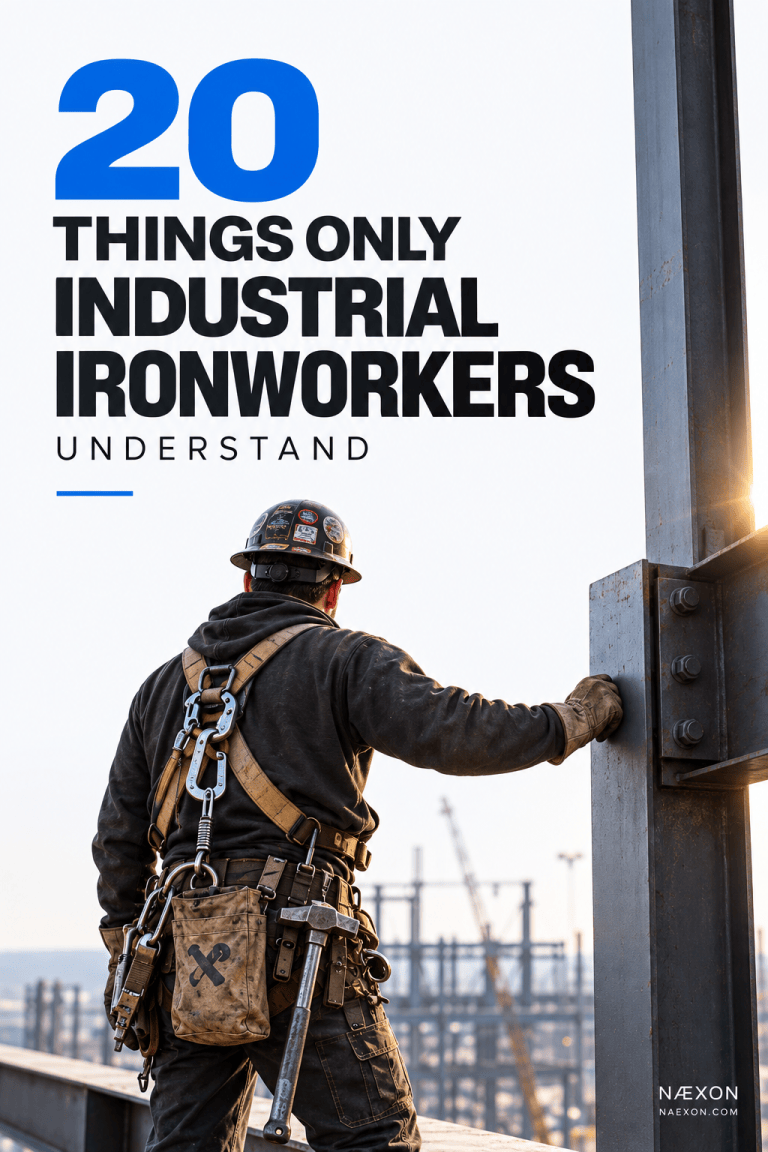
Power plants are unlike almost any other industrial workplace.
Inside a single generating station, workers may encounter towering boilers, miles of insulated piping, massive steam turbines, electrical distribution systems, cooling equipment, pumps, condensers, structural steel, and countless pieces of rotating machinery. Every system operates together under carefully controlled conditions to generate electricity twenty-four hours a day.
Maintaining that equipment requires skilled craftsmen who spend long hours climbing stairs, working in confined spaces, carrying tools, lifting materials, inspecting equipment, and performing precision maintenance throughout the facility.
Because the work is so demanding, the clothing workers wear must do much more than simply look professional.
It has to perform.
Power Plants Create Demanding Working Conditions
A maintenance technician may begin the morning inside a cool turbine building before moving into a boiler area where temperatures are significantly higher.
An outage crew might spend hours working on elevated platforms before relocating to ground level for valve repairs or piping modifications.
Conditions change constantly.
The workwear that performs well in these environments must allow workers to move freely while remaining comfortable throughout long shifts.
Poorly designed clothing quickly becomes a distraction that reduces productivity and increases fatigue.
Heat Is Part of the Job
Even when generating equipment has been shut down for maintenance, many areas inside a power plant remain warm.
Boilers, steam lines, insulation systems, process equipment, and surrounding structures often retain heat long after operations have stopped.
Workers performing physically demanding maintenance in these environments need clothing that allows airflow while remaining durable enough to withstand industrial conditions.
Modern flame-resistant garments are designed with this balance in mind.
Improved fabric technology allows workers to remain more comfortable without sacrificing the durability required on demanding jobsites.
Freedom of Movement Matters
Power plant maintenance is rarely performed while standing still.
Workers climb ladders, crawl beneath equipment, kneel beside piping, reach overhead, carry tools, and maneuver through tight mechanical spaces throughout the day.
Restrictive clothing limits movement and forces workers to fight their workwear instead of focusing on the task.
Quality industrial garments are designed with mobility in mind so they move naturally with the worker rather than against them.
Comfort may seem like a luxury until you’ve spent twelve consecutive hours performing maintenance during a major outage.
Durability Is Non-Negotiable
Industrial maintenance places constant stress on clothing.
Contact with structural steel, piping systems, valves, scaffolding, equipment, ladders, and abrasive surfaces gradually wears down even well-made garments.
For this reason, quality workwear is often constructed with reinforced stitching, durable fabrics, strong closures, and stress-point reinforcement designed specifically for industrial use.
Experienced craftsmen understand that replacing worn clothing less frequently often saves money over time.
Reliable equipment usually proves to be the better investment.
Long Outages Test Every Piece of Equipment
Many planned outages continue for several weeks.
Workers may log sixty to eighty-four hours every week until maintenance is complete.
Few pieces of equipment experience more use during that time than work clothing.
A dependable shirt should remain comfortable after repeated washing, maintain its fit throughout the project, and continue performing through countless hours of physical work.
The same expectations workers place on their tools often apply to the clothing they wear every day.
Practical Features Make a Difference
Small design details often become important after weeks of continuous work.
Workers appreciate clothing that provides secure storage, dependable closures, comfortable cuffs, and reinforced construction in areas that receive the most wear.
Many experienced tradesmen quickly notice the difference between garments designed specifically for industrial work and clothing originally intended for lighter-duty applications.
The best workwear quietly does its job without demanding attention.
Every Trade Depends on Reliable Workwear
Power plant maintenance brings together many skilled professions.
Pipefitters repair high-pressure piping systems.
Millwrights rebuild turbines and rotating equipment.
Electricians maintain generators and electrical systems.
Boilermakers repair pressure vessels and boilers.
Welders fabricate and repair critical components.
Scaffold builders create safe access to difficult work areas.
Although each trade performs different work, all rely on clothing capable of handling demanding industrial environments.
Dependable workwear becomes common ground shared by every craft.
Clothing Should Support Productivity
Workers perform their best when equipment functions properly.
That includes workwear.
Garments that remain comfortable, fit correctly, and allow unrestricted movement help reduce unnecessary distractions throughout the shift.
When workers no longer think about their clothing, they can concentrate completely on performing quality work safely and efficiently.
That’s exactly how industrial workwear should perform.
The Future of Power Plant Workwear
As fabric technology continues to improve, workwear continues evolving alongside it.
Manufacturers continue developing lighter materials, improved moisture management, stronger construction techniques, and better ergonomic designs that help workers remain comfortable without compromising durability.
Future workwear will almost certainly continue focusing on helping skilled professionals perform at their highest level while meeting the demanding expectations of modern industrial facilities.
No matter how technology changes, however, one principle will remain the same.
Power plant workers deserve clothing built specifically for the work they perform.
Final Thoughts
Power plants place extraordinary demands on both the people who work there and the equipment they depend on every day. Workwear is no exception.
From elevated temperatures and physically demanding maintenance to extended outage schedules and constantly changing work environments, power plant clothing must deliver durability, comfort, mobility, and dependable performance.
At Næxon, we design flame-resistant workwear with those expectations in mind. Our goal is simple: build gear worthy of the professionals who keep America’s power plants operating safely, efficiently, and reliably every day.
Related Articles
- The Complete Guide to Power Plant Workwear
- What to Wear During Power Plant Maintenance Outages
- Essential PPE Every Power Plant Worker Should Carry
- Why Flame-Resistant Clothing Is Essential in Power Plants
- Common Hazards Inside a Power Plant and the PPE That Helps Protect You
- The Evolution of Power Plant Workwear: From Heavy Cotton Uniforms to Modern FR Apparel
NÆXON — BUILT FOR THE HARDEST WORKERS ON EARTH.