Refinery boilermakers work where things get big, heavy, hot and difficult.
During a turnaround, they may be opening exchangers, removing channel heads, pulling bundles, breaking vessel manways, installing blinds, repairing towers, working furnace components, replacing internals or helping dismantle equipment that has operated under pressure and temperature for years.
Much of the work involves equipment that weighs thousands—or hundreds of thousands—of pounds.
That means a boilermaker’s tools aren’t simply about getting the job done faster. They’re about controlling alignment, positioning components, verifying dimensions and working safely around heavy industrial equipment.
Here are 10 tools every refinery boilermaker should carry.
1. Tape Measure
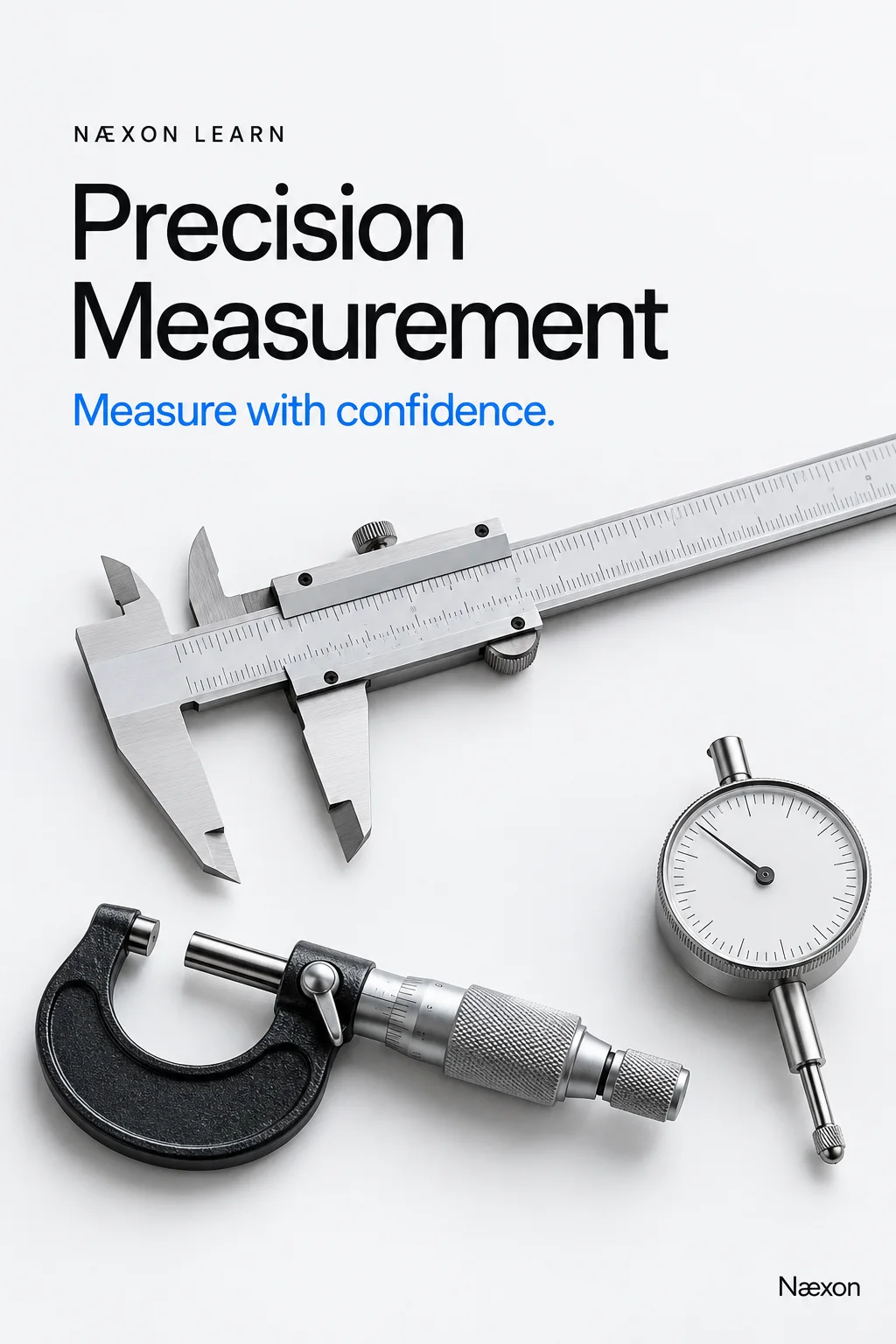
The tape measure is one of the simplest tools in the bag and one of the most frequently used.
Boilermakers constantly verify dimensions.
That might mean measuring a vessel opening, locating an attachment, checking bolt spacing, laying out plate, measuring exchanger components or confirming dimensions before fabrication.
A 25-foot tape works well for everyday personal use, while longer tapes may be required for larger equipment.
The important part is understanding your reference.
On large vessels and equipment, measuring from the wrong point can create a significant error.
Field Rule
Know exactly where the dimension starts and finishes before trusting the number.
2. Combination Square
A combination square provides a reliable 90-degree reference for fabrication and layout.
Boilermakers regularly work with plate, structural attachments, brackets, supports and equipment components where accurate layout matters.
During refinery maintenance, crews may also fabricate temporary components or modify existing equipment in the field.
The square gives you a repeatable reference instead of relying on visual judgment.
Even on massive equipment, small layout errors can become large problems once fabrication begins.
Field Rule
Large equipment doesn’t make small measurement errors disappear.
3. Four-Pound Hammer
There aren’t many refinery boilermaker tool bags without a hammer.
A four-pound hammer provides enough force for many everyday alignment and positioning tasks without immediately jumping to heavier striking tools.
It may be used when working with pins, wedges and components during controlled alignment.
But knowing when not to swing it is equally important.
Industrial equipment contains machined surfaces, gasket seating areas, threads and components that can easily be damaged by uncontrolled striking.
A hammer should solve an alignment problem—not create another one.
Field Rule
Before hitting something harder, understand why it isn’t moving.
4. Bull Pin
The bull pin is one of the tools most closely associated with heavy industrial assembly.
Its tapered shape helps bring holes into alignment so bolts or other fasteners can be installed.
This becomes particularly useful around structural connections, heavy flanges and equipment components.
The taper allows controlled movement as the pin is driven into misaligned holes.
But there is a limit.
If components require extreme force to align, the problem may not be something a larger hammer should solve.
Check positioning, rigging, support and orientation first.
Field Rule
Use the pin to finish alignment—not hide major misalignment.
5. Drift Pin
A drift pin performs a similar alignment role but can be useful for different connection sizes and situations.
Boilermakers frequently carry multiple pins because heavy industrial equipment rarely presents the same alignment problem twice.
During equipment assembly, a drift can help bring holes into position while another crew member installs bolts.
The important thing is controlling the component.
Never forget that alignment work can involve stored mechanical energy.
When a pin releases, the equipment may move.
Field Rule
Keep your hands and body out of the path the component could take if the pin suddenly releases.
6. Spud Wrench
The spud wrench combines a wrench on one end with a tapered alignment point on the other.
That combination makes it extremely useful around structural connections and heavy industrial assembly.
The tapered end can help align bolt holes while the wrench end handles fasteners.
It’s particularly valuable when boilermakers are working around platforms, structural attachments, vessel components and miscellaneous steel.
Like every alignment tool, it needs to be used intelligently.
If a connection is significantly out of position, determine why before forcing it together.
Field Rule
Alignment tools help components meet where they’re supposed to meet. They shouldn’t be used to force bad fabrication into looking correct.
7. Adjustable Wrench
Refinery equipment contains countless fasteners, small fittings and miscellaneous components.
A good adjustable wrench gives the boilermaker a versatile tool for everyday work where carrying an entire wrench set isn’t practical.
It is useful for smaller hardware and general adjustments.
However, large refinery bolting is another matter.
Pressure-containing flanges and equipment connections may require specific bolting procedures, calibrated torque equipment, hydraulic tensioning or other controlled methods.
An adjustable wrench isn’t a substitute for the correct bolting equipment.
Field Rule
Use the adjustable wrench for general work—not as a universal solution for refinery bolting.
8. Torpedo Level
Boilermakers work with more than round vessels.
Platforms, supports, attachments, structural components, piping connections and equipment modifications all require orientation checks.
A compact torpedo level provides quick level and plumb references without taking much room in the tool bag.
Magnetic models can be especially convenient on carbon-steel equipment.
As with a pipefitter’s level, accuracy needs to be verified occasionally.
Tools get dropped.
Especially on turnaround jobs.
Field Rule
A level that fell three stories doesn’t automatically become accurate again because the glass didn’t break.
9. Soapstone and Holder
Boilermaker fabrication requires marking.
Cut locations.
Attachment locations.
Reference lines.
Bolt patterns.
Repair boundaries.
Orientation marks.
Soapstone remains one of the easiest ways to put those references directly onto steel.
A holder keeps it protected and provides better control when wearing gloves.
Keep marks clean and understandable.
On large equipment, several crafts may work in the same area. Nobody should have to guess which line represents the actual cut.
Field Rule
A good layout mark tells the next person exactly what you intended.
10. Inspection Flashlight
A flashlight might not seem like a traditional boilermaker tool until you work inside refinery equipment.
Then it becomes essential.
Vessels, towers, drums, exchanger channels, furnaces and other equipment contain areas where normal jobsite lighting cannot provide a clear view.
A compact inspection light helps examine surfaces, bolt holes, gasket areas, internal components and difficult-to-see spaces.
It can also help identify conditions before work begins.
In refinery maintenance, seeing what you’re about to touch matters.
Field Rule
Never reach somewhere you haven’t looked first.
Breaking Equipment Open Is Different
Refinery boilermaker work frequently begins where normal mechanical work ends.
Opening equipment.
A vessel or exchanger may appear completely inactive from the outside while still containing residual pressure, temperature, hydrocarbons, chemicals or other hazardous material.
That is why line breaking and equipment opening require strict procedures.
Before removing a manway cover, exchanger channel head or other pressure boundary, the equipment must be properly isolated, depressured, drained and prepared according to facility requirements.
The fact that somebody removed several bolts doesn’t prove the equipment is safe.
Neither does a zero reading on one gauge.
The people performing the work need to understand the approved isolation and opening procedure.
Stored Energy Doesn’t Always Look Dangerous
Heavy equipment can store energy mechanically too.
Consider an exchanger channel head.
The bolts may be removed, but the component still has weight.
Rigging may be supporting it.
Gasket adhesion may temporarily hold it in place.
A slight movement could suddenly release that tension.
The same principle applies to blinds, covers, internals and structural components.
Before driving a pin, removing a bolt or breaking something loose, ask:
What happens when this moves?
Then make sure you’re not standing there.
Exchanger Work
Heat exchangers are one of the most common pieces of refinery equipment boilermakers encounter.
Turnaround work can involve removing channel heads, bonnets and covers; opening floating heads; pulling bundles; cleaning components; performing repairs; replacing gaskets; and reassembling equipment.
A large exchanger bundle can weigh many tons.
Removing one requires coordination between boilermakers, riggers, crane operators, operators, inspectors and other personnel.
Alignment becomes particularly important during reassembly.
Forcing a component into position can damage gasket surfaces, threads or equipment.
Sometimes the correct solution isn’t a bigger hammer.
It’s repositioning the load.
Vessel Entry
Boilermakers may also work inside towers, drums and other process vessels.
Once inside, the job changes.
Access is restricted.
Lighting becomes more important.
Communication matters.
Tools need to be controlled.
Ventilation and atmospheric conditions need to remain acceptable.
And the worker needs to understand that confined-space requirements are there because conditions inside industrial equipment can change rapidly.
Never treat vessel entry like walking into another room.
It isn’t.
Protect the Gasket Surface
One expensive mistake during refinery equipment maintenance is damaging a machined gasket seating surface.
These surfaces are designed to help establish the pressure boundary when the equipment is reassembled.
Dragging tools across them, striking them unnecessarily or allowing heavy components to contact them can create damage that requires repair.
Experienced boilermakers pay attention to those surfaces throughout disassembly and reassembly.
A channel head might weigh thousands of pounds.
The gasket surface can still be damaged by one careless movement.
The Hammer Isn’t Always the Answer
Boilermakers have a reputation for hammers.
Some of it is deserved.
But experienced boilermakers know that force should be controlled.
When something refuses to move, determine why.
Is the component still bolted?
Is there another attachment?
Is the load bound?
Is the rigging pulling in the wrong direction?
Is there residual pressure?
Is the component cocked?
Is corrosion holding it?
Understanding the resistance is more important than simply increasing the force.
Sometimes the smartest thing you can do with a hammer is leave it on the ground.
Work With the Rigger
Refinery boilermakers and riggers frequently work side by side.
A boilermaker may understand exactly how an exchanger head needs to move.
The rigger understands how to control that movement safely.
Those two pieces of knowledge need to work together.
Before moving heavy equipment, everyone involved should understand the intended direction of travel, rigging arrangement, pinch points and final position.
Good communication during a heavy equipment move isn’t optional.
Once thousands of pounds start moving, there may be very little time to correct a misunderstanding.
Field Rules
- Verify dimensions from known references.
- Protect machined gasket surfaces.
- Understand equipment isolation before breaking anything open.
- Treat every heavy component as a potential stored-energy hazard.
- Stay clear of pinch points during alignment.
- Never place yourself in the path of a component that could suddenly move.
- Inspect rigging and understand the intended movement before starting.
- Don’t use excessive force to hide major misalignment.
- Control tools and materials during vessel entry.
- When something doesn’t move as expected, determine why before hitting it harder.
Knowledge Check
1. What is the primary purpose of a bull pin?
To help bring misaligned holes into position during heavy industrial assembly.
2. Why can removing the final bolts from equipment be dangerous?
The component may still contain stored mechanical energy, weight, residual pressure or tension and could move unexpectedly.
3. Why should machined gasket surfaces be protected?
Damage can interfere with proper sealing when the equipment is reassembled.
4. Why is a flashlight particularly useful for refinery boilermakers?
They frequently work inside or around vessels, exchangers and other equipment with limited visibility.
5. What should you determine before striking a stuck component harder?
Why the component isn’t moving.
6. Who controls the movement when boilermakers are working with a rigged heavy component?
The work requires coordinated communication between the responsible rigging personnel, equipment operator and craft workers according to the lift plan and site procedures.
Practical Exercise
Imagine you’re preparing to remove the channel head from a refinery heat exchanger.
Don’t start with the bolts.
Start by identifying everything that could affect the job.
Confirm the equipment identification and work scope.
Review the required isolation and equipment-opening procedures.
Determine the approximate weight of the channel head.
Identify the lifting points and planned rigging arrangement.
Look for piping, platforms and structures that could interfere with movement.
Determine where workers could become trapped if the head moves unexpectedly.
Identify the machined gasket surface that must be protected.
Determine where the channel head will be placed after removal.
Then ask one final question:
What happens when the component actually breaks free?
If everyone involved can answer that question before the first major movement occurs, the crew is thinking beyond simply removing bolts.
They’re thinking like refinery boilermakers.
NÆXON — Built for the trades that build America.