
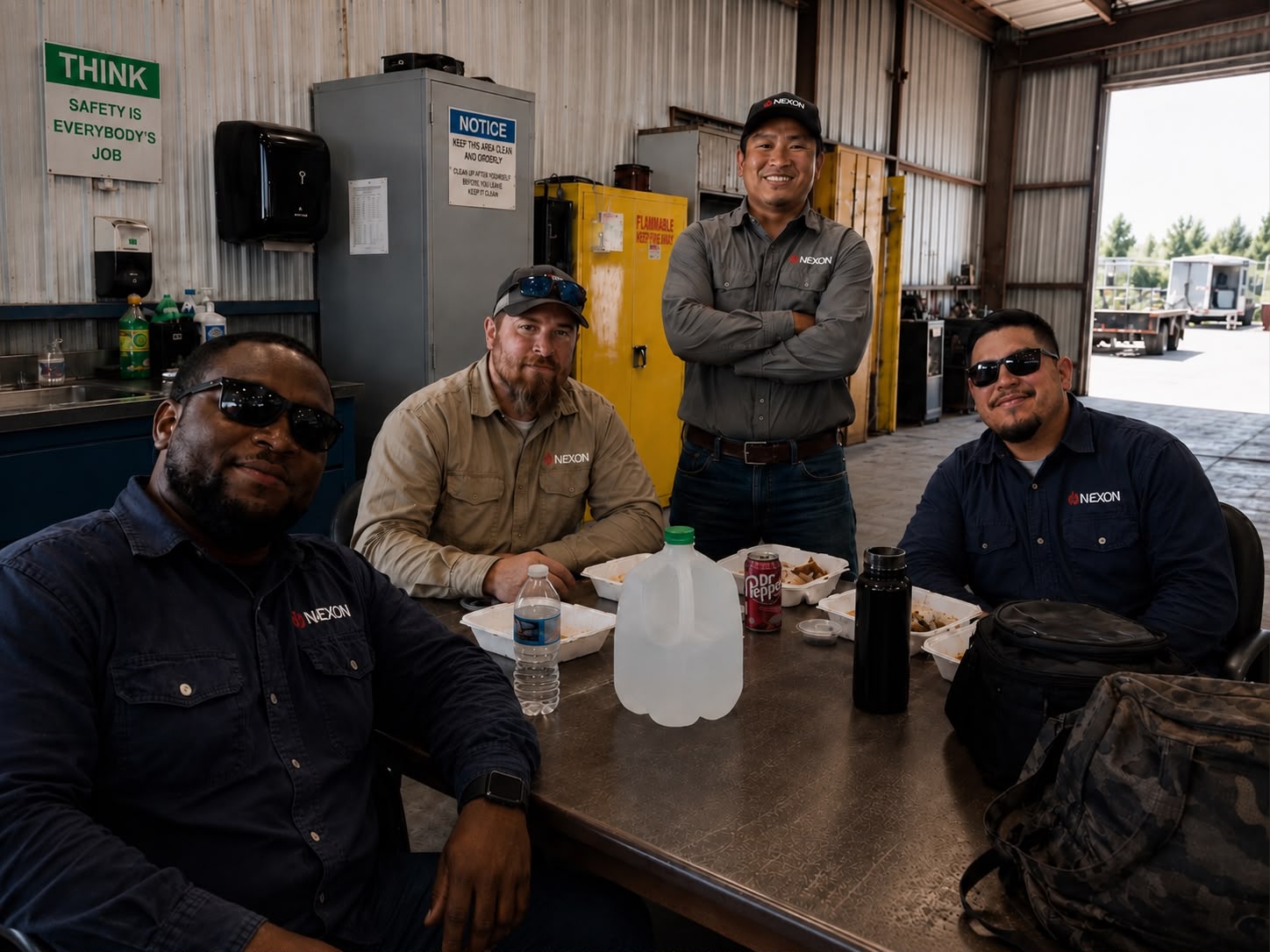
For many industrial workers, a flame-resistant (FR) shirt is worn more often than any other piece of equipment. It goes on before the hard hat, before the gloves, and before stepping into one of the most demanding work environments in the world.
Yet many workers still choose FR shirts based solely on price.
That can be an expensive mistake.
Your shirt is your first layer of protection against flash fire, arc flash, and thermal exposure. But it’s also responsible for keeping you comfortable during 10 to 16-hour shifts, allowing freedom of movement while climbing structures, welding overhead, working inside vessels, or tightening bolts hundreds of feet in the air.
The right FR shirt doesn’t just protect you—it works with you.
This guide explains everything you should consider before buying your next flame-resistant shirt.
Start With the Hazards You Face
Different jobs expose workers to different risks.
Before shopping, identify what hazards you’ll encounter most frequently.
For example:
- Flash fire hazards
- Arc flash exposure
- Molten metal splash
- Sparks from grinding
- Welding slag
- Hot surfaces
- Chemical exposure
- Heat stress
- Abrasion from daily work
A refinery pipefitter may prioritize flash-fire protection.
An electrician may require higher arc ratings.
A welder may need additional protection against sparks and molten metal.
Your job determines the type of FR shirt you should wear.
Understand FR Safety Standards
One of the first things to check is certification.
A quality FR shirt should comply with recognized safety standards appropriate for your workplace.
Common standards include:
• NFPA 2112 – Protection against flash fire
• ASTM F1506 – Arc flash protection
• CAT (Category) Ratings for electrical work
• OSHA requirements when applicable
Never assume that every shirt labeled “FR” meets the same standards.
Always verify the garment’s certification label.
Choose the Right Fabric
Fabric is one of the biggest differences between inexpensive and premium FR shirts.
Different materials offer different benefits.
Cotton-Based FR Fabrics
Advantages:
- Comfortable
- Breathable
- Soft feel
- Good for hot weather
- Familiar workwear feel
Ideal for:
- Refinery workers
- Pipefitters
- Ironworkers
- Millwrights
- General construction
FR Cotton Blends
Blended fabrics often include:
- Nylon
- Polyester
- High-performance fibers
Advantages:
- Better durability
- Longer lifespan
- Less shrinking
- Improved mobility
- Better abrasion resistance
Ideal for workers who demand maximum durability.
Moisture-Wicking FR Fabrics
Many premium FR shirts now include advanced moisture management.
Benefits include:
- Pulls sweat away
- Dries faster
- Keeps workers cooler
- Reduces heat buildup
- More comfortable during summer shutdowns
These are excellent for refinery turnarounds and pipeline work.
Consider Shirt Weight
Heavier doesn’t always mean better.
FR shirts are available in different fabric weights.
Lightweight shirts:
- Better for hot climates
- Improved breathability
- Greater mobility
- Less fatigue
Midweight shirts:
- Versatile year-round
- Good durability
- Balanced comfort
Heavyweight shirts:
- Cold weather
- Added durability
- Increased insulation
Choosing the correct weight can significantly improve comfort during long shifts.
Fit Matters More Than Most Workers Think
A poorly fitting FR shirt creates unnecessary problems.
Too tight:
- Restricts movement
- Limits overhead work
- Causes fatigue
- Can increase heat buildup
Too loose:
- Snags easier
- Gets caught on equipment
- Less comfortable under harnesses
- Excess material becomes distracting
A properly fitted shirt allows full range of motion while maintaining professional appearance.
Mobility Is Critical
Industrial work rarely happens standing still.
Workers climb ladders.
Crawl through confined spaces.
Reach overhead.
Carry pipe.
Operate equipment.
Premium FR shirts often include:
- Action backs
- Gusseted sleeves
- Stretch panels
- Articulated shoulders
These features reduce fatigue during long workdays.
Breathability Improves Productivity
Workers often underestimate how much heat affects performance.
Heat stress contributes to:
- Fatigue
- Slower reaction time
- Reduced concentration
- Increased mistakes
Look for features like:
- Vented backs
- Moisture-wicking fabric
- Lightweight construction
- Breathable weave
Staying cooler often means staying safer.
Durability Saves Money
An inexpensive shirt that lasts six months may actually cost more than a premium shirt that lasts several years.
Look for:
- Triple-stitched seams
- Reinforced stress points
- Quality pearl snaps
- Heavy-duty buttons
- Strong collars
- Durable cuffs
Industrial clothing should be built for repeated washing and demanding environments.
Evaluate the Closure System
Many workers prefer pearl snap FR shirts.
Advantages include:
- Easy removal during emergencies
- Fast opening with gloves
- Traditional western appearance
- Comfortable fit
Others prefer button-front shirts.
Choose whichever style best fits your work environment and personal preference.
Pocket Design Matters
Workers use shirt pockets constantly.
Good pockets should accommodate:
- Pens
- Markers
- Inspection mirrors
- Small notebooks
- Safety glasses
- Flashlights
Secure closures help prevent losing tools while climbing.
Collar Construction
A strong collar helps maintain appearance while providing additional neck protection.
Look for:
- Reinforced stitching
- Structured collar
- Quality construction
- Durable fabric
Collars that collapse quickly often indicate lower overall quality.
Sleeve Design
Different trades require different sleeve features.
Long sleeves provide:
- Spark protection
- Sun protection
- Better flash-fire coverage
- Reduced abrasions
Adjustable cuffs help prevent sleeves from interfering with work.
Visibility Considerations
Some workplaces require:
- Hi-vis FR shirts
- Reflective striping
- ANSI-compliant garments
Always follow employer requirements.
Weather Conditions
Your climate should influence your decision.
Summer:
- Lightweight
- Breathable
- Moisture-wicking
Winter:
- Layer-friendly
- Midweight
- Compatible with FR outerwear
Never wear non-FR garments over FR clothing in hazardous environments.
Understand Arc Ratings
Workers exposed to electrical hazards should pay attention to Arc Thermal Performance Value (ATPV) or similar arc ratings.
Higher ratings generally indicate greater protection, but they may also come with increased fabric weight. Choose garments that meet the requirements of your specific job and employer rather than assuming a higher rating is always better.
Appearance Matters
Professional-looking workwear creates a positive impression.
Whether meeting inspectors, supervisors, customers, or clients, clean and well-fitting FR apparel reflects pride in your work.
Many workers now choose FR clothing that looks as good as it performs.
Washing and Maintenance
Always follow manufacturer care instructions.
Proper maintenance helps preserve:
- Flame-resistant properties
- Fabric integrity
- Color
- Fit
- Longevity
Avoid bleach, fabric softeners, or other products if the manufacturer advises against them, as they may affect garment performance or lifespan.
When Should You Replace an FR Shirt?
Replace shirts that have:
- Holes
- Torn seams
- Excessive wear
- Broken closures
- Severe contamination
- Damage that compromises protection
Inspect your workwear regularly.
Choosing the Right Shirt by Trade
Pipefitters
Best features:
- Durable cotton blend
- Pearl snaps
- Reinforced elbows
- Mobility
- Comfortable fit
Welders
Priorities:
- Spark resistance
- Durable construction
- Heavy-duty stitching
- Long sleeves
- High-quality closures
Electricians
Priorities:
- Appropriate arc rating
- Lightweight comfort
- Certified protection
- Breathability
Ironworkers
Need:
- Durability
- Mobility
- Reinforced seams
- Abrasion resistance
Millwrights
Look for:
- Flexible movement
- Comfortable fit
- Lightweight construction
- Long-lasting fabric
Oilfield Workers
Priorities:
- Flash-fire protection
- Breathability
- Moisture management
- Durability
- All-day comfort
Premium Doesn’t Mean Luxury—It Means Reliability
Many experienced tradesmen eventually realize that premium FR clothing is an investment rather than an expense.
Higher-quality shirts often offer:
- Longer service life
- Better comfort
- Improved durability
- Greater mobility
- Professional appearance
- More consistent performance after repeated washing
When you wear your FR shirt every workday, those benefits add up over time.
Final Thoughts
Choosing the right flame-resistant shirt involves more than selecting a size or color. The best shirt is one that matches your trade, protects against the hazards you face, fits comfortably, and holds up to the demands of daily work.
From fabric and certifications to mobility, durability, and breathability, every feature plays a role in helping you work safely and efficiently. Investing in quality FR apparel can improve comfort during long shifts, reduce distractions on the job, and provide confidence that your workwear is designed for the environment you face every day.
Whether you’re working in a refinery, power plant, fabrication shop, pipeline, manufacturing facility, or on a construction site, choosing the right flame-resistant shirt is an investment in both your safety and your long-term performance.
FAQs
1. What makes a shirt flame-resistant?
FR shirts are made from materials or treated fabrics designed to resist ignition and self-extinguish when the ignition source is removed.
2. Do all FR shirts meet the same safety standards?
No. Always verify that the shirt meets the certifications required for your workplace, such as NFPA 2112 or ASTM F1506 where applicable.
3. Should welders wear different FR shirts than electricians?
Often yes. Welders typically prioritize resistance to sparks and molten metal, while electricians need garments with appropriate arc ratings.
4. Is lightweight FR clothing safe?
Yes, provided it meets the required safety standards for the hazards present in your work environment.
5. How long do FR shirts last?
Lifespan depends on fabric quality, work conditions, laundering, and wear. Replace garments when they are damaged or no longer provide reliable protection.
6. Can I wear a non-FR jacket over my FR shirt?
In hazardous environments, follow your employer’s safety policies. Non-FR outerwear may not be appropriate where flame or arc hazards exist.
7. Do FR shirts shrink?
Some cotton-based garments can shrink if not laundered according to the manufacturer’s instructions.
8. Are pearl snap FR shirts better than button-front shirts?
It depends on your preference and work requirements. Many workers appreciate pearl snaps for convenience and quick removal.
9. Why is fit important in FR clothing?
A proper fit improves comfort, mobility, and reduces the risk of snagging or restricted movement.
10. What should I look for first when buying an FR shirt?
Start by ensuring it meets the safety standards required for your job, then evaluate fabric, comfort, durability, fit, and features that match your trade.
Leave a Reply