Every industrial site has two shifts before the shift. The first happens in the parking lot, where coffee becomes a food group and everybody performs the same pocket check: phone, keys, wallet, badge. The second happens at the gate.
The gate line is where a hundred private mornings become one crew. Night-shift workers are coming out. Day-shift workers are going in. Security is watching the reader. Somebody is already explaining that his badge worked yesterday. The rest of the line is silently calculating how many minutes remain before the toolbox talk.
No one writes the gate-line rules on a banner, but experienced workers know them. They are simple: arrive ready, respect the access process, and do not make your forgotten badge everybody else's emergency.
Have the badge ready before the reader
The badge reader is not the place to begin searching. If your credential is under a seat, behind three receipts, and inside the tiny zipper pocket nobody uses, the line has already learned too much about your organizational system.
Good gate-line manners start twenty steps earlier. Badge out. Glasses on if the site requires them at entry. Lunchbox closed. Phone put away. Whatever that facility asks for, have it ready before you reach the turnstile.
Different facilities use different credentials and access rules. At regulated maritime facilities, for example, a TWIC can establish a worker's eligibility for unescorted access, while the facility still decides who is admitted. In plain jobsite language: the card matters, and the gate process still matters. Follow the site's actual procedure instead of the shortcut somebody remembers from a different project.
One scan, one worker
A gate line is not a concert entrance. Do not crowd the worker ahead of you, reach around them to scan early, or follow them through because the arm stayed open half a second longer than expected. Give the reader time to respond and give security room to see what happened.
If the scan turns red, step where the site directs and let the line keep moving. The worker behind you cannot fix the database by staring harder. Security or the badging office can sort out an expired credential, wrong access level, or name mismatch. Your best contribution is accurate information and a little patience.
And never pass a badge backward. That is not helping a coworker; it creates a problem with two names attached to it.
The line notices how you start
Crew reputation is built in small moments. Showing up with everything ready says the same thing as a clean handoff: I thought about the next person. It is the gate-line version of giving the next shift a fair start.
The opposite is also true. If the same person blocks the reader every morning while finishing a text and locating a badge, the line remembers. No speech is required. Industrial crews can communicate an entire performance review with one raised eyebrow.
This does not mean rushing. Rushing is how cards get dropped, lunchbox lids pop open, and people walk into barriers that have been in the same place for six years. Ready is calm. Ready is predictable. Ready keeps the line moving without turning it into a race.
Help the new worker before the pinch point
The best time to help a first-day worker is before the queue narrows. Point out the correct entrance, where visitors report, which items the site expects at the gate, and whether a bag check or secondary screening line applies. Then let security provide the official answer when the question belongs to them.
That distinction matters. Friendly guidance makes a new hand feel welcome. Inventing access rules because they sound familiar creates confusion. The same crew habit that says make room at the lunch table also says make sure the new worker is standing in the right line before the horn.
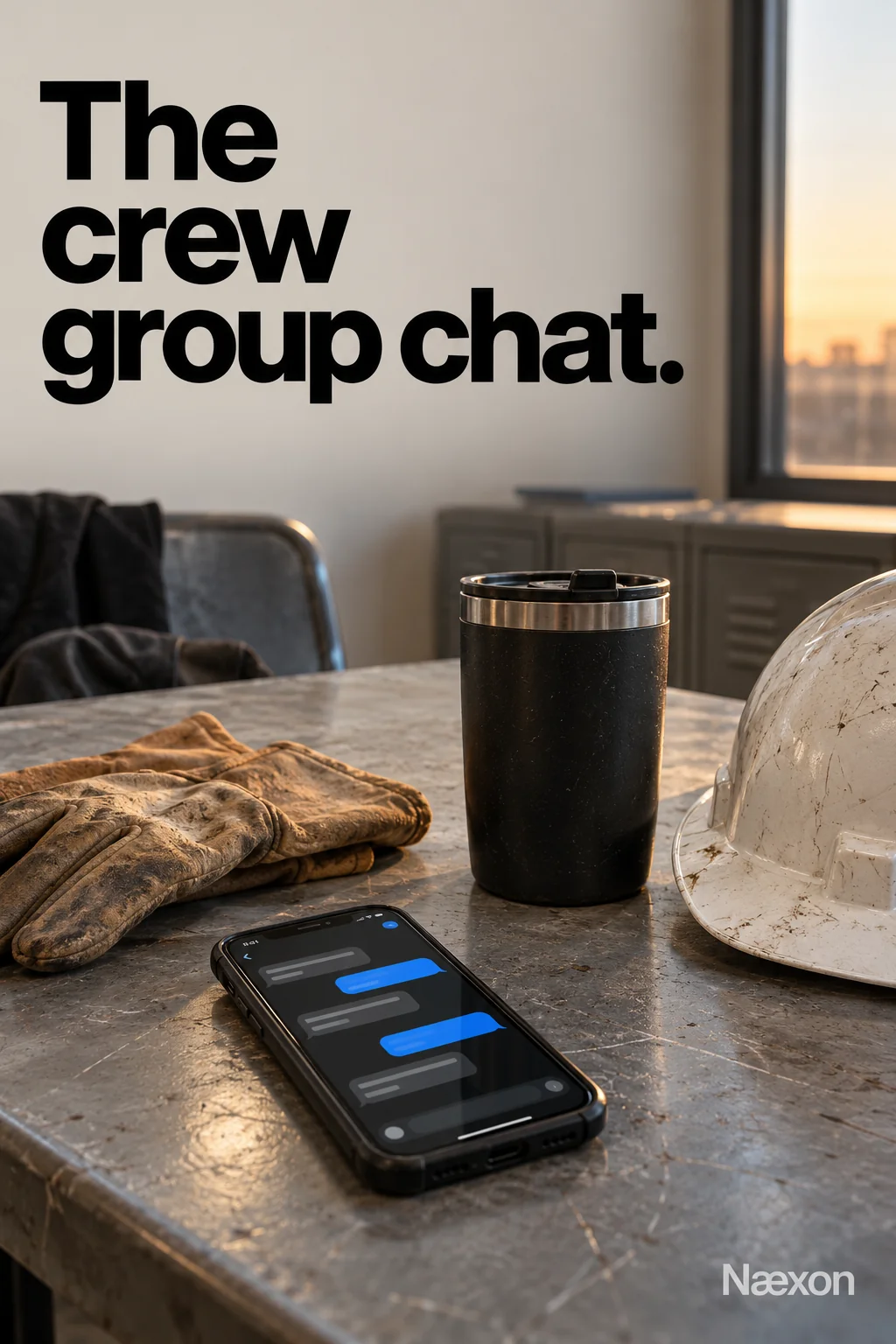
When access changes, use the official channel. A message in the crew group chat can warn people to look for an update, but it should not replace the facility's instructions. Gate rumors travel faster than a badge reader and are usually less accurate.
Coming out deserves space too
Morning traffic has two directions. The workers leaving may have just finished a long night, and they should not have to shoulder through an incoming crowd. Keep exit lanes, walkways, and turnstiles clear. Let the site control the flow when inbound and outbound groups meet.
A little awareness goes a long way: do not stop immediately past the gate to reorganize your bag, greet six friends in the narrowest lane, or hold an impromptu meeting where everyone else must funnel around you. Clear the access point, move to a safe gathering area, and then catch up.
The gate is where the crew begins
The gate line may only take a few minutes, but it reveals the habits that carry into the workday. Prepared people make room. Experienced people follow the current site rule instead of yesterday's shortcut. Good coworkers help without pretending to be security. Everybody understands that one small delay, multiplied by an entire shift, becomes a very long line.
By the time the crew reaches the toolbox talk, the first bit of teamwork has already happened. Badges were ready. The line moved. The new hand found the right entrance. Night shift got out without fighting the incoming tide.
That is not glamorous work. It will never make the project highlight reel. But it is how a jobsite starts on time, one green light at a time.