Guide: Mitered Pipe Angles: 90°, 45° and 22.5°
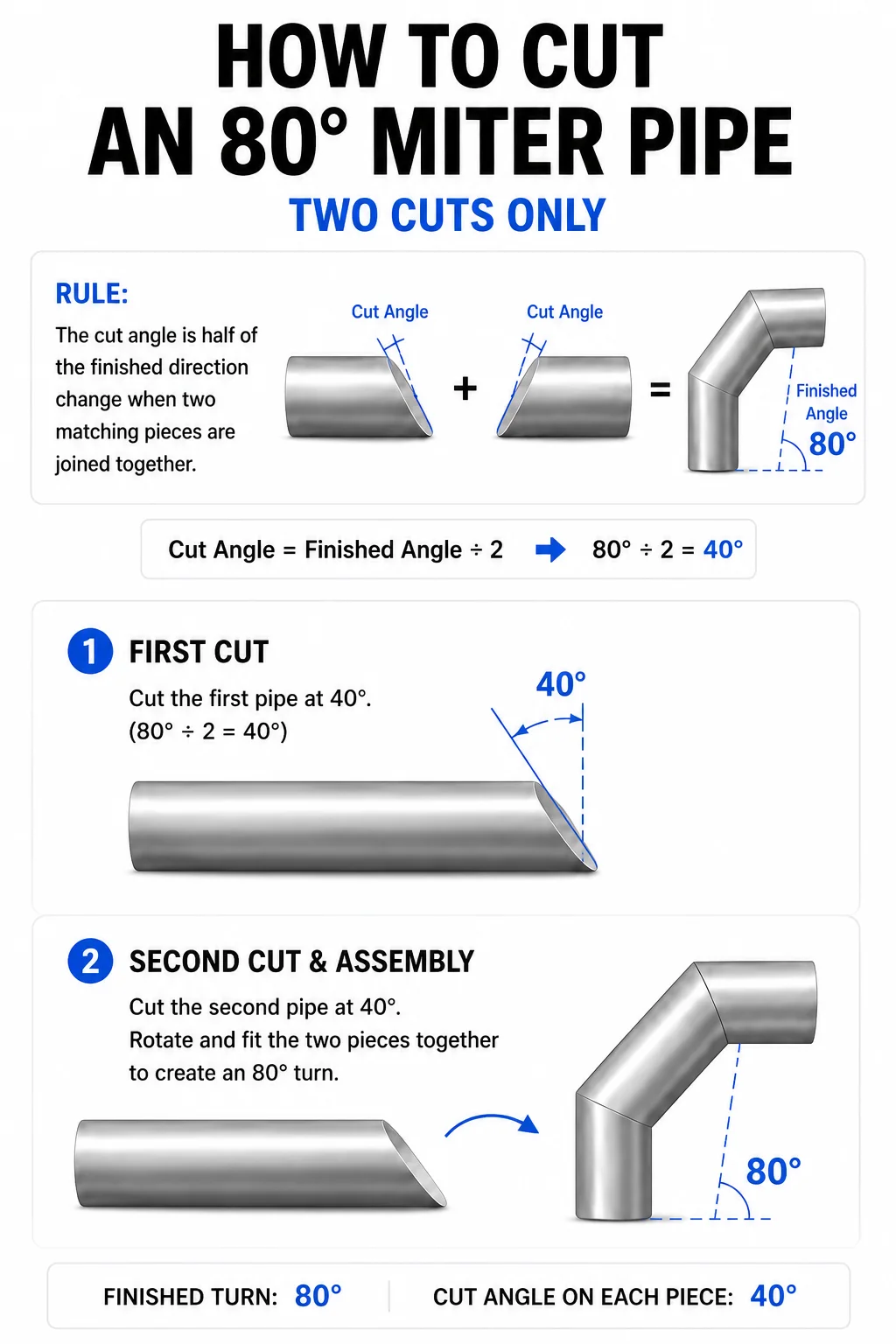
For two matching pipe pieces, each miter cut is half the finished turn. See examples for 90°, 45°, and 22.5° changes.
Read article →NÆXON INDUSTRIES
220 articles
For two matching pipe pieces, each miter cut is half the finished turn. See examples for 90°, 45°, and 22.5° changes.
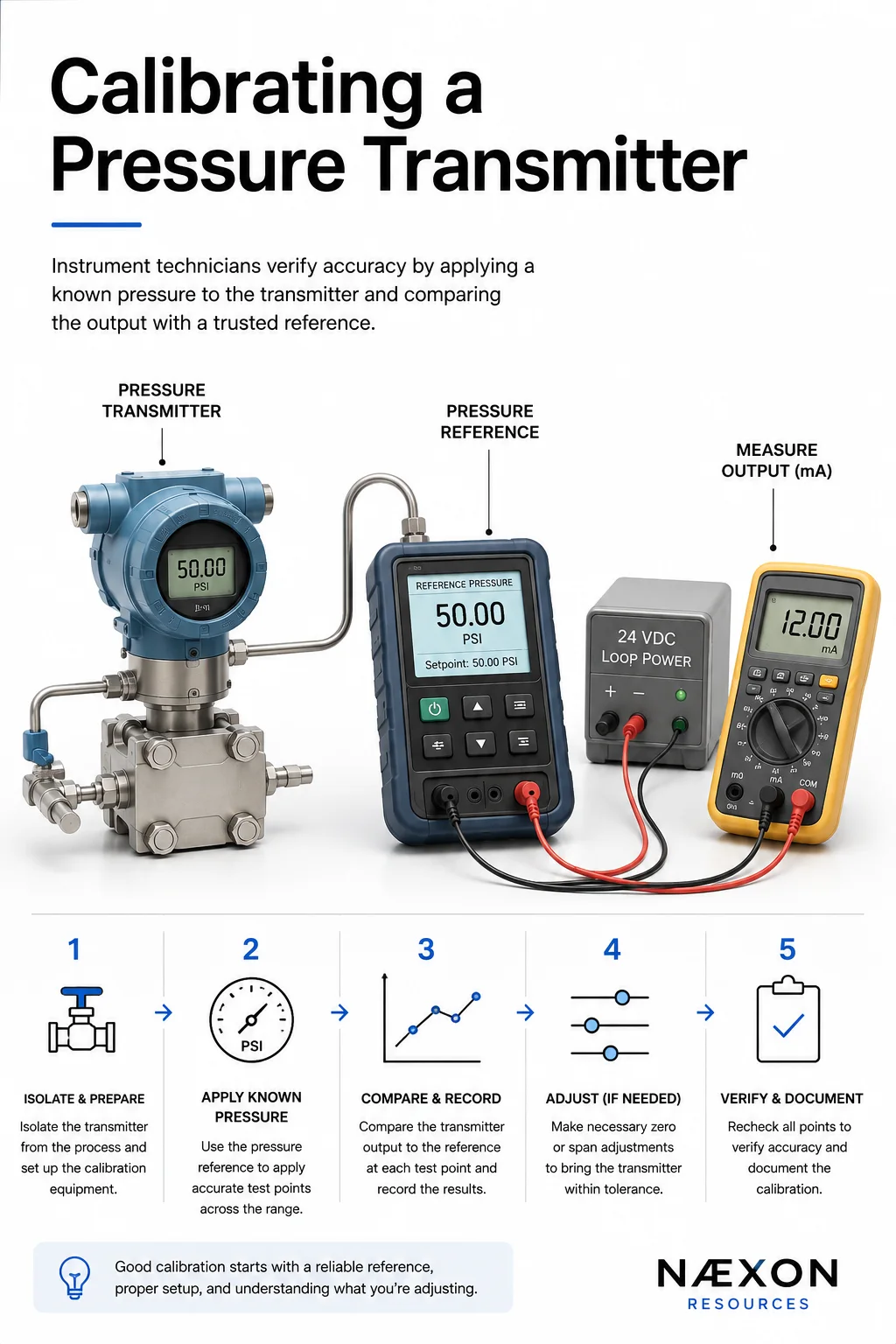
Read article →A practical overview of pressure transmitter calibration, including 4–20 mA output, applied pressure, accuracy checks, and documentation.
Read article →Decode welding rod labels such as E6010 and E7018 to understand strength, position, coating, and current characteristics.
Read article →Tube rolling mechanically expands a tube wall into a tube-sheet hole to create the specified interference and contact.
Read article →When a load leaves its supports, it may tilt as its center of gravity seeks a position beneath the hook.
Read article →A practical guide to 120V, 208V, 240V, 277V, and 480V power systems commonly encountered by industrial electricians.
Read article →A machine can be level yet have soft foot. Learn how uneven mounting-foot contact affects precision alignment.
Read article →A field guide to structural bolt head markings, including A325 and A490 grades, Type 1 and Type 3, nuts, and washers.
Read article →A check valve can point with the flow and still be installed incorrectly. Orientation depends on the internal mechanism and service.
Read article →A field guide to producing clean, square, concentric pipe bevels that match the approved drawing, specification, or WPS.
Read article →The socket-weld gap helps accommodate thermal expansion during welding. Follow the applicable drawing, procedure, and piping requirements.
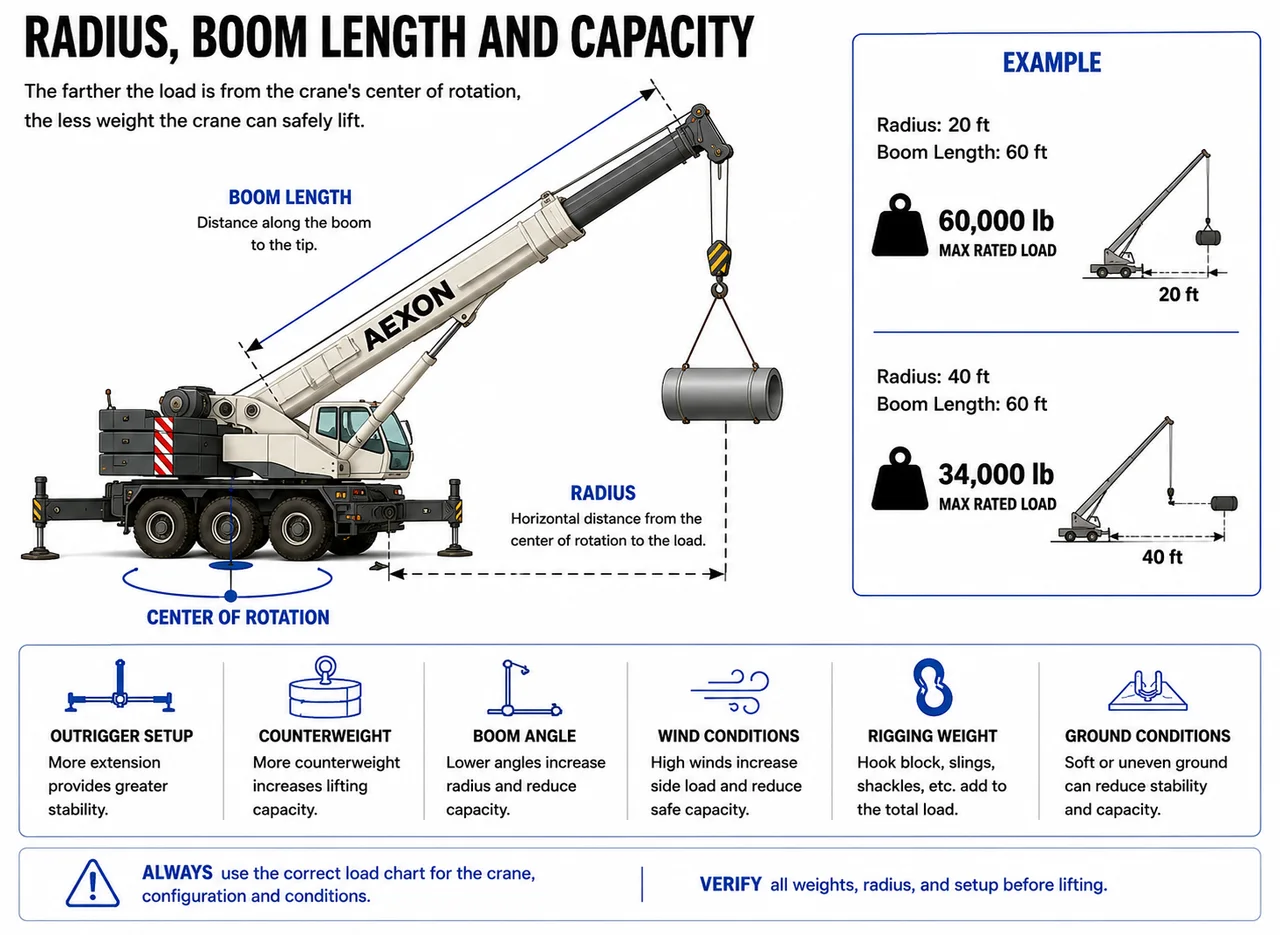
Read article →A crane has no single lifting capacity. The load chart gives rated capacity for the actual radius, boom, and approved configuration.
Read article →