The Live–Dead–Live Test Explained: Why Electricians Test the Meter Twice
A zero reading alone does not prove a circuit is de-energized. This guide explains the live–dead–live verification principle.
Read article →NÆXON INDUSTRIES
220 articles
A zero reading alone does not prove a circuit is de-energized. This guide explains the live–dead–live verification principle.
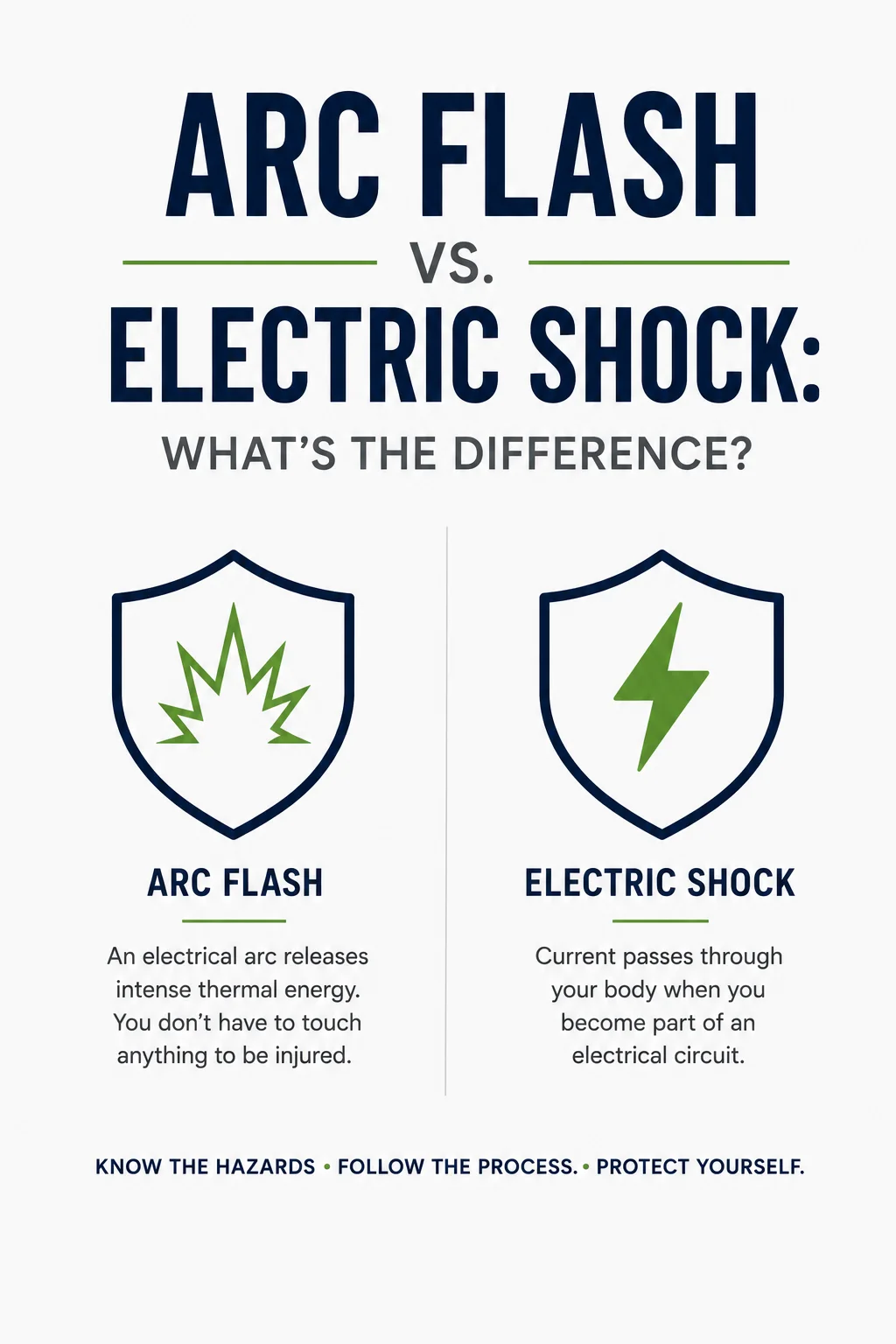
Read article →Electric shock involves current through the body; arc flash involves energy released by an electrical arc. Learn why the distinction matters.
Read article →Before electrical work, qualified workers must verify hazardous voltage is absent at the work point using the applicable procedure.
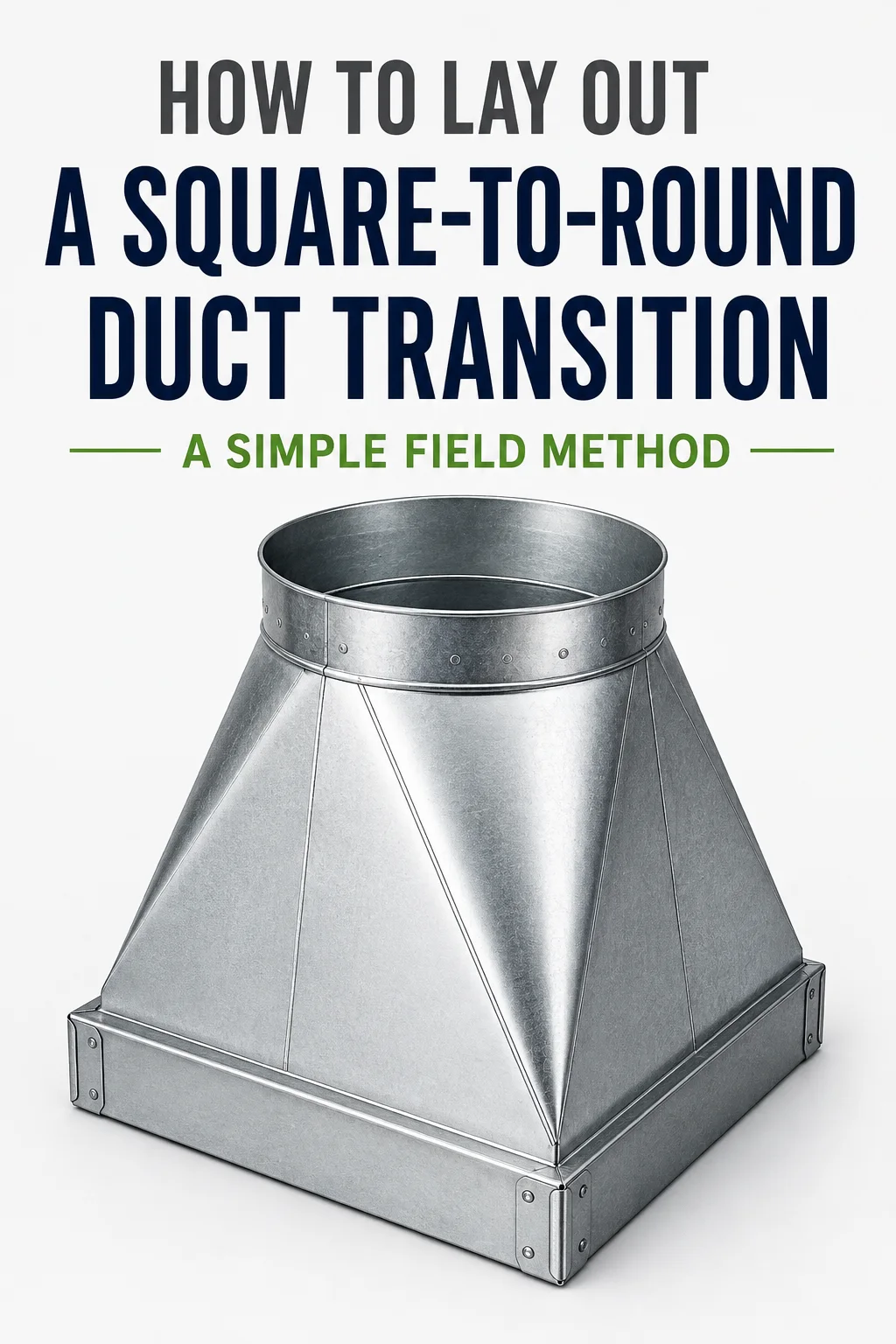
Read article →A simple guide to square-to-round transitions used in HVAC, ventilation, exhaust, and sheet-metal fabrication.
Read article →Understand bolt circle diameter, hole centers, and spacing when laying out or checking a circular flange bolt pattern.
Read article →A field guide to bolt-hole layout using reference lines and basic geometry for steel connections.
Read article →Use center-to-center dimensions and elbow takeoffs to recognize a too-short fit and evaluate the layout before fabrication.
Read article →MIG, TIG, and Stick each suit different welding conditions. Compare their practical strengths and common applications.
Read article →A guide to identifying W and S beams, channels, angles, and hollow structural sections in industrial steelwork.
Read article →A speed square can help fabricators and industrial tradespeople mark angles, check square, guide cuts, and handle quick layout tasks.
Read article →A detailed field guide to reading piping isometric drawings for fabrication and installation in industrial facilities.
Read article →A practical guide to laying out, cutting, and fitting pipe saddles at three common branch angles.
Read article →